Geopolitical Shakeup: Iran Confirms US Talks as Bitcoin Volatility Spikes

Global markets are on edge following confirmation from Iran's Foreign Minister, Araghchi, regarding ongoing negotiations with the United States. This diplomatic shift has sent shockwaves through the crypto markets, with Bitcoin experiencing massive price swings between the $64K and $82K levels as investors weigh the implications of heightened geopolitical risk.
Amidst a signed ceasefire MoU and fresh accusations of sanctions, the intersection of international diplomacy and digital assets has never been more volatile. The current market structure suggests that any breakthrough or escalation in US-Iran relations will serve as a primary catalyst for Bitcoin price action and broader crypto market sentiment.
Iran's Foreign Minister, Araghchi, has confirmed that negotiations with the United States are underway, a development that has the crypto community watching closely. As diplomatic channels open, Bitcoin has been caught in a high-volatility loop, trading aggressively between the $64,000 and $82,000 marks.
The situation is further complicated by a signed ceasefire MoU and recent accusations involving new sanctions. For crypto investors, the primary focus remains on how these geopolitical risks will influence market liquidity and whether Bitcoin will act as a hedge or a risk-on asset in the face of shifting global power dynamics.
This is a summarized and adapted version by Artificial Intelligence. To read the complete original story, visit the official source.
Read Full Article at Crypto BriefingSupport Jornal Bitcoin
Independent journalism, curated by AI, no clickbait. Keep the flame alive with any amount of BTC.
jonata@walletofsatoshi.comDaily Crypto Brief 📬
Subscribe to receive the curation of the most important Bitcoin and crypto news, summarized by AI. No spam.
Join more than 10,000 smart readers.
Related News
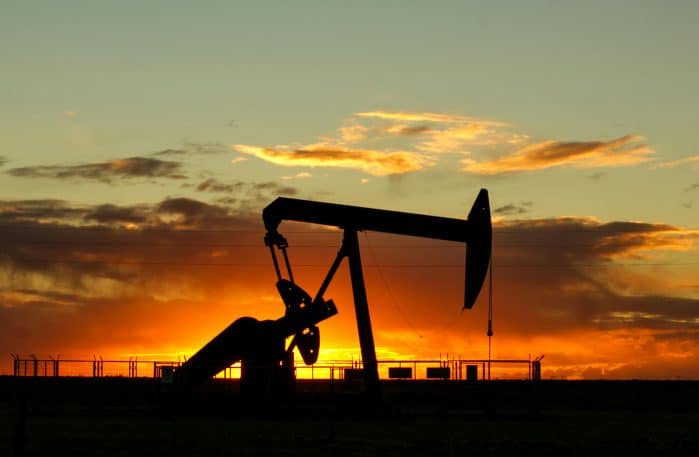
Commodity Surge: Soybeans and Corn Rally as US-Iran Tensions Drive Energy Costs Up
This surge highlights the critical link between geopolitical instability and commodity pricing. As crude oil approaches new all-time highs, the resulting spike in energy expenses is driving up production costs, signaling a period of heightened volatility for both agricultural and energy sectors.

World Cup Fever: Spain's Victory Triggers Surge in Crypto Fan Token Markets
As the fan token sector eyes a massive leap from its current $3.8B valuation to a projected $18.6B by 2034, Spain's win acts as a timely momentum builder. The industry is positioning itself for long-term expansion, leveraging high-stakes sports moments to drive mainstream crypto adoption.

Kiyosaki Defies Market Dip: Gold and Silver Set to 'Go to the Moon'
The recent surrender of January gains has rattled some traders, but the underlying thesis remains focused on long-term value. As investors navigate this volatility, the 'to the moon' forecast serves as a high-conviction signal that the fundamental demand for gold and silver remains unshaken by short-term corrections.

Allbridge Exploit: $2M Stolen as Hackers Bridge Funds from Solana to Ethereum
This breach underscores the ongoing security risks faced by cross-chain bridges and interoperability protocols. By swapping the stolen funds into ETH after the bridge transfer, the attacker aims to obfuscate the trail, highlighting a critical need for enhanced security measures within the decentralized finance landscape.
War Alert: Polymarket Odds for US-Iran Invasion Surge to 29.5% Amid Strike Reports
With reports suggesting US forces have conducted strikes for nine consecutive nights and explosions being heard in multiple Iranian cities, the risk of a full-scale conflict is mounting. This volatility in geopolitical forecasting highlights how real-world military escalations immediately impact prediction markets and global sentiment.
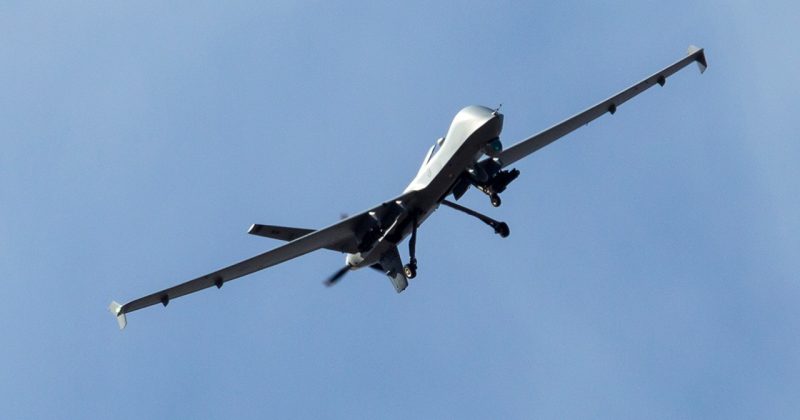
Geopolitical Flashpoint: Iran Downs US MQ-9 Reaper Drone in Kermanshah
As the situation evolves, data suggests a significant escalation in airspace restrictions, with projections showing a 33.5% closure by July 31 and a surge to 50.5% by August 31. This looming airspace lockdown could disrupt global logistics and intensify the uncertainty currently surrounding international security and digital asset stability.
