Iran Threatens to Control Strategic Strait of Hormuz, Directly Challenging US Naval Power

Iran has formally proposed taking control of the Strait of Hormuz, a critical maritime corridor through which one-third of the world's oil shipments pass, directly challenging US naval dominance in the region. This geopolitical maneuver has the potential to destabilize Persian Gulf security and dramatically impact global energy markets.
The Iranian proposal comes amid escalating tensions between Tehran and Washington, with the Iranian government seeking to strengthen its bargaining position in international negotiations. Control over the strait, where approximately 20 million barrels of oil pass daily, would allow Iran to exert considerable influence over global energy prices and supply chains, significantly reducing American influence in this vital maritime corridor.
This is a summarized and adapted version by Artificial Intelligence. To read the complete original story, visit the official source.
Read Full Article at Crypto BriefingSupport Jornal Bitcoin
Independent journalism, curated by AI, no clickbait. Keep the flame alive with any amount of BTC.
jonata@walletofsatoshi.comDaily Crypto Brief 📬
Subscribe to receive the curation of the most important Bitcoin and crypto news, summarized by AI. No spam.
Join more than 10,000 smart readers.
Related News
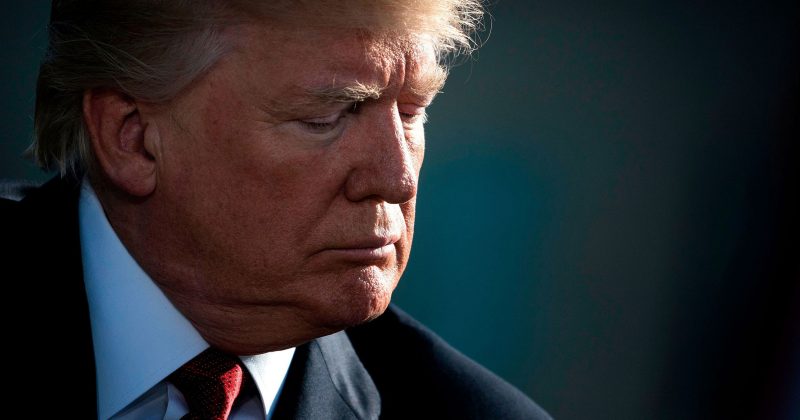
Trump's Iran conflict drags on with no end in sight, markets brace for uncertainty
This prolonged conflict has significant implications for the cryptocurrency market, with digital assets serving as a refuge for investors seeking protection against traditional volatility. Geopolitical uncertainty is increasing demand for decentralized assets, highlighting the role of Bitcoin and other cryptocurrencies as a hedge against economic and political instability worldwide.

DeepMind Loses Sole Non-US AI Executive as Hassabis Steps Back

Appeals Court Upholds SBF's 25-Year Prison Sentence: FTX Fraud Conviction Finalized
This judicial decision represents a watershed moment for cryptocurrency regulation and enforcement, establishing clear precedents for how financial fraud cases involving digital assets will be prosecuted. The judges' opinion emphasized that wire fraud statutes encompass temporary misappropriation of funds, clarifying that FTX customers were defrauded the moment their assets were transferred to Alameda Research, regardless of the perpetrator's intentions to repay them. The case continues to shape regulatory discussions and legal standards across the crypto ecosystem, potentially influencing future legislation and enforcement actions in the digital asset space.
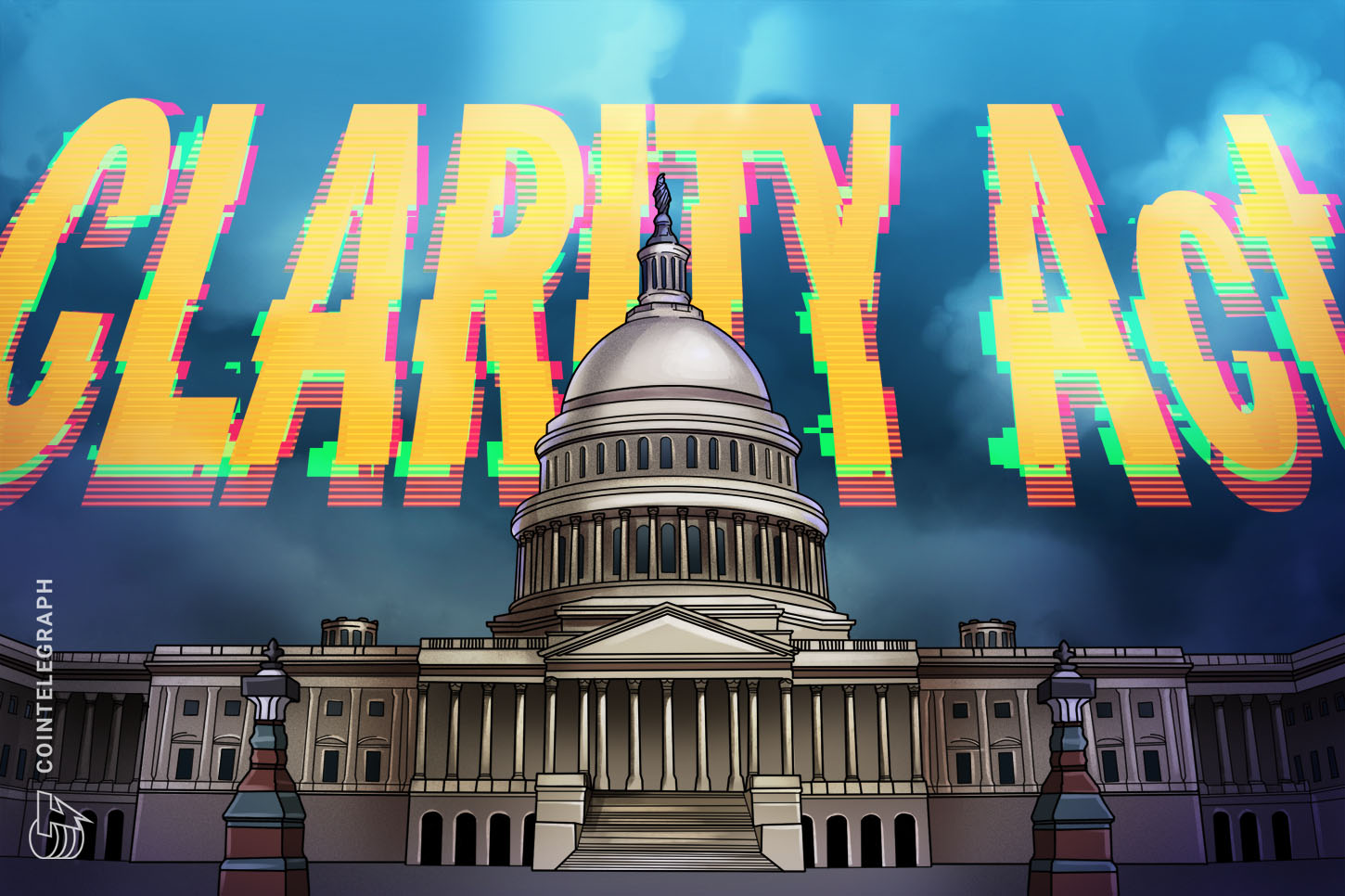
US Senate to vote on landmark CLARITY crypto bill this week: Tim Scott
This vote represents a pivotal moment for the cryptocurrency sector in the US, as the CLARITY Act seeks to establish a clear regulatory framework for digital assets. Passage of the legislation before the August recess would mark a significant advancement in cryptocurrency regulation in the United States, potentially influencing global policies and bringing greater legal certainty to investors and businesses in the sector.

China Warns US Against Tech Curbs Ahead of Xi Jinping Visit, Sparking Tensions That Shake Crypto Markets
The escalating US‑China tech tensions could disrupt global supply chains, hinder AI development, and send ripples through crypto markets as investors react to geopolitical uncertainty.