War Alert: Iran Threatens Gulf Airports and Ports Amid Escalating Tensions
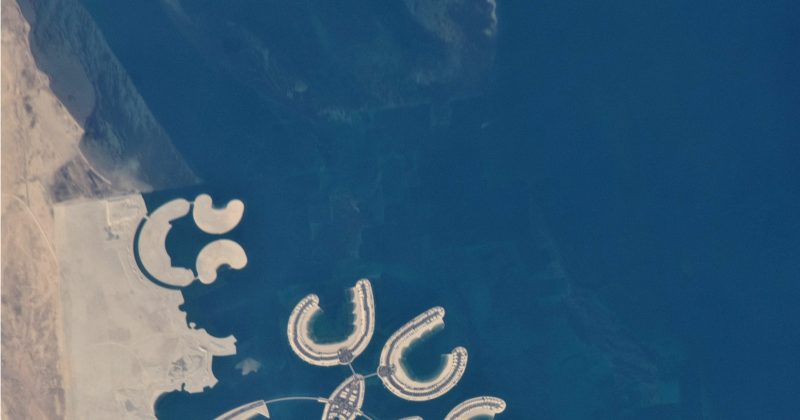
Geopolitical instability has surged as Iran issues direct threats against critical infrastructure, specifically targeting airports and ports within the Gulf region. This escalation of war tensions poses a significant threat to global supply chains and could trigger massive volatility across financial and crypto markets.
While current projections suggest that Strait of Hormuz traffic will normalize by August 31, the looming shadow of a 2026 conflict remains a primary concern for analysts. Investors are closely watching these developments to gauge how regional instability will influence risk appetite and market liquidity in the near term.
Iran has intensified its threats against airports and ports in the Gulf region, amid escalating tensions that suggest potential war scenarios as early as 2026. This development has sparked concerns regarding the safety of vital maritime and aerial corridors. Conversely, data suggests that traffic through the Strait of Hormuz is expected to return to normal levels by August 31, with a 9.5% operational status. The global community remains on edge, balancing the threat of conflict against the necessity of maintaining trade flows.
This is a summarized and adapted version by Artificial Intelligence. To read the complete original story, visit the official source.
Read Full Article at Crypto BriefingSupport Jornal Bitcoin
Independent journalism, curated by AI, no clickbait. Keep the flame alive with any amount of BTC.
jonata@walletofsatoshi.comDaily Crypto Brief 📬
Subscribe to receive the curation of the most important Bitcoin and crypto news, summarized by AI. No spam.
Join more than 10,000 smart readers.
Related News
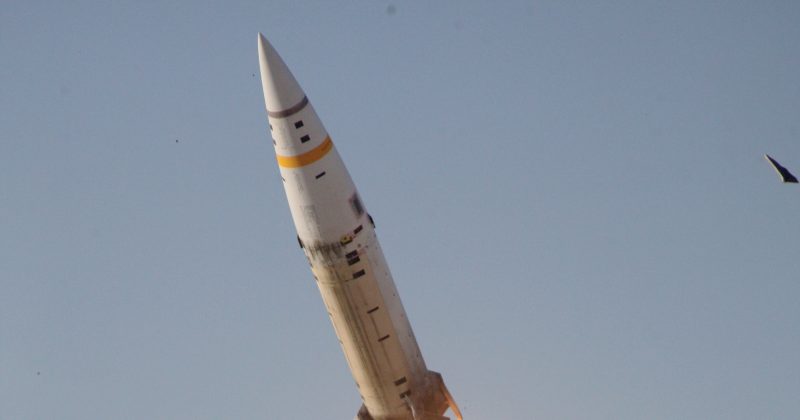
Maximum Escalation: Russia Launches Largest Ballistic Missile Wave Against Ukraine Since 2022
Analysts and predictive models are now closely monitoring the possibility of a direct NATO-Russia military clash, with a calculated 17.5% probability of such an event occurring by December 31, 2026. For the crypto sector, this surge in geopolitical volatility reinforces the role of Bitcoin as a hedge during times of systemic risk and uncertainty.
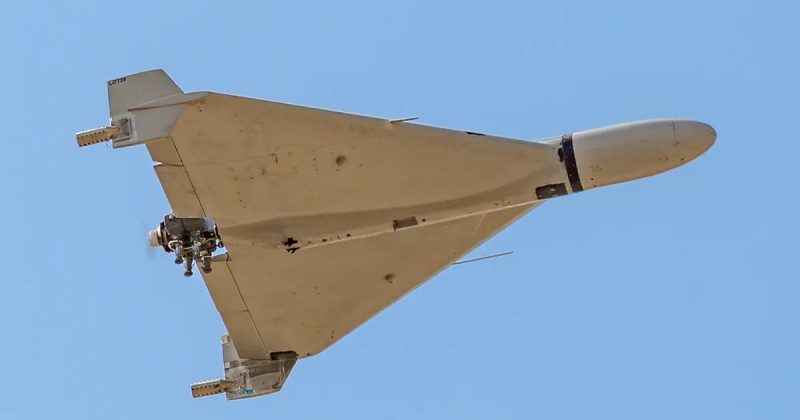
Iran’s Low-Cost Drones Pose Major Threat to US Military Systems Amid Rising Tensions
As tensions escalate, the potential for military action against Gulf states remains high, with recent data suggesting a 57% likelihood of conflict. The impact of these inexpensive yet effective drones could redefine regional stability and the future of aerial defense technology in high-conflict zones.

Trump Appeal Secures US Entry Waiver for Joan Capdevila Ahead of World Cup Final
The denial was originally triggered by travel history to Iran, highlighting the stringent security protocols currently governing US entry requirements. This resolution ensures that high-profile figures can attend major global events despite the friction caused by strict immigration and travel policies.
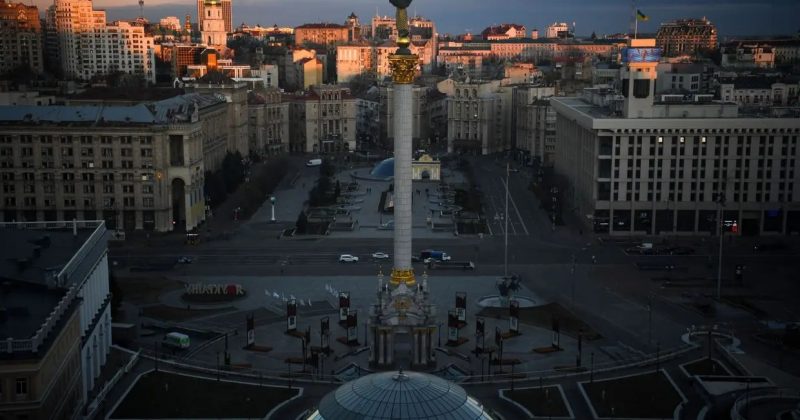
Russian Missile Strikes Hit Kyiv: Casualties Reported Amid Escalating Conflict
Beyond the immediate casualties, market sentiment analysis reveals a growing uncertainty regarding the territorial progression toward Sloviansk, with a 21% probability cited for a Russian entry by late 2026. Such prolonged instability continues to act as a macro catalyst, forcing investors to hedge against sudden geopolitical shocks.

99% Odds: Polymarket Predicts Hormuz Strait Tensions Will Not Normalize by July
This massive shift in sentiment underscores the growing fear of a prolonged disruption to global energy corridors. As military actions intensify against critical maritime infrastructure, the market is pricing in a reality where the Strait of Hormuz remains a volatile flashpoint, potentially impacting global trade and oil supply chains.
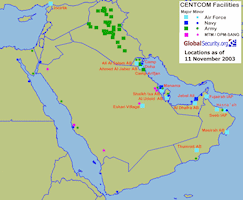
Geopolitical Flashpoint: US Completes Eighth Consecutive Night of Strikes Against Iran
Adding to the complexity, the IAEA is scheduled to conduct inspections of nuclear sites by December 31, heightening the stakes of the ongoing confrontation. The intersection of direct military strikes and nuclear oversight creates a high-stakes environment that could lead to significant volatility in the crypto markets and broader macro landscape.
