Iran, Oman on verge of deal to control Hormuz traffic and charge 'service fees'
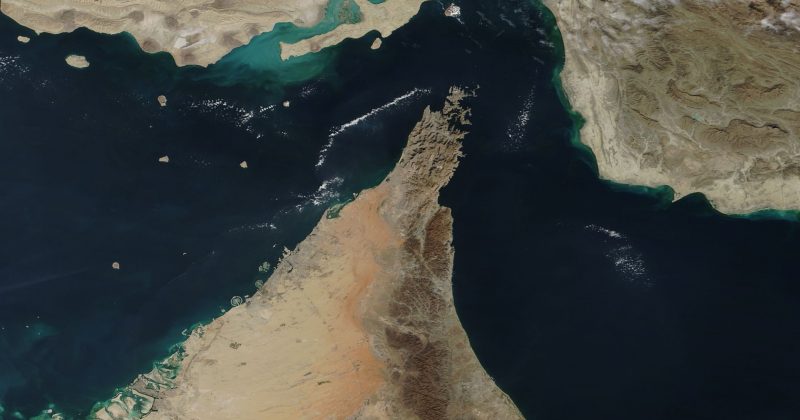
Iran and Oman are on the verge of a landmark agreement that would grant them control over maritime traffic in the strategically vital Strait of Hormuz, with plans to implement 'service fees' for vessels transiting through this critical global oil shipping chokepoint. This pact, which could reshape international shipping norms and economic dynamics in the region, represents a significant shift in the maritime power balance in the Persian Gulf. If implemented, the measure would directly impact global energy supply routes to markets including Europe and Asia, and could accelerate cryptocurrency adoption as an alternative for international transactions in response to potential disruptions in the traditional financial system.
This is a summarized and adapted version by Artificial Intelligence. To read the complete original story, visit the official source.
Read Full Article at Crypto BriefingSupport Jornal Bitcoin
Independent journalism, curated by AI, no clickbait. Keep the flame alive with any amount of BTC.
jonata@walletofsatoshi.comDaily Crypto Brief 📬
Subscribe to receive the curation of the most important Bitcoin and crypto news, summarized by AI. No spam.
Join more than 10,000 smart readers.
Related News
Audiera (BEAT) Plunges Again, Bitcoin (BTC) Rebounds Above $63K: Market Watch

Coldcard Hack Now at $116 Million as Fourth Wave Continues Drain
Trump Slams Exxon, Chevron for 'Too Much Profit'

US-Japan Yen Intervention Puts Bitcoin, Risk Assets on High Alert for Liquidity Flux
Market analysts suggest that these coordinated currency interventions could ultimately benefit Bitcoin and risk assets by increasing global liquidity. The move reflects growing concerns from central banks about excessive volatility and financial market stability. Cryptocurrency investors are closely watching future developments, as liquidity flux could both boost and destabilize the crypto market.
Bitcoin at $63,600 as rare US-Japan yen action tests carry-trade fears