Iran-linked Exchange Funneled $676M to Binance in Sanctions Evasion Scheme

An Iran-linked exchange allegedly funneled $676 million to Binance in a sophisticated sanctions evasion scheme, according to a Reuters investigation. This massive financial transfer raises serious questions about compliance and anti-money laundering controls at major cryptocurrency platforms. The sanctions evasion scheme complicates U.S.-Iran nuclear talks, potentially reducing the likelihood of reaching a deal. The discovery highlights the challenges faced by cryptocurrency exchanges in preventing illicit activities and may lead to increased regulatory scrutiny on the global crypto sector.
This is a summarized and adapted version by Artificial Intelligence. To read the complete original story, visit the official source.
Read Full Article at Crypto BriefingSupport Jornal Bitcoin
Independent journalism, curated by AI, no clickbait. Keep the flame alive with any amount of BTC.
jonata@walletofsatoshi.comDaily Crypto Brief 📬
Subscribe to receive the curation of the most important Bitcoin and crypto news, summarized by AI. No spam.
Join more than 10,000 smart readers.
Related News
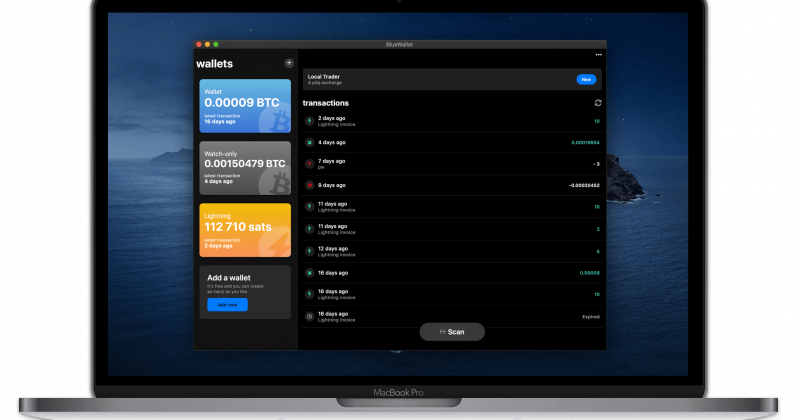
Blue Wallet Revolutionizes Bitcoin Security with Custom Entropy Feature: No Hardware Wallet Needed?

Michael Saylor Slams $5B Bitcoin Sale Report as 'Fake News'

Galaxy Research: 1,367 BTC Drained in Coldcard Wallet Attacks
The breach at Coldcard, one of the most respected hardware wallets in the market, raises urgent questions about the effectiveness of current security measures. Cryptocurrency investors and users are urged to review their digital protection strategies, considering additional solutions like multisig and hierarchical deterministic wallets. This incident could accelerate the adoption of more robust security protocols within the cryptocurrency ecosystem.
North Korean Hackers Steal Over $550M in First Half of 2026 Amid 212 Crypto Breaches
The wave of security breaches represents a significant increase compared to previous periods, leading to calls for stricter regulation and enhanced security measures. Experts warn that the trend of state-sponsored attacks poses an existential threat to the crypto industry, with hackers becoming increasingly specialized at exploiting vulnerabilities in DeFi protocols and centralized exchanges.

MicroStrategy Holds STRC Dividend Steady at 12%, Breaking with Tradition

Iran Rejects Diplomacy, Force May Be Needed: Ex-Clinton Adviser Penn
Geopolitical uncertainty typically drives demand for safe-haven assets like Bitcoin and gold as investors seek protection from volatility. Crypto market analysts are closely monitoring the situation, as any military escalation in the Gulf could fuel demand for cryptocurrencies as a tool to circumvent capital controls.
