Escalation Alert: Iran Launches Missiles at US HIMARS in Kuwait
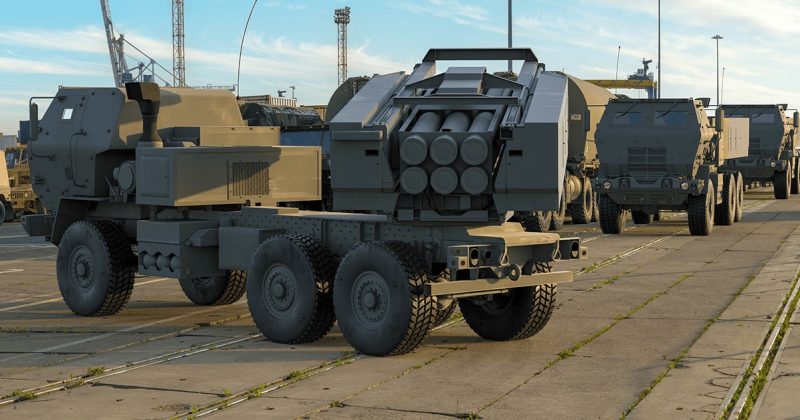
Global geopolitical tensions have surged following reports that Iran launched missile strikes targeting US HIMARS systems stationed in Kuwait. This direct confrontation marks a dangerous escalation in the ongoing regional conflict, placing US military assets in the crosshairs and heightening the immediate threat of a broader military engagement.
As the situation unfolds, market analysts and risk assessment models are closely monitoring the fallout, including speculative projections suggesting a 26.5% probability of a US invasion of Iran before 2027. The volatility triggered by these missile strikes could reshape international security dynamics and impact global economic stability.
Tensions have reached a breaking point as Iran launched missiles at US HIMARS systems located in Kuwait, signaling a significant escalation in the regional conflict. This direct strike on American military hardware intensifies the standoff between Washington and Tehran. Amidst the rising uncertainty, predictive models are highlighting a 26.5% chance of a US invasion of Iran occurring before 2027.
This is a summarized and adapted version by Artificial Intelligence. To read the complete original story, visit the official source.
Read Full Article at Crypto BriefingSupport Jornal Bitcoin
Independent journalism, curated by AI, no clickbait. Keep the flame alive with any amount of BTC.
jonata@walletofsatoshi.comDaily Crypto Brief 📬
Subscribe to receive the curation of the most important Bitcoin and crypto news, summarized by AI. No spam.
Join more than 10,000 smart readers.
Related News
Drone Warfare Escalation: Russian Attacks Surge in Eastern Ukraine
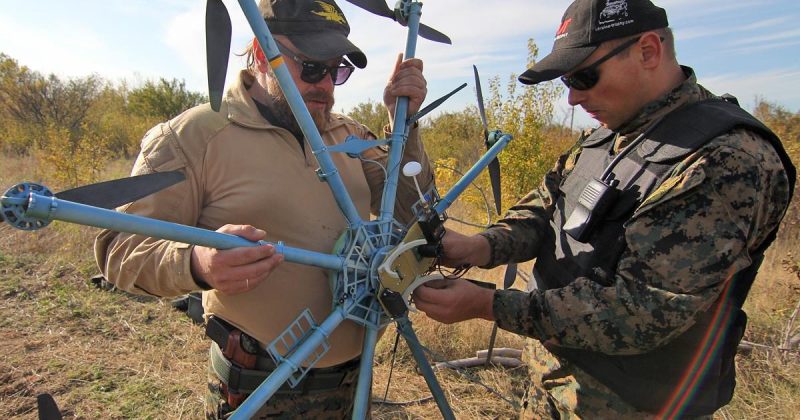
As the conflict evolves, strategic projections suggest a high-stakes timeline, with an 18% probability of Russian forces entering Sloviansk by December 31, 2026. This escalation of drone warfare and sustained military pressure continues to reshape the geopolitical landscape and the long-term outlook for regional stability.

South African Rand Surges as Dropping Oil Prices Fuel US-Iran Mediation Hopes
As diplomatic hopes influence global trade dynamics, the downward pressure on oil prices is reshaping investor sentiment toward risk assets. The market is closely watching whether this mediation can stabilize energy costs, potentially providing a long-term tailwind for the Rand and broader global economic stability.
Geopolitical Standoff: Iran Unlikely to Back Down Despite U.S. Military Pressure
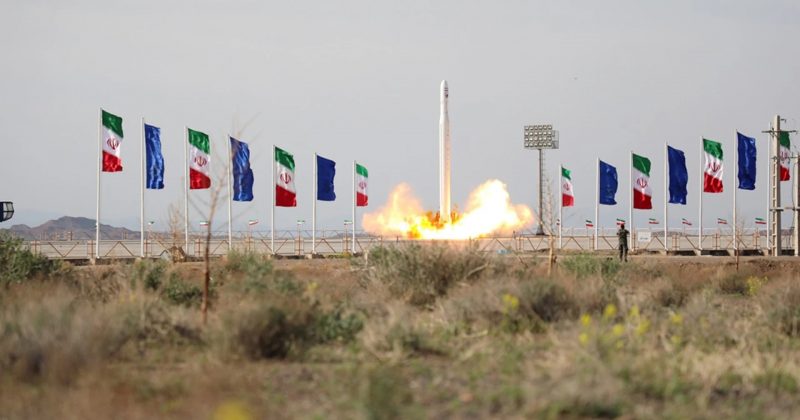
Looking ahead to 2026, potential deal frameworks include reconstruction funding and a uranium enrichment cap set at 32.5%. The persistence of this conflict between Iran and the U.S. continues to shape global risk assessments and long-term economic stability.

Institutional Surge: Bitcoin ETFs Hit Longest Inflow Streak Since May
This five-day winning streak has funneled approximately $727.3 million into Bitcoin ETFs, the longest run of consecutive inflows since the spring. This influx is critical for the market landscape, as it significantly narrows the year-to-date net outflows for US spot Bitcoin ETFs to below the $5 billion mark, showcasing renewed confidence from major players.
Wall Street on Chain: Base to Launch 1:1-Backed Tokenized U.S. Equities
Targeting a rollout by late 2026, this development marks a massive leap for the Real World Asset (RWA) sector. By bringing tokenized equities to a Layer 2 ecosystem, Base is positioning itself as a primary hub for institutional-grade liquidity and decentralized finance integration.

AI Gold Rush: US Business Formations Surge 45% Since ChatGPT Debut
Driven largely by the professional services sector, this surge is expected to push total new company creations to record-breaking levels. As AI tools become more accessible, the ripple effect is creating a continuous cycle of innovation and new market entries across the United States.
