War Alert: Iran Invasion Odds Surge to 29.5% on Polymarket Following US Strike Streak

Geopolitical tensions have reached a boiling point as U.S. forces executed their 12th consecutive night of strikes against Iranian targets. This sustained military pressure has shifted the narrative from a localized response to a prolonged campaign, fundamentally altering the risk landscape for global stability.
As a direct consequence of this escalation, the Polymarket prediction market has seen the odds of an Iran invasion climb to 29.5%. This surge in probability highlights how market participants are pricing in the heightened risk of a full-scale military confrontation, keeping the crypto and macro trading communities on high alert.
U.S. forces carried out a 12th straight night of strikes on Iran, extending what is being framed as a continuing campaign rather than a one-off action. This escalation has had an immediate impact on sentiment within prediction markets. According to Polymarket, the odds of an Iran invasion have risen to 29.5%, reflecting the growing uncertainty and the potential for a significant expansion of the conflict in the Middle East.
This is a summarized and adapted version by Artificial Intelligence. To read the complete original story, visit the official source.
Read Full Article at Blockchain.newsSupport Jornal Bitcoin
Independent journalism, curated by AI, no clickbait. Keep the flame alive with any amount of BTC.
jonata@walletofsatoshi.comDaily Crypto Brief 📬
Subscribe to receive the curation of the most important Bitcoin and crypto news, summarized by AI. No spam.
Join more than 10,000 smart readers.
Related News

Japan's Stablecoin Crisis? Startale CEO Warns of Liquidity Silos and Fragmentation
To combat this, industry leaders are advocating for regulated access to open infrastructure, leveraging interoperable layers like Soneium to bridge the gap between regulated assets and public Web3 rails. Establishing this connectivity is vital to ensure that Japan's institutional support translates into a unified and scalable digital economy.

Senate Gridlock Dims Clarity Act 2026 Outlook as Polymarket Odds Plummet
This legislative slowdown carries heavy implications for market stability and institutional adoption. As the Senate remains deadlocked, the lack of a clear regulatory framework continues to create a vacuum of uncertainty, potentially delaying the integration of crypto assets into the broader financial system.
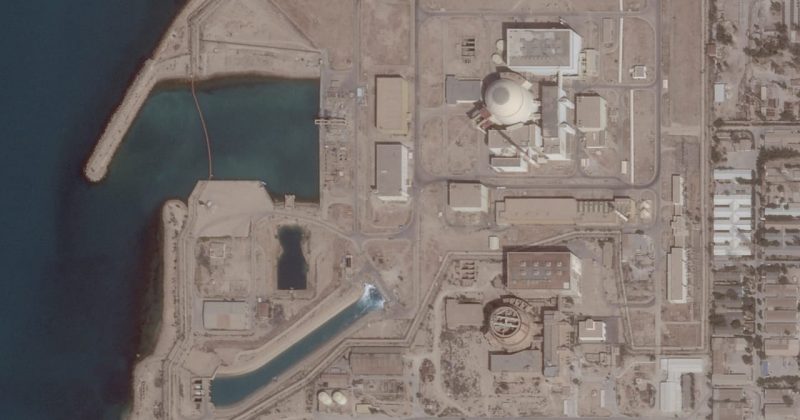
Geopolitical Escalation: US Missile Strike Damages Equipment in Iran’s Bushehr
Compounding the situation, there is a significant 56.5% probability of a full airspace closure by August 31. Such a massive restriction on airspace could trigger immediate volatility in the crypto market as traders react to the heightened threat of conflict and potential disruptions in international logistics.
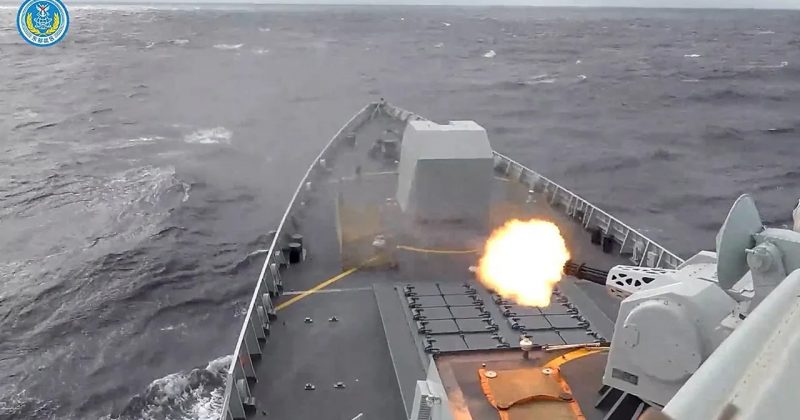
Geopolitical Alert: China Launches Live-Fire Military Drills Near Taiwan Amid Rising Tensions
Adding to the gravity of the situation, predictive models suggest an 11.5% probability of an invasion occurring by December 31, 2027. As these military drills intensify, the intersection of geopolitical risk and global financial markets becomes a focal point for those tracking systemic volatility and macro shifts.
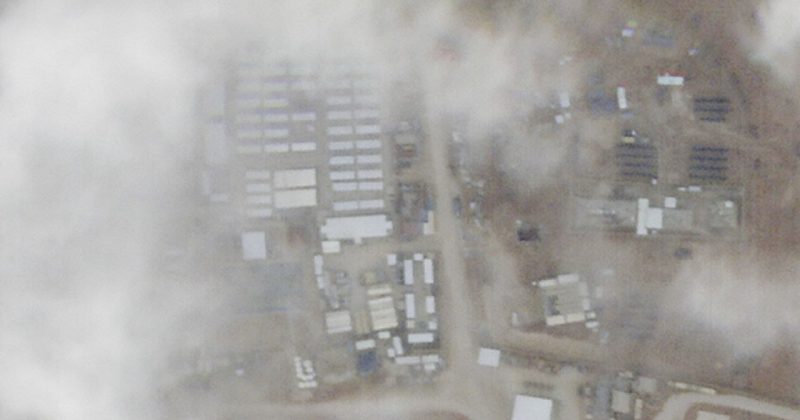
Middle East Escalation: Iran Targets U.S. Missile Defenses in Jordan
As the situation unfolds, the threat landscape is further complicated by the potential for Houthi military action against Israel, which analysts suggest has a measurable probability of occurring by late July. This convergence of threats creates a high-volatility environment that could trigger significant shifts in global energy markets and investor sentiment.

US Air Strike Hits Iran: Geopolitical Tensions Rise Amid Airspace Closure Threats
Adding to the volatility, there is a 42.5% probability of a full airspace closure by July 31. As investors navigate these shifting dynamics, the intersection of military action in the Middle East and potential disruptions to global logistics remains a critical factor for monitoring market stability and safe-haven asset flows.
