Iran issues demands for US in Strait of Hormuz talks, complicating negotiations
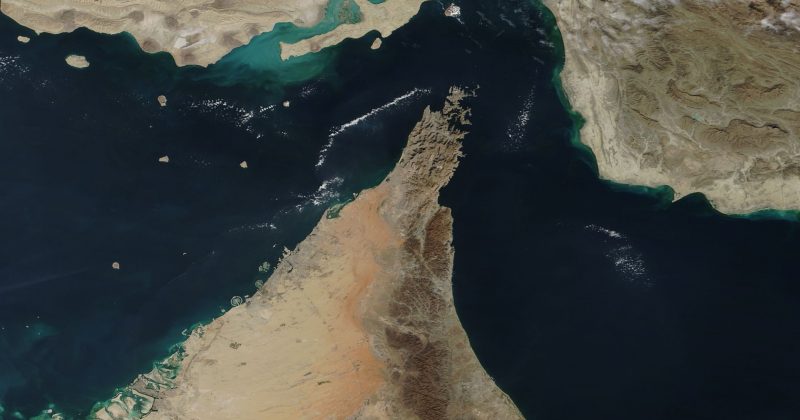
Geopolitical tensions in the Middle East are escalating as Iran has presented new demands to the United States in negotiations over the Strait of Hormuz, complicating diplomatic efforts and threatening the stability of global energy markets. The Iranian movement significantly raises risks for maritime security in this strategically vital region, which handles transportation of about 20% of the world's oil.
Iran's demands come at a time of increasing volatility in oil and cryptocurrency markets, with investors seeking refuge assets amid geopolitical uncertainty. The Strait of Hormuz is a critical maritime route for oil transportation, responsible for about one-fifth of global supply, making any instability in the region a catalyst for price volatility and interest in decentralized alternatives like Bitcoin.
This is a summarized and adapted version by Artificial Intelligence. To read the complete original story, visit the official source.
Read Full Article at Crypto BriefingSupport Jornal Bitcoin
Independent journalism, curated by AI, no clickbait. Keep the flame alive with any amount of BTC.
jonata@walletofsatoshi.comDaily Crypto Brief 📬
Subscribe to receive the curation of the most important Bitcoin and crypto news, summarized by AI. No spam.
Join more than 10,000 smart readers.
Related News

US Military Strikes Iran as Defense Stockpiles Hit Critically Low Levels
The depleted weapons stockpiles come at a time of increasing geopolitical tensions in the Middle East, potentially limiting the US's ability to respond to multiple simultaneous conflicts. Military analysts warn that this shortage could embolden adversaries and force a strategic reassessment of defense priorities, potentially accelerating the adoption of advanced technologies and alternative defense solutions in the crypto and defense sectors.
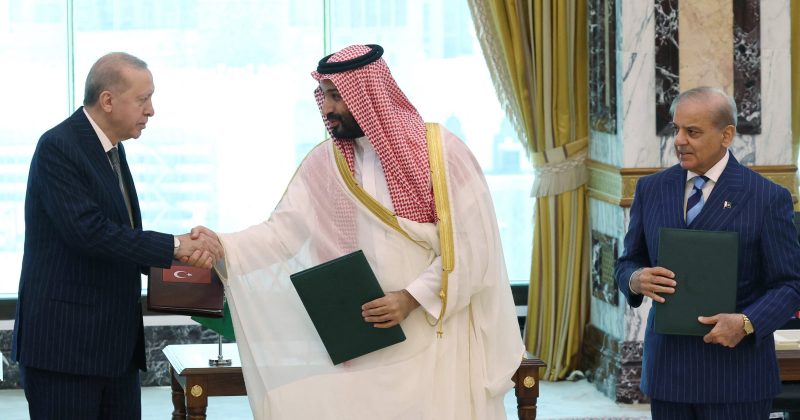
Turkey's New Defense Pact with Pakistan and Saudi Arabia: Equivalent to NATO's Article 5
The strategic alliance between these three regional powers creates a new defense bloc that could challenge existing alliances and reorganize the balance of power in the Middle East. With Turkey, a NATO member, forming direct defense ties with two major regional powers, the pact has profound implications for global geopolitics, potentially affecting West-East relations and the security dynamics in the region.

CLARITY Act Nears Critical Senate Vote: September 15 Decision Could Reshape US Crypto Landscape
Passage of the CLARITY Act could bring essential legal clarity to exchanges, developers, and investors, establishing a clear regulatory framework for digital assets. The legislation faces a critical test in the Senate, with intense lobbying from both sides of the crypto regulation debate. The outcome of this September vote could determine the trajectory of the industry for years to come, influencing everything from institutional adoption to blockchain innovation and DeFi development.
Israel Prepares for Iran Conflict Without US Backing: Global Markets on Edge
Israel's decision to potentially act unilaterally without guaranteed American support represents a geopolitical inflection point in Middle Eastern policy with potential consequences for global stability. Investors and market watchers are closely monitoring developments, as geopolitical uncertainty traditionally drives demand for safe-haven assets like Bitcoin and gold. The situation could accelerate the adoption of cryptocurrencies as instruments of protection against traditional market volatility, further strengthening the argument for Bitcoin as "digital gold" in times of crisis.

Ethereum Whale Capitulates After 3 Years, Losses Top $19 Million