Iran Conflict Escalates: US Strikes Near Children's Hospital Spark Global Market Fears

Geopolitical tensions have reached a breaking point following reports of US strikes near a children's cancer hospital in Ahvaz. This escalation in the Iran conflict represents a significant shift toward direct confrontation, heightening the risk of a massive regional destabilization.
Beyond the immediate humanitarian crisis, the fallout threatens to derail ongoing diplomatic efforts and disrupt global economic markets. As security risks rise, the resulting uncertainty is expected to impact market volatility and investor sentiment across all major asset classes, including the crypto sector.
The escalation of the conflict between the United States and Iran has taken a dark turn following reports of US strikes conducted near a children's cancer hospital in Ahvaz. This development significantly intensifies the regional crisis and raises urgent concerns regarding civilian safety.
Analysts warn that this escalation risks further destabilizing regional security, complicating diplomatic efforts to prevent a wider war. Furthermore, the geopolitical friction is poised to impact global economic markets, as heightened uncertainty typically triggers volatility and shifts in global capital flows.
This is a summarized and adapted version by Artificial Intelligence. To read the complete original story, visit the official source.
Read Full Article at Crypto BriefingSupport Jornal Bitcoin
Independent journalism, curated by AI, no clickbait. Keep the flame alive with any amount of BTC.
jonata@walletofsatoshi.comDaily Crypto Brief 📬
Subscribe to receive the curation of the most important Bitcoin and crypto news, summarized by AI. No spam.
Join more than 10,000 smart readers.
Related News

JD Vance Warns of Mass Migration Risk Amid Escalating US-Iran Conflict on Joe Rogan
The potential for regional destabilization could exacerbate global security challenges and severely complicate ongoing diplomatic efforts for peace. As tensions between the US and Iran rise, the ripple effects on migration patterns and global political stability remain a primary concern for policymakers.

Geopolitical Shift: Vance Asserts US Iran Policy Will Be Independent of Israel
This potential pivot may complicate U.S.-Israel relations and fundamentally alter the landscape of Iran negotiations. For global markets and crypto investors, such geopolitical volatility represents a significant risk factor, necessitating close attention to shifts in international diplomatic stability.

$131M Blow: US Freezes Iran-Linked Crypto Amid Escalating Military Conflict
The freeze coincides with a surge in regional instability, driven by renewed military strikes and a strategic naval blockade. As geopolitical tensions rise, this crackdown underscores how the US is leveraging blockchain surveillance to combat state-sponsored activities and mitigate the impact of global conflicts.
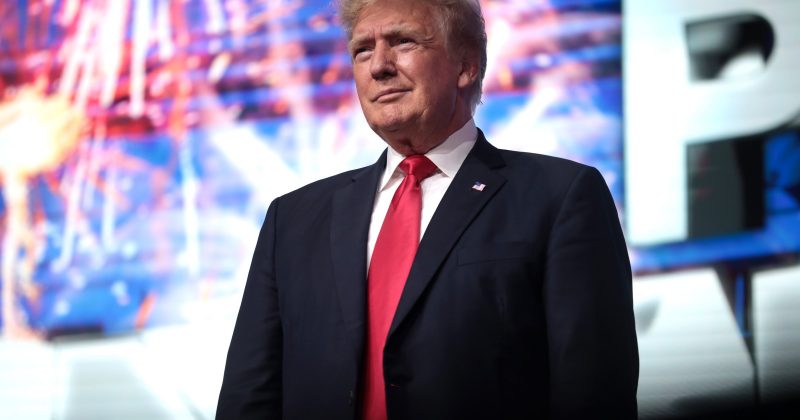
Geopolitical Shockwave: Trump Weighs Expanding Military Operations in Iran
Beyond the immediate military implications, the broader impact on global economic stability cannot be overstated. As tensions rise, investors often pivot toward safe-haven assets, making the intersection of military strategy and market volatility a critical area for monitoring in the current political climate.
Geopolitical Shockwave: US Launches Second Wave of Strikes Against Iran Amid Crypto Market Volatility
Beyond the immediate crypto reaction, these escalating US-Iran tensions threaten to destabilize global oil markets, potentially triggering broader economic instability. This shift in the geopolitical landscape is significantly influencing investor sentiment, creating a high-stakes environment where economic stability and energy security are now at the forefront of market concerns.
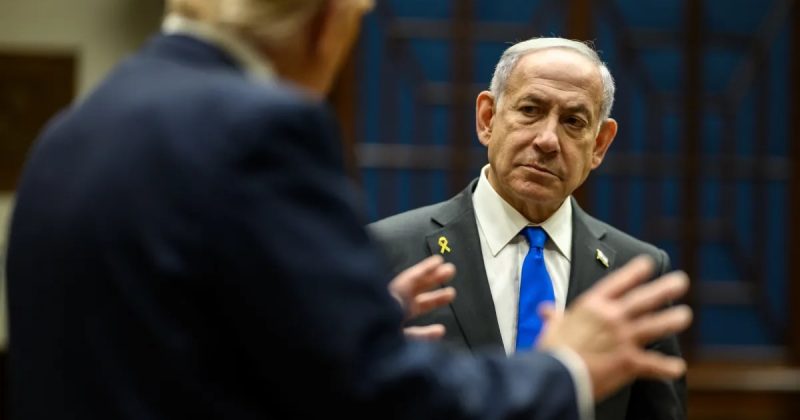
War Alert: Netanyahu Warns Iran of Devastating Response Amid Rising Tensions
This aggressive stance significantly diminishes prospects for peace, heightening the likelihood of a full-scale military conflict by 2026. As regional volatility increases, the potential for widespread instability poses a direct threat to global markets and the broader economic landscape.
