Geopolitical Chaos: Iran Closes Strait of Hormuz and Strikes US Bases
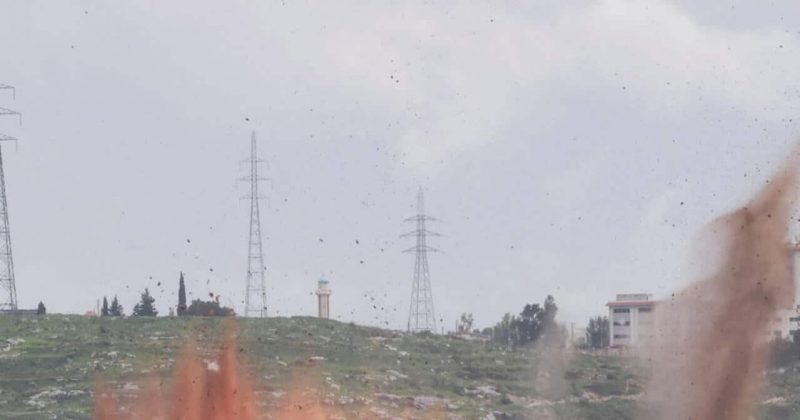
The global geopolitical landscape has shifted into a high-alert state as Iran closes the Strait of Hormuz and launches strikes against US military bases. This aggressive maneuver represents a massive escalation of tension, threatening to destabilize the entire region and triggering immediate volatility across global financial markets.
Beyond the immediate military conflict, the closure of this vital maritime artery poses severe global economic repercussions. As political volatility rises, the impact on trade routes and energy security could create a ripple effect, forcing a rapid reassessment of risk in both traditional and crypto asset classes.
Iran's aggressive shift may destabilize the region, heightening military and political volatility with profound global economic repercussions. By closing the Strait of Hormuz and striking US bases, the nation has escalated tensions to a breaking point, creating a high-risk environment for international stability and global trade security.
This is a summarized and adapted version by Artificial Intelligence. To read the complete original story, visit the official source.
Read Full Article at Crypto BriefingSupport Jornal Bitcoin
Independent journalism, curated by AI, no clickbait. Keep the flame alive with any amount of BTC.
jonata@walletofsatoshi.comDaily Crypto Brief 📬
Subscribe to receive the curation of the most important Bitcoin and crypto news, summarized by AI. No spam.
Join more than 10,000 smart readers.
Related News

Bitcoin Under Pressure: U.S.-Iran Escalation Spikes Oil Prices, Rattling Crypto Markets
This sudden shift in global risk appetite is forcing investors to pivot toward traditional hedges, leaving the crypto market vulnerable to macro volatility. As the conflict intensifies, the direct impact of rising oil costs and geopolitical instability remains a primary driver for the current downward pressure on Bitcoin and market liquidity.

Geopolitical Chaos: Iran Strikes Bahrain and Kuwait as US Conflict Escalates
Beyond the immediate military impact, this geopolitical instability poses a severe threat to global markets and could lead to the sudden closure of critical airspace. Investors should prepare for heightened market volatility and potential disruptions in energy supply chains as the situation evolves.
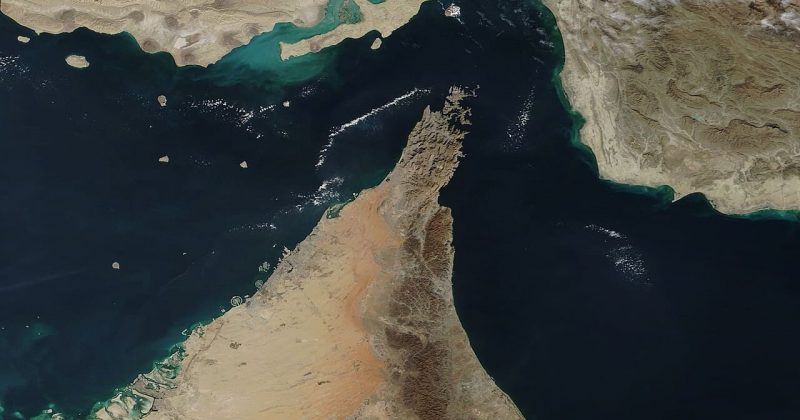
Oil Prices Surge as Iran Tensions and Strait of Hormuz Disruptions Loom
Beyond immediate market fluctuations, rising oil prices due to geopolitical tensions may strain global economies and trigger a new wave of inflation. Energy-dependent industries face significant operational risks as the threat of supply chain disruptions intensifies, forcing a reassessment of global economic stability.

Geopolitical Alert: US-Iran Tensions Target Strait of Hormuz, Threatening Global Stability
This confrontation threatens to destabilize global oil markets, potentially triggering massive volatility across traditional and digital asset classes. As the situation in the Strait of Hormuz intensifies, the resulting economic shockwaves could reshape global trade dynamics and investor sentiment in the face of heightened regional instability.
Energy Crisis Alert: US Oil Reserves Face Critical Depletion This Autumn Amid Iran Tensions
This depletion is expected to trigger a surge in global oil prices, creating massive volatility across commodity markets. As geopolitical instability in the Middle East intensifies, the intersection of supply scarcity and political friction poses a direct threat to global economic stability.

Oil Supply Surge: Global Output Set to Hit Pre-Iran Conflict Levels by 2026
As the oil supply expands, the potential for lower energy prices could reshape global economic dynamics and ease inflationary pressures. This shift in the energy landscape remains a key factor for macro analysts monitoring the intersection of commodity markets and global liquidity.
