Iran's Oil Exports Halted as US Naval Blockade Shuts Down Kharg Island
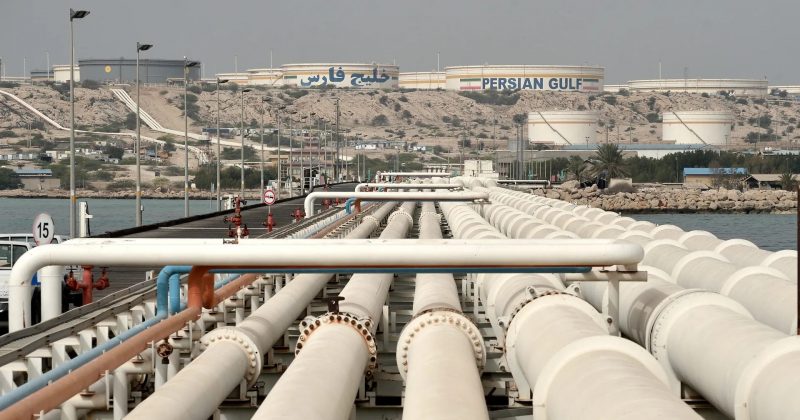
Geopolitical tensions in the Persian Gulf have reached a new boiling point as the United States imposes a naval blockade on Kharg Island, Iran's primary oil export terminal. The strategic move has completely halted Iranian oil exports, triggering a wave of instability across global energy and oil markets. Oil price volatility has increased significantly, forcing international buyers to scramble for alternatives.
This geopolitical development has profound implications for global energy security and may accelerate the adoption of cryptocurrencies as an alternative to traditional financial systems affected by regional tensions. Analysts note that the disruption of Iranian oil exports represents one of the largest supply shocks in the decade, with potential lasting effects on global energy prices and the dynamics of the global market.
This is a summarized and adapted version by Artificial Intelligence. To read the complete original story, visit the official source.
Read Full Article at Crypto BriefingSupport Jornal Bitcoin
Independent journalism, curated by AI, no clickbait. Keep the flame alive with any amount of BTC.
jonata@walletofsatoshi.comDaily Crypto Brief 📬
Subscribe to receive the curation of the most important Bitcoin and crypto news, summarized by AI. No spam.
Join more than 10,000 smart readers.
Related News
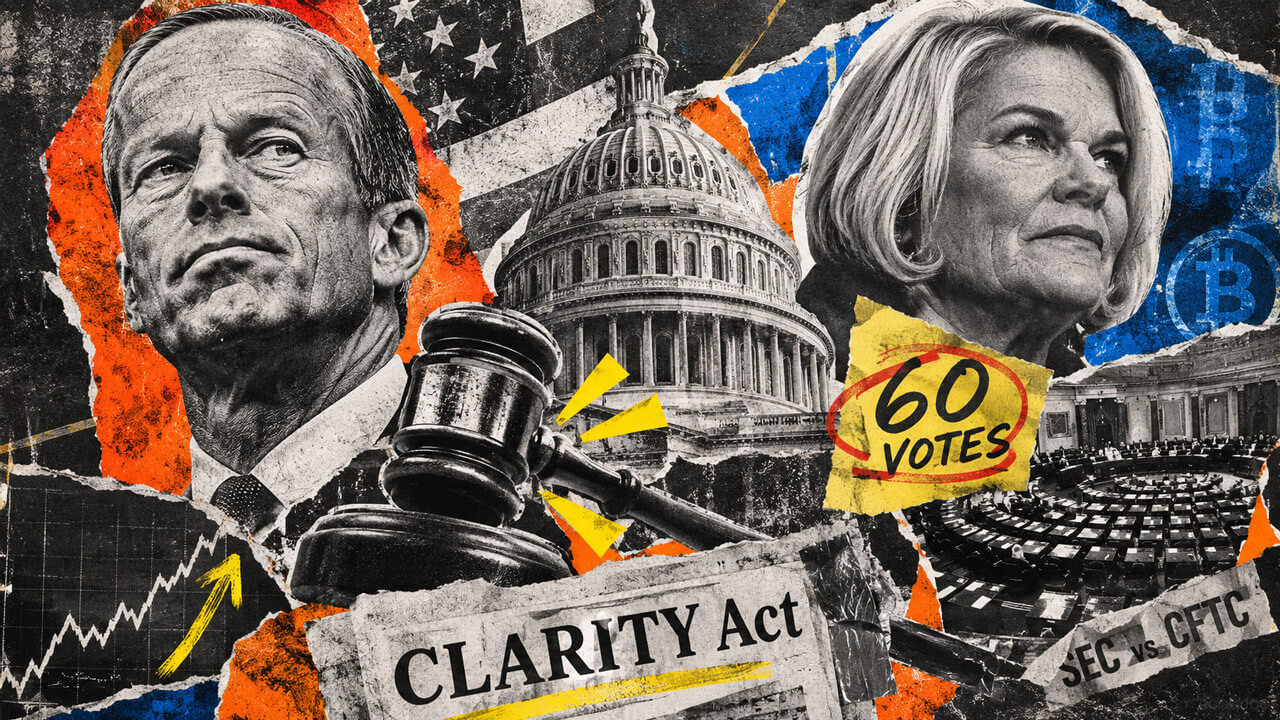
CLARITY Act heads for crucial Senate showdown in September after months of delays
This development marks a pivotal moment for the cryptocurrency industry in the United States, as the outcome of this vote could shape the regulatory landscape for digital assets for years to come. The CLARITY Act, focused on modernizing market structure for digital assets, faces significant opposition from traditional financial interests but also commands substantial support from the crypto sector. The September vote represents a crucial test of the industry's political influence and the Senate's willingness to address crypto-specific regulatory challenges.

Grayscale's Chainlink ETF Crashes to $72M After LINK's 18% Freefall
The dramatic decline in the Chainlink Trust's value comes amid increasing regulatory scrutiny in the United States, where the SEC continues to closely examine cryptocurrency investment products. This performance highlights the ongoing pressure on traditional crypto funds as investors seek more transparent and liquid alternatives in the evolving digital asset landscape, with the future of crypto ETFs remaining uncertain amid changing market conditions.

Bitcoin will never fall below $60K again: Nansen founder

Ship Hit by Projectile Near Oman as Regional Tensions Escalate
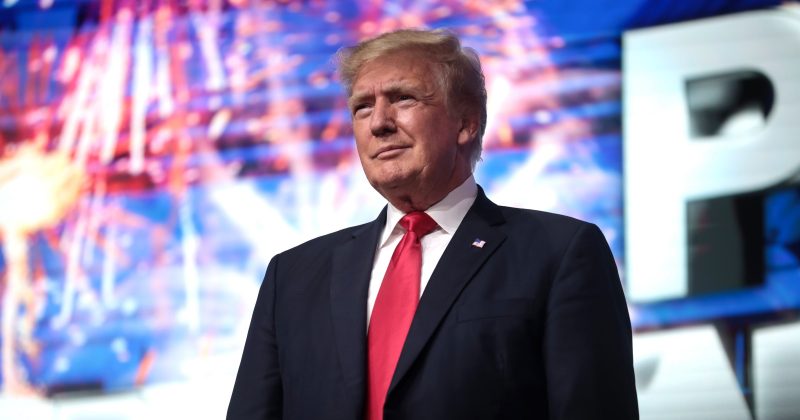
Trump Warns Iran War Could Crash Stock Market 20-25%
Trump's prediction comes at a time of market resilience amid international tensions, but also exposes the underlying fragility of financial systems. Investors and analysts are closely watching movements in the Middle East, recognizing that a regional conflict could have ripple effects on commodities, oil prices, and market confidence. The former president's statement adds a layer of uncertainty to an already complex geopolitical landscape, forcing market participants to evaluate portfolio protection strategies.
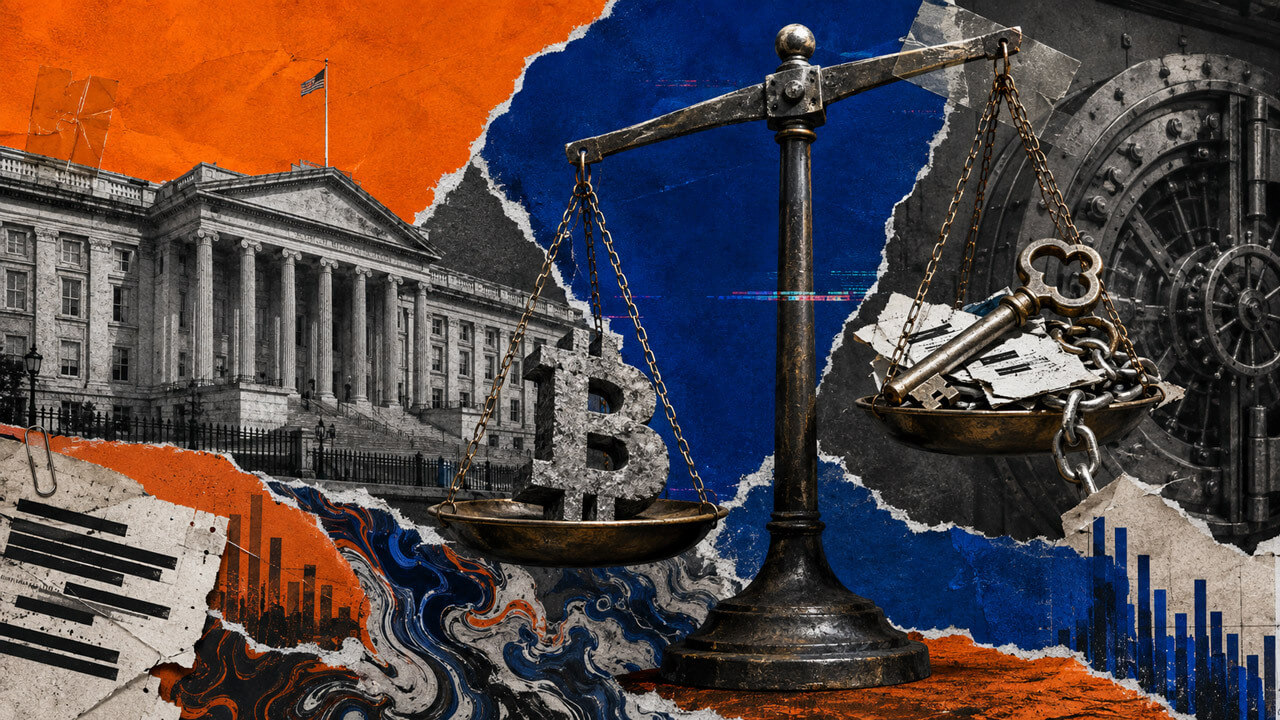
US Claims Bitcoin Reserve Exists, But Nobody Can Agree on How Much It Has
The ambiguity surrounding the exact amount of Bitcoin under US control has become the center of heated debates among crypto experts, regulators, and investors. While the government maintains secrecy about the details, analysts speculate the reserve could range from tens to hundreds of thousands of BTC, with potential massive impacts on market prices and global Bitcoin adoption. This uncertainty creates a complex landscape for crypto investors and companies, all scrambling to unravel the true objectives and financial capabilities behind this national cryptoasset strategy.
