Iran, Oman on verge of deal to control Hormuz traffic and charge 'service fees'
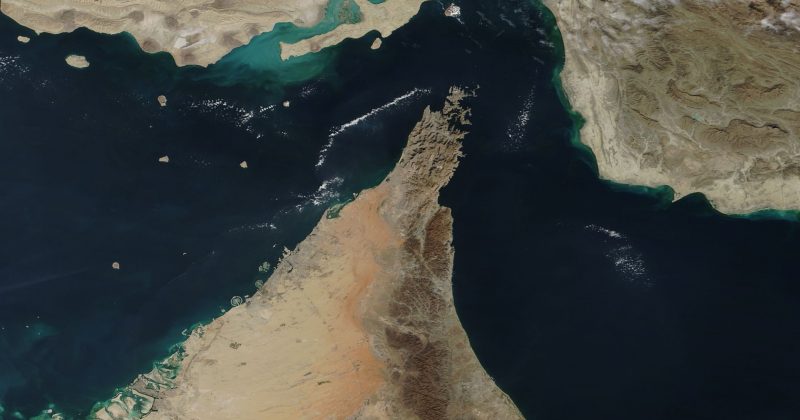
Iran and Oman are on the verge of a landmark agreement that would grant them control over maritime traffic in the strategically vital Strait of Hormuz, with plans to implement 'service fees' for vessels transiting through this critical global oil shipping chokepoint. This pact, which could reshape international shipping norms and economic dynamics in the region, represents a significant shift in the maritime power balance in the Persian Gulf. If implemented, the measure would directly impact global energy supply routes to markets including Europe and Asia, and could accelerate cryptocurrency adoption as an alternative for international transactions in response to potential disruptions in the traditional financial system.
This is a summarized and adapted version by Artificial Intelligence. To read the complete original story, visit the official source.
Read Full Article at Crypto BriefingSupport Jornal Bitcoin
Independent journalism, curated by AI, no clickbait. Keep the flame alive with any amount of BTC.
jonata@walletofsatoshi.comDaily Crypto Brief 📬
Subscribe to receive the curation of the most important Bitcoin and crypto news, summarized by AI. No spam.
Join more than 10,000 smart readers.
Related News

Deribit Still Dominates Crypto Options as Bybit Surges in ETH Volume

Coldcard crisis hits $130 million – proving 'not your keys' is meaningless if you trust a single device to generate them

5 Convicted of Torturing Crypto Millionaires in London Kidnapping Ordeal

Strategy's STRC retakes $90 after 24% rebound from June closing low

RBC Capital reportedly initiates SkyWater coverage with $200 price target, but there's more to the story
This fundamental shift in the company structure raises critical questions about SkyWater's future in the quantum computing and cryptocurrency markets. The acquisition by IonQ represents a game-changing move that could completely redefine the intrinsic value of the company, making previous analyses irrelevant and requiring a new assessment based on the combined potential of both entities.
