Energy Crisis: Iran Loses 230M Cubic Meters of Gas Amid US Conflict
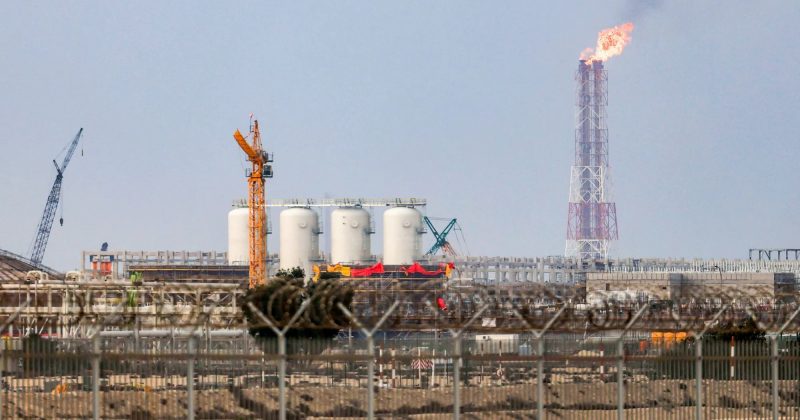
Iran's gas production has faced a massive blow, losing 230 million cubic meters amid escalating tensions with the United States. This supply shock threatens to destabilize global energy markets and shift the current geopolitical landscape.
The consequences of this production loss could trigger severe volatility in oil prices and energy commodities. As the conflict with the US intensifies, the resulting instability in the Middle East poses a direct threat to global economic stability and energy security.
This is a summarized and adapted version by Artificial Intelligence. To read the complete original story, visit the official source.
Read Full Article at Crypto BriefingSupport Jornal Bitcoin
Independent journalism, curated by AI, no clickbait. Keep the flame alive with any amount of BTC.
jonata@walletofsatoshi.comDaily Crypto Brief 📬
Subscribe to receive the curation of the most important Bitcoin and crypto news, summarized by AI. No spam.
Join more than 10,000 smart readers.
Related News

Satellite Images Reveal Amazon Data Centers Hit in Iran Strikes
The targeting of cloud computing assets and critical network nodes threatens to disrupt global cybersecurity norms and digital stability. As physical warfare bleeds into the digital realm, the consequences for global data integrity and international security protocols could be profound.
Hormuz Breakthrough? Iran and Oman Push for Agreement to Restart US Peace Talks
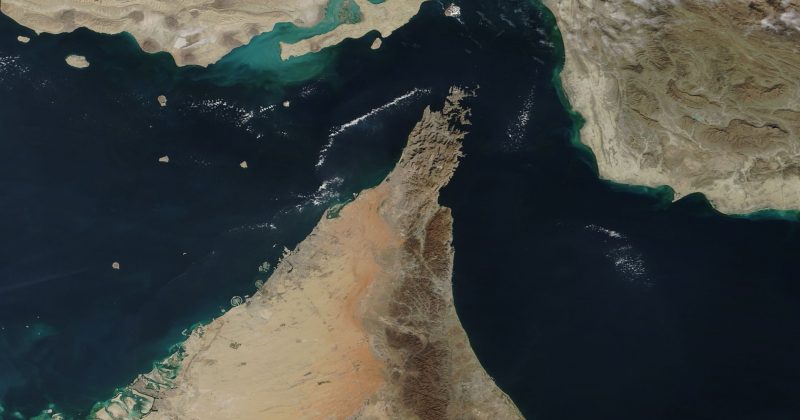
Beyond regional diplomacy, the success of this agreement could significantly impact U.S.-Iran relations and broader economic stability. For the crypto market and global investors, a reduction in Middle East tensions often translates to a shift in risk appetite, making this development a key indicator for future macroeconomic trends.
Geopolitical Calm: US-Iran Tensions Ease, Sending Oil Prices Lower
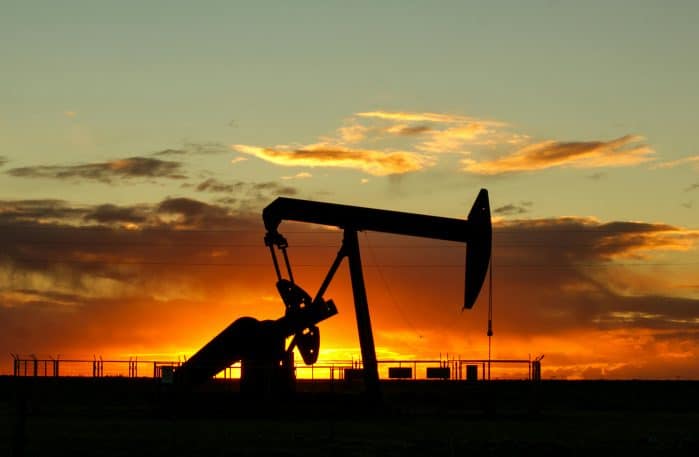
As tensions remain low for the fourth consecutive night, the likelihood of sudden price spikes has diminished significantly. This stabilization offers a window for market participants to reassess macroeconomic trends without the immediate threat of conflict-driven supply disruptions.

Crisis Escalates: Iran Executes Three Protesters in Isfahan Amid Widespread Unrest
These executions are expected to intensify domestic unrest and trigger heightened international scrutiny from global powers. Such geopolitical pressure could serve as a catalyst, potentially accelerating major political shifts within Iran's leadership as the nation faces unprecedented internal and external tension.
Red Sea Oil Blockade: Asia's Energy Crisis Threatens Global Market Stability
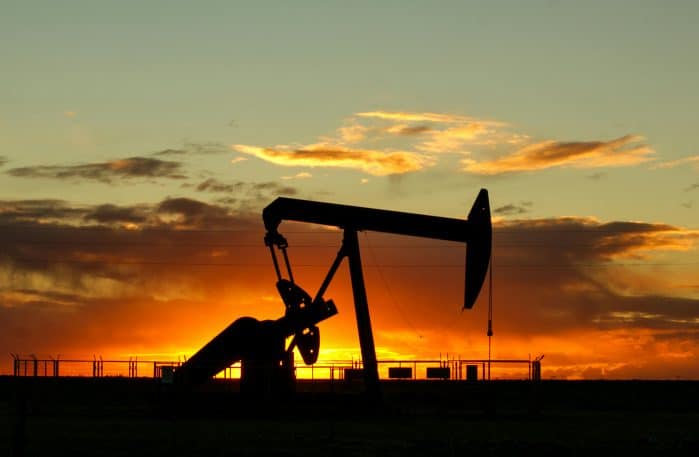
The long-term consequences of this blockade could permanently reshape global oil markets and future pricing dynamics. As energy scarcity intensifies, the impact extends far beyond Asia, posing a significant risk to international financial stability and global trade logistics.

Oil Prices Slump as Geopolitical Tensions Ease: Will the Fed Pivot?
The perceived pause in the US-Israel-Iran conflict is the primary driver behind this market shift, directly impacting how the Federal Reserve (Fed) might approach future interest rate decisions. As geopolitical tensions fluctuate, the correlation between commodity prices and central bank policy remains a critical focal point for market stability.
