Strategic Surge: Iran Moves 80M Barrels of Oil During Brief US Sanctions Waiver
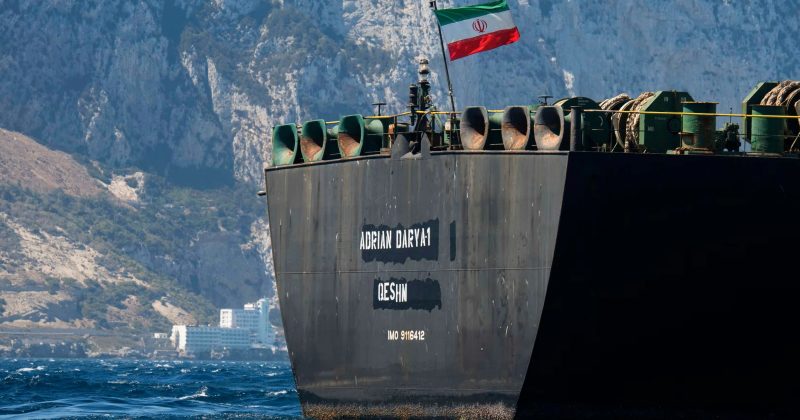
Iran executed a massive strategic maneuver, exporting 80 million barrels of oil during a short-lived US sanctions waiver. This rapid deployment of resources highlights Tehran's ability to navigate complex geopolitical landscapes to secure vital economic inflows.
This sudden surge in oil exports could trigger significant shifts in global market dynamics and energy supply stability. The scale and speed of the operation underscore the strategic urgency faced by nations operating under the constant threat of shifting international sanctions and geopolitical volatility.
Iran's swift oil export of 80 million barrels during a brief US sanctions waiver underscores its strategic urgency amid ongoing geopolitical tensions affecting global markets. The rapid movement of these volumes highlights how quickly energy flows can shift when regulatory windows open, potentially impacting global supply chains and market stability.
This is a summarized and adapted version by Artificial Intelligence. To read the complete original story, visit the official source.
Read Full Article at Crypto BriefingSupport Jornal Bitcoin
Independent journalism, curated by AI, no clickbait. Keep the flame alive with any amount of BTC.
jonata@walletofsatoshi.comDaily Crypto Brief 📬
Subscribe to receive the curation of the most important Bitcoin and crypto news, summarized by AI. No spam.
Join more than 10,000 smart readers.
Related News

Oil Price Surge: Trump's Threats on Strait of Hormuz Trigger Market Chaos
As uncertainty surrounds the global oil supply and pricing, the broader economic implications are profound. Investors are bracing for potential supply chain disruptions, which could fuel inflation and force a shift in asset allocation across both traditional commodities and the crypto market as traders seek safe havens.

AI Bubble Warning: TS Lombard Urges Fed to Tighten Policy Amid Tech Surge
This warning echoes historical concerns regarding tech bubbles, suggesting that the current AI-driven growth could lead to systemic volatility. If the Fed fails to act, the unchecked momentum in the AI sector may trigger an inflationary spiral, mirroring the patterns of past technological manias that disrupted global markets.
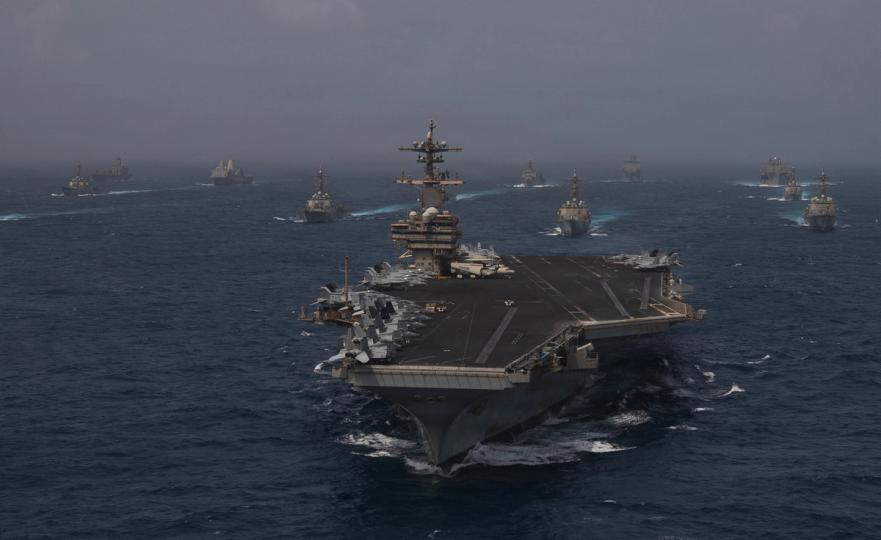
U.S.-Iran Escalation Hits Bitcoin and Stocks as Oil Prices Surge
With oil prices climbing in response to the Middle East instability, the macroeconomic fallout could intensify the pressure on Bitcoin. The interplay between energy security and market liquidity suggests that this geopolitical friction will remain a primary driver of market volatility in the near term.
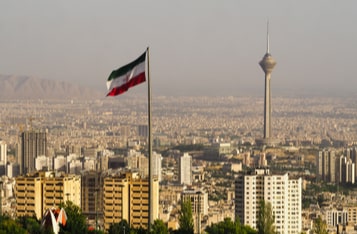
Hormuz Strait Tension: Polymarket Sees Only 2% Chance of Normal Traffic Following UK IRGC Ban
Iran has slammed the UK's decision as "irresponsible," framing the dispute as a critical security flashpoint. This diplomatic friction is expected to fuel ongoing shipping-risk narratives, potentially disrupting global maritime corridors and influencing how prediction markets price geopolitical instability.

China's Export Surge Defies Geopolitical Tensions to Boost Asian Markets
Even as tensions escalate between the US and Iran, the robust performance of China's trade sector is helping to stabilize regional markets. The resilience shown in these latest economic indicators could serve as a primary driver for risk assets in the near term.

Oil Price Surge: US-Iran Tensions Trigger Massive Two-Day Rally
Beyond immediate market volatility, this trend poses a significant threat to global economies by potentially driving up inflation. As energy prices climb, nations may face intense pressure to restructure their energy policies to mitigate the impact on economic growth and consumer stability.
