Geopolitical Shockwave: Iran Strikes Cargo Ship in Strait of Hormuz, Defying US Ultimatum
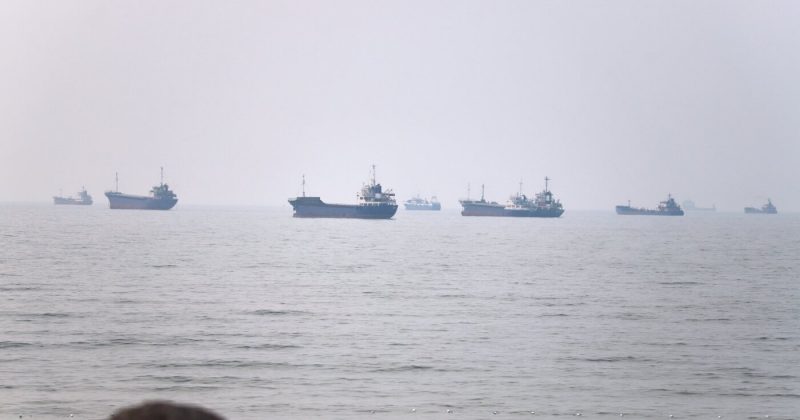
The global geopolitical landscape has entered a period of heightened volatility as Iran launched a strike against a cargo ship in the Strait of Hormuz. By directly defying the US ultimatum, this escalation signals a significant breakdown in regional deterrence and increases the likelihood of maritime conflict.
This aggressive maneuver exacerbates regional instability and undermines ongoing diplomatic efforts to stabilize the Middle East. Market participants are bracing for impact, as the attack heightens uncertainty over maritime traffic normalization, a factor that could trigger sudden shifts in global trade and risk-on asset classes.
Defying direct warnings from Washington, Iran has struck a cargo vessel in the vital Strait of Hormuz, marking a dangerous escalation in Middle Eastern tensions. The strike serves as a blatant rejection of the US ultimatum, signaling a shift toward more aggressive maritime tactics in one of the world's most critical chokepoints.
This is a summarized and adapted version by Artificial Intelligence. To read the complete original story, visit the official source.
Read Full Article at Crypto BriefingSupport Jornal Bitcoin
Independent journalism, curated by AI, no clickbait. Keep the flame alive with any amount of BTC.
jonata@walletofsatoshi.comDaily Crypto Brief 📬
Subscribe to receive the curation of the most important Bitcoin and crypto news, summarized by AI. No spam.
Join more than 10,000 smart readers.
Related News
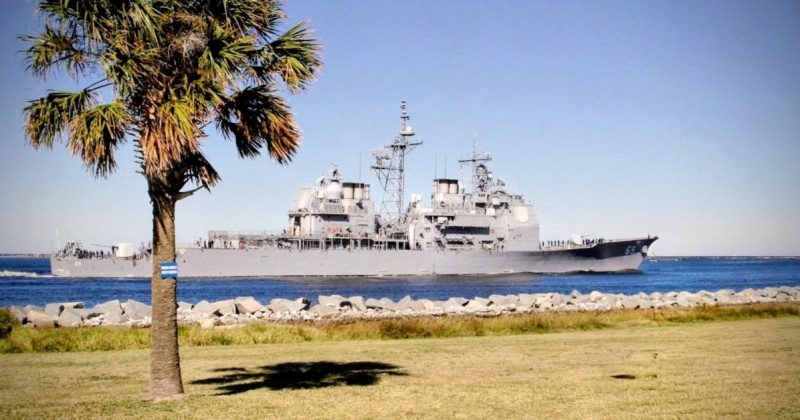
Iran Missile Strike Hits US Navy Fifth Fleet in Bahrain, Sparking Global Security Fears
Beyond the immediate military impact, the strike poses a significant threat to global oil supply dynamics and international market stability. As geopolitical risks rise, the potential for widespread economic disruption remains high, forcing a re-evaluation of maritime security and energy logistics.
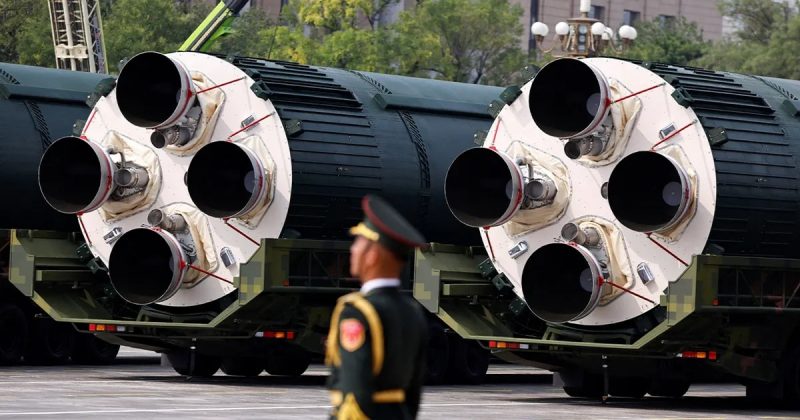
Pacific Alert: China’s Missile Test Triggers Massive Defense Realignment
As nations reconsider their long-term military strategies, the geopolitical landscape is undergoing a profound transformation. The consequences of this escalation extend to maritime security and global stability, as regional powers scramble to fortify their borders and intelligence-sharing networks against rising tensions.
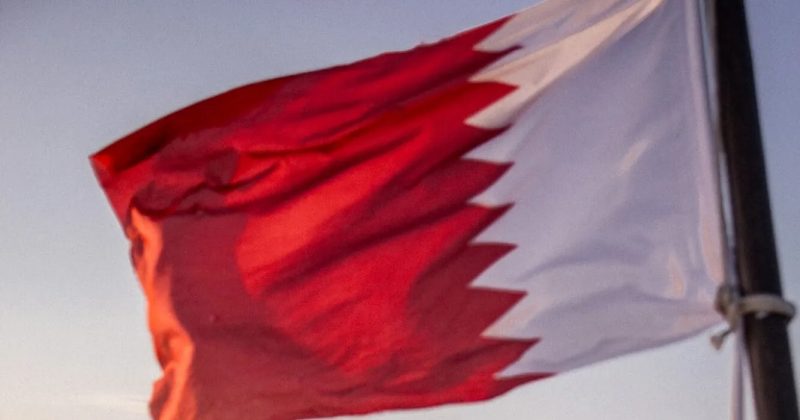
Red Alert: Qatar Raises Security Threat Level Amid Escalating Iran Tensions
Rising tensions threaten to destabilize Gulf economies and exert significant pressure on global markets, potentially triggering massive volatility. As the situation evolves, international diplomatic interventions will be crucial to prevent a full-scale conflict and safeguard the global economic landscape.
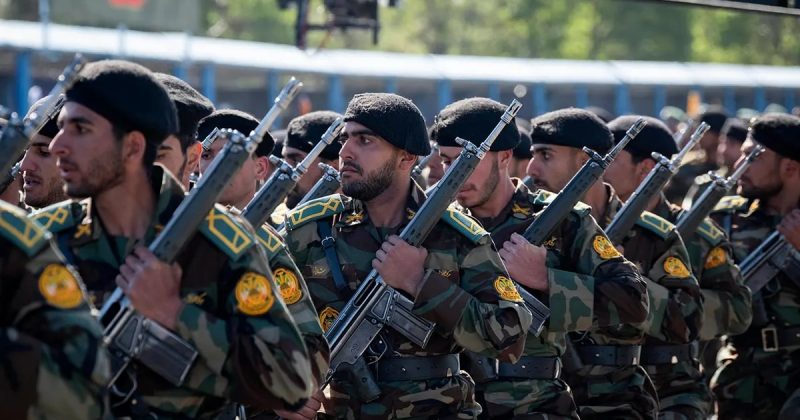
War Escalation: Iran Launches Retaliatory Strikes on Gulf States
Beyond the immediate battlefield, the impact of these strikes is expected to cripple air travel and trigger massive shifts in global markets. As the war escalation intensifies, the heightened geopolitical tensions in the Gulf are creating a high-risk environment for international trade and security.
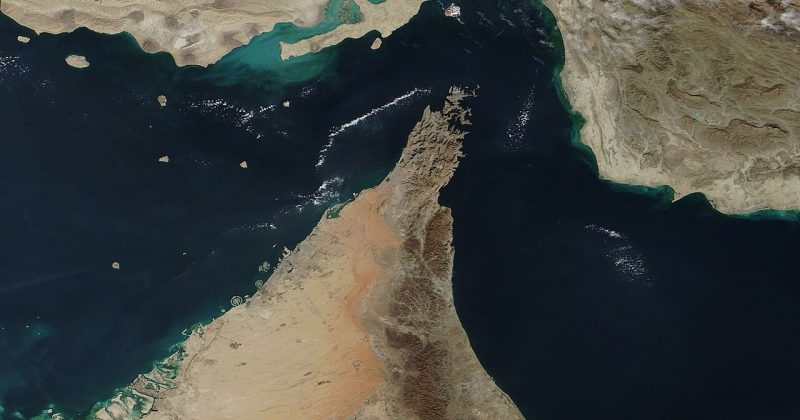
Geopolitical Explosion: US Strikes Iran Following Hormuz Attack as Israel Confirms Assassination Plot
Beyond the immediate violence, intelligence leaks suggest a profound attempt to destabilize Iran's leadership and dismantle its regional alliances. Such high-stakes geopolitical tensions often trigger massive volatility in global markets, making this a critical moment for investors monitoring systemic risk.
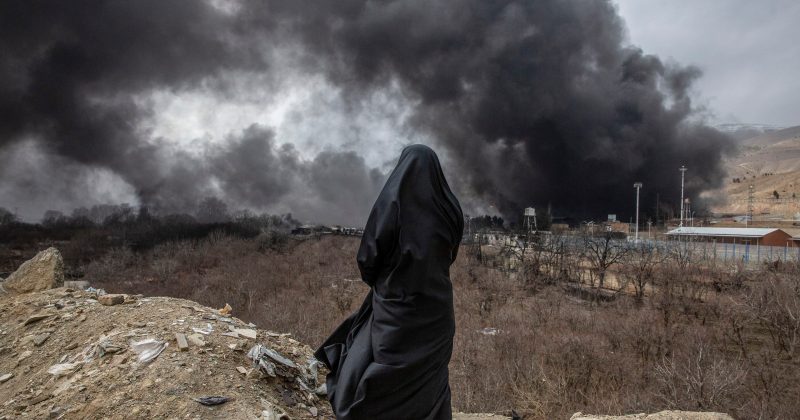
Middle East Crisis: Iran Strikes US Positions, Triggering Global Instability Fears
Beyond the immediate military confrontation, the fallout could include widespread airspace closures and massive disruptions to global markets. As diplomatic relations fracture, the ripple effects on international trade and market volatility are expected to be significant and immediate.
