Middle East Escalation: Iran Warns of Regional Strikes Against US Infrastructure Targets
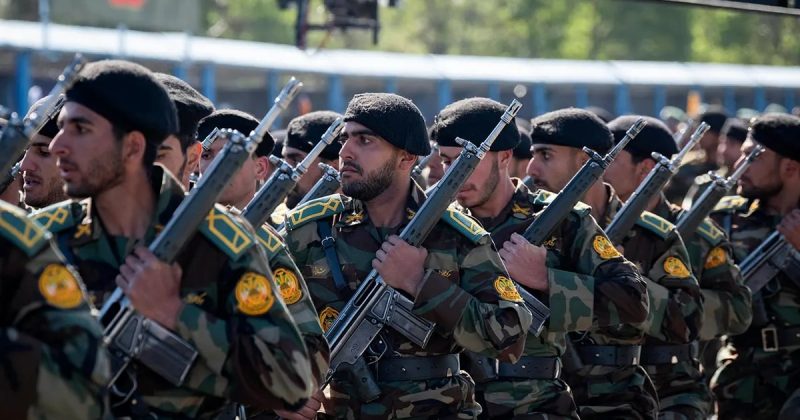
Geopolitical tensions have reached a boiling point as Iran issues a direct warning of regional strikes in response to potential US military action. The Iranian government has made it clear that any US attempt to target its critical infrastructure will trigger a massive retaliatory response, threatening to destabilize the entire Middle East.
This escalation significantly complicates ongoing diplomatic efforts and creates a high-stakes environment for global stability. The heightened tension is expected to reduce the likelihood of a successful US-Iran deal by 2026, potentially triggering volatility across global markets and complicating international security frameworks.
Iran has issued a stern warning that it may launch regional strikes if the United States proceeds with targeting its critical infrastructure. This threat comes at a time of extreme diplomatic fragility, where any military move could trigger a chain reaction across the Middle East.
Experts suggest that this warning could further destabilize the region, complicating diplomatic efforts and reducing the likelihood of a US-Iran deal by 2026. The potential for increased conflict adds a layer of significant risk to global geopolitical stability and market predictability.
This is a summarized and adapted version by Artificial Intelligence. To read the complete original story, visit the official source.
Read Full Article at Crypto BriefingSupport Jornal Bitcoin
Independent journalism, curated by AI, no clickbait. Keep the flame alive with any amount of BTC.
jonata@walletofsatoshi.comDaily Crypto Brief 📬
Subscribe to receive the curation of the most important Bitcoin and crypto news, summarized by AI. No spam.
Join more than 10,000 smart readers.
Related News
Diesel Hits $5 a Gallon: Iran Conflict Triggers 33% Price Surge and Inflation Fears
The impact extends far beyond the pump, threatening to destabilize the transportation and agriculture sectors while risking major disruptions in global energy markets. As geopolitical tensions rise, the economic consequences of this fuel shortage could reshape market volatility in the coming months.

US Senate Unanimously Rejects Sam Bankman-Fried Pardon: 'Under No Circumstances'
This decisive stance underscores the gravity of the FTX collapse and its lasting impact on the broader cryptocurrency market. By standing firm against potential leniency, lawmakers are signaling a commitment to accountability and the protection of investor interests within the digital asset landscape.
Europe's Break from US Tech: Airbus Selects Scaleway for AI and Defense Cloud
By decoupling from American tech giants, Airbus is setting a precedent for how critical infrastructure should be managed in the age of artificial intelligence. This shift not only enhances regional autonomy but also reinforces the necessity of localized cloud solutions to protect sensitive defense data and foster a self-reliant European digital ecosystem.
TSMC Uncertainty: Delayed US Investment Threatens AI and Crypto Growth
This lack of clarity could significantly delay critical advancements in the AI and crypto sectors, as both industries rely heavily on high-performance chips. The potential slowdown in production capacity poses a direct risk to global tech economies and the rapid scaling of decentralized and intelligent technologies.
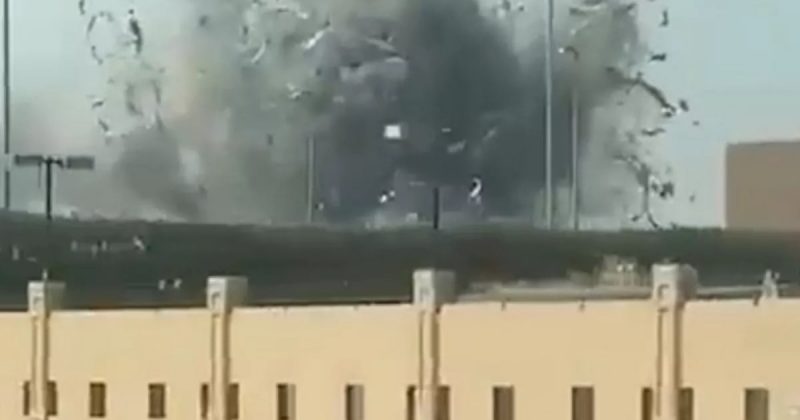
Geopolitical Shockwave: IRGC Claims Destruction of US Military Assets in Bahrain
Such instability is expected to destabilize regional markets and trigger immediate diplomatic interventions. As geopolitical risks rise, the ripple effects could cause significant volatility across global financial sectors and energy markets.

Geopolitical Shock: Odds of US Invasion of Iran Surge to 23.5% on Polymarket
As the odds of a US invasion of Iran jump to 23.5% on Polymarket, the platform is capturing a massive shift in global sentiment. This sudden surge reflects how quickly geopolitical instability can translate into measurable market volatility, leaving analysts closely monitoring the potential for a wider regional conflict.
