Geopolitical Escalation: Iran Claims Destruction of US Military Assets in Kuwait
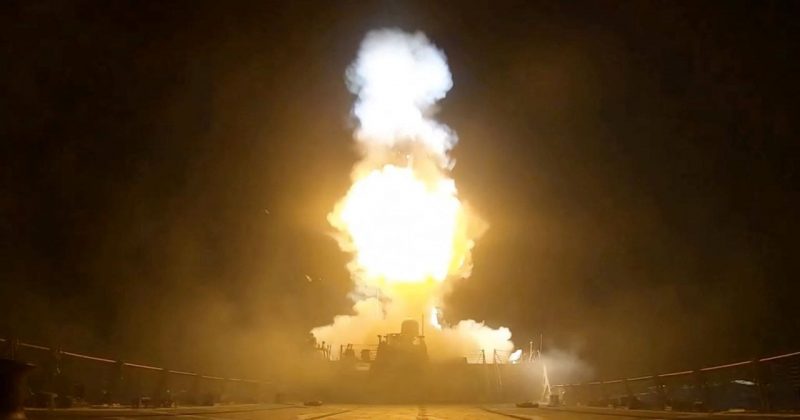
Global tensions have reached a breaking point following claims from Iran regarding the destruction of United States military assets stationed in Kuwait. This sudden surge in geopolitical instability threatens to trigger a wider conflict, sending shockwaves through international security frameworks and financial markets alike.
Beyond the immediate military implications, the fallout poses a massive threat to global shipping routes and long-term economic stability. As market volatility intensifies, the potential for significant disruptions to global trade remains a primary concern for investors navigating high-risk geopolitical environments.
Heightened regional tensions and market volatility persist as reports emerge of Iran claiming the destruction of US military assets in Kuwait amid a 2026 conflict scenario. The situation places global shipping and geopolitical stability at extreme risk. Analysts suggest that such escalations could lead to profound disruptions in international trade corridors, further fueling uncertainty across both traditional and digital asset markets.
This is a summarized and adapted version by Artificial Intelligence. To read the complete original story, visit the official source.
Read Full Article at Crypto BriefingSupport Jornal Bitcoin
Independent journalism, curated by AI, no clickbait. Keep the flame alive with any amount of BTC.
jonata@walletofsatoshi.comDaily Crypto Brief 📬
Subscribe to receive the curation of the most important Bitcoin and crypto news, summarized by AI. No spam.
Join more than 10,000 smart readers.
Related News
Geopolitical Alert: NATO Braces for Russia Threat Amid US Support Uncertainty
Analysts warn that this strategic realignment could inadvertently heighten global tensions, potentially increasing the risk of a direct conflict with Russia by 2026. The move underscores a critical period of transition as the alliance seeks to secure its borders amidst shifting political landscapes and unpredictable international alliances.
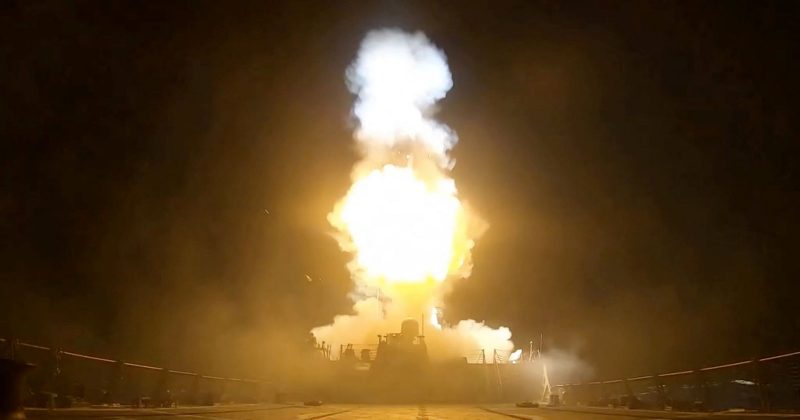
Middle East Escalation: Iran Strikes US Bases, Sending Shockwaves Through Global Markets
The implications of these missile attacks extend far beyond military borders, as the heightened Gulf tensions pose a direct threat to global economic continuity. Investors should prepare for increased market volatility and potential disruptions in energy and trade sectors as the world watches for further escalation in the Middle East.
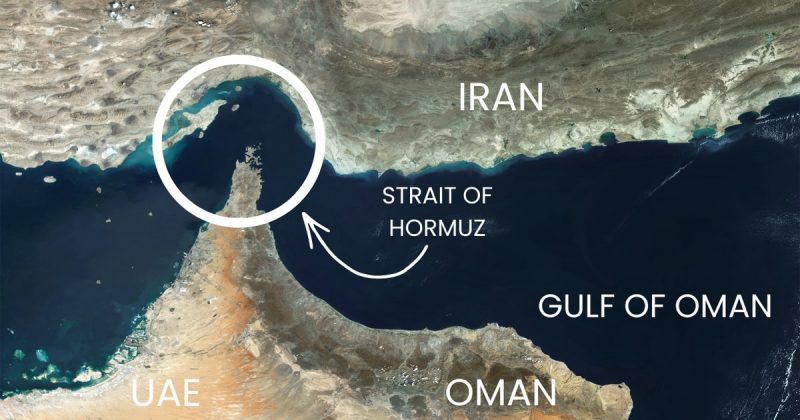
Strait of Hormuz Crisis: US Pressure Stalls Iran-Oman Strategic Talks
Beyond the immediate political fallout, these developments are sending ripples through global markets by eroding investor confidence. As the standoff persists, the potential for supply chain disruptions and heightened geopolitical risk remains a primary driver of market uncertainty.
Iran Under Pressure: Urgent Calls to Target Khamenei Assassination Plotters
As a power vacuum begins to emerge, the potential for prolonged political turbulence grows, posing a significant threat to regional geopolitical dynamics. The inability to secure the leadership could trigger a domino effect of unrest, impacting global security and shifting the balance of power across the Middle East.
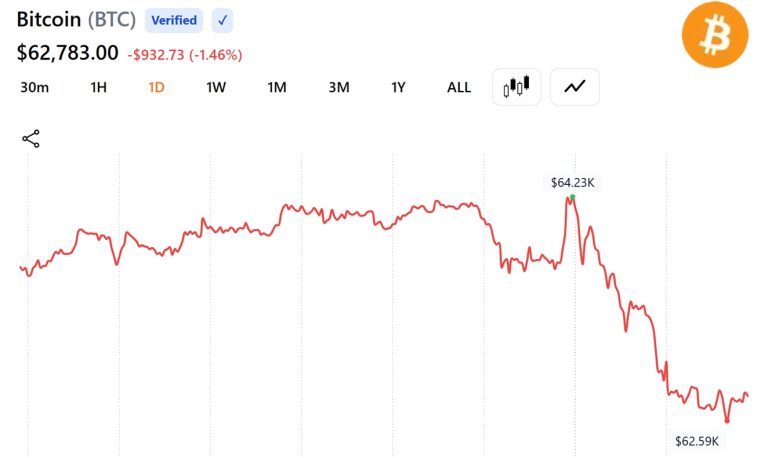
Bitcoin Dips Below $63K as Iran Strikes Resume and Oil Prices Surge 4.5%
The situation reached a breaking point with Tehran declaring the Strait of Hormuz closed, sending Brent crude prices soaring by 4.5%. This convergence of military escalation and energy market volatility is creating a high-stakes environment, where the threat to global oil supplies is overshadowing crypto market sentiment and forcing traders to reassess their positions.

Economic Warning: Euro-zone Growth Forecast Slashed for 2026 Amid Iran Conflict and Energy Shock
This downward adjustment is expected to trigger a domino effect, heavily influencing central banks' monetary policies worldwide. As traditional markets brace for impact, the resulting volatility may drive capital toward alternative assets as investors seek refuge from geopolitical and energy-driven uncertainty.
