Geopolitical Crisis: Iran Accuses NATO of Complicity in US-Israeli Strikes
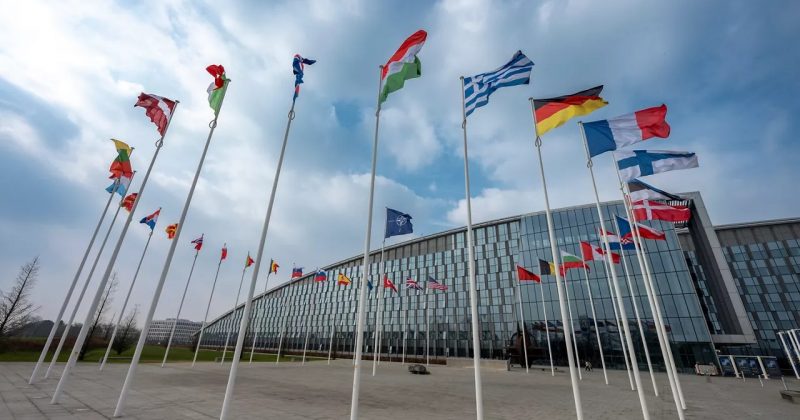
The global geopolitical landscape is facing a severe escalation as Iran formally accuses NATO of complicity in the ongoing military strikes led by the United States and Israel. This aggressive diplomatic stance signals a deepening regional conflict that threatens to destabilize international relations and heighten global security risks.
Beyond the immediate military impact, these accusations carry heavy implications for global oil markets and the stability of long-standing diplomatic alliances. As casualties mount, the resulting market volatility remains a primary concern for macro analysts tracking how geopolitical instability influences traditional and digital asset flows.
Iran has escalated its international rhetoric, accusing NATO of complicity in the continuous military operations carried out by the United States and Israel. As casualties continue to rise and strikes persist, Tehran's accusations threaten to strain international relations to a breaking point.
Analysts warn that these developments could have far-reaching consequences, potentially impacting global oil markets and shifting strategic diplomatic alliances. The ongoing escalation keeps global markets on high alert for sudden shifts in risk sentiment and commodity price volatility.
This is a summarized and adapted version by Artificial Intelligence. To read the complete original story, visit the official source.
Read Full Article at Crypto BriefingSupport Jornal Bitcoin
Independent journalism, curated by AI, no clickbait. Keep the flame alive with any amount of BTC.
jonata@walletofsatoshi.comDaily Crypto Brief 📬
Subscribe to receive the curation of the most important Bitcoin and crypto news, summarized by AI. No spam.
Join more than 10,000 smart readers.
Related News

ETF Flip: Bitcoin Spot Funds Face Outflows as Ether Funds Keep Winning
Despite the Bitcoin cooling period, Ether funds are defying the trend by extending their winning streak of inflows. This divergence highlights a potential rotation of institutional liquidity, as investors pivot their focus between the two largest crypto assets.

Venezuela Appeals to King Charles to Unlock $1.95B in Frozen Gold for Emergency Relief
This move underscores the volatile intersection of international politics and humanitarian crises. As the world watches, the resolution of this dispute over frozen assets will serve as a critical precedent for how sovereign gold reserves are handled amidst global sanctions and political instability.

War Odds Spike: Polymarket Prices 16.5% Chance of U.S. Invasion of Iran by 2027
Investors have rapidly pivoted to a risk-off sentiment as global markets react to potential conflict. The fallout from U.S. strikes tied to attacks on vessels in the Strait of Hormuz has already sent shockwaves through energy markets, driving Brent crude prices up by 5.2% to $78.02.
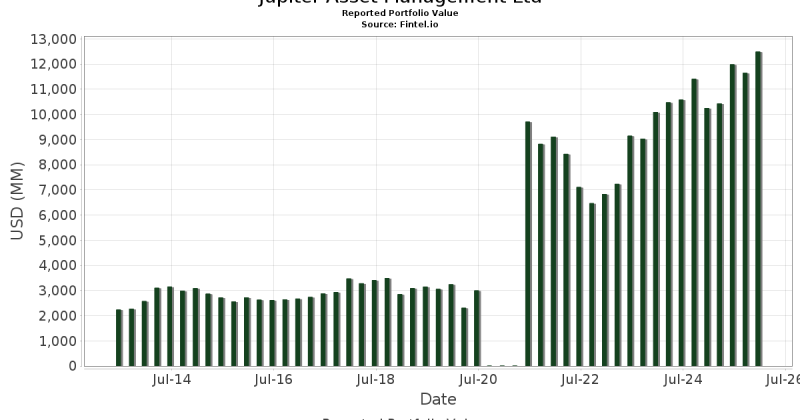
Global Pivot: Jupiter Asset Management Slashes US Treasury Holdings to Zero for European Bonds
This massive capital migration is poised to reshape global investment strategies and market dynamics. By favoring European debt, Jupiter is positioning itself to capitalize on shifting yield landscapes, potentially altering the traditional liquidity flow between the world's largest economies and impacting fixed-income market stability.
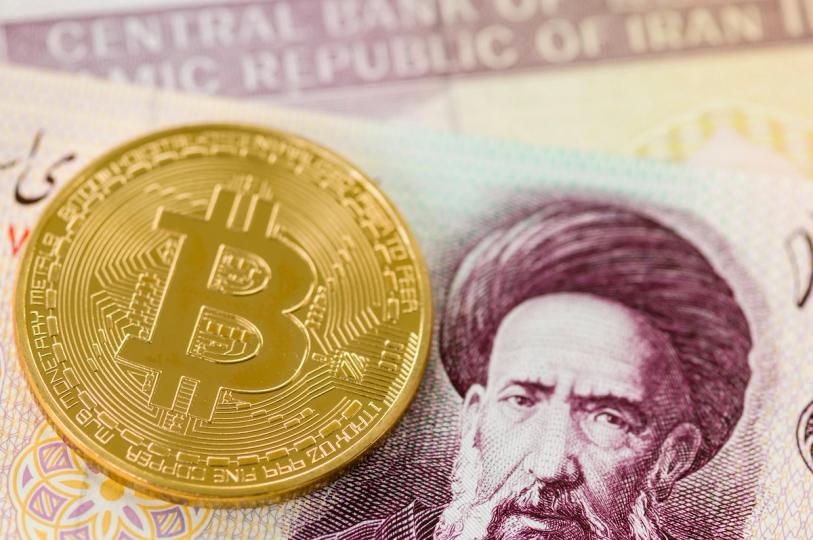
Geopolitical Chaos: Bitcoin Holds Steady as Gold Slides Amid Escalating US-Iran Tensions
This divergence highlights a critical moment for macro assets; as oil prices climb for the third straight day, the traditional safe haven of gold is losing momentum. Investors are now closely monitoring whether Bitcoin will continue to decouple from traditional hedges like gold in response to the heightened risk in the Middle East.

The Century-Old Bottleneck: The Hidden Device Killing AI Ambitions
Beyond mere hardware shortages, this bottleneck carries profound implications for energy-intensive industries and long-term investment strategies. As the world pivots toward an AI-driven economy, the inability to scale this essential component could delay digital infrastructure expansion and reshape the landscape of global tech investments.
