Middle East Escalation: Iran Releases Missile Launch Videos Targeting Kuwait and Bahrain
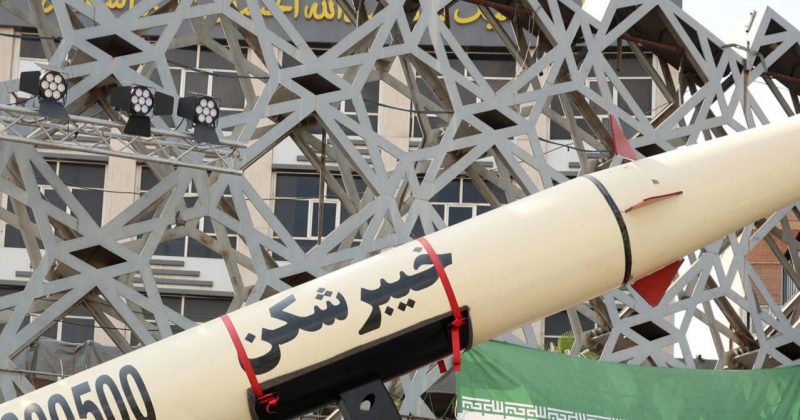
Geopolitical tensions in the Middle East have spiked following the release of videos by Iran showcasing missile launches aimed at Kuwait and Bahrain. This provocative display of military force comes amid heightened friction with the United States, signaling a dangerous shift toward potential direct military action in the Gulf region.
The implications of this escalation extend far beyond regional borders, posing a significant threat to global stability and energy security. As military tensions rise, market participants should prepare for increased volatility and potential shifts in risk sentiment across both traditional and digital asset classes.
Iran has escalated regional hostilities by releasing footage of missile launches targeting Kuwait and Bahrain. This development occurs amidst intensifying tensions with the United States, raising fears of a broader military confrontation in the Persian Gulf. The release of these videos serves as a strategic demonstration of capability, heightening the risk of military engagement against Gulf states and creating a climate of uncertainty for global markets and energy corridors.
This is a summarized and adapted version by Artificial Intelligence. To read the complete original story, visit the official source.
Read Full Article at Crypto BriefingSupport Jornal Bitcoin
Independent journalism, curated by AI, no clickbait. Keep the flame alive with any amount of BTC.
jonata@walletofsatoshi.comDaily Crypto Brief 📬
Subscribe to receive the curation of the most important Bitcoin and crypto news, summarized by AI. No spam.
Join more than 10,000 smart readers.
Related News
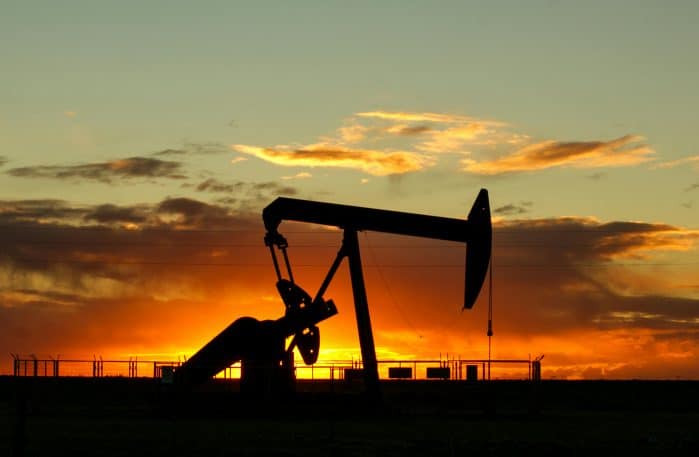
China Retreats: Iranian Crude Oil Imports Plunge 40% Amid US Pressure
The consequences for the energy market are profound. As Iranian supply to China diminishes, the global crude oil market is bracing for impact, with analysts forecasting a new all-time high for crude oil prices by September 30, driven by supply constraints and heightened market volatility.

Regulatory Exodus? Gate Europe CEO Warns MiCA Compliance Costs Could Force Crypto Firms Out of EU
This trend highlights a growing divide in the digital asset sector, where the high barrier to entry created by MiCA favors only the most well-capitalized entities. As regulatory requirements intensify, the industry faces a potential consolidation phase, where the ability to absorb operational costs becomes more critical than technological innovation itself.
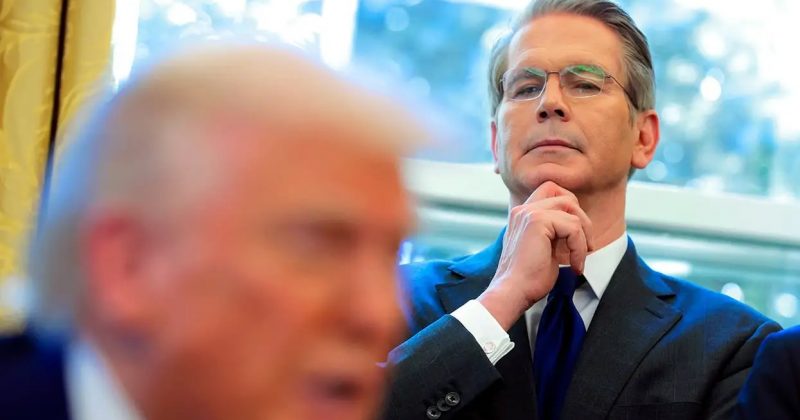
US and China Set High-Stakes AI Summit for September Led by Treasury Secretary
This diplomatic push represents a significant effort to prevent technological decoupling from turning into uncontrolled conflict. As the US and China navigate the complexities of artificial intelligence, the outcome of these talks will likely shape global AI safety standards and influence international tech markets.

Oil Surges Near $90: Why is Bitcoin Holding Strong Above $66,000?
While geopolitical tensions involving US-Iran ceasefire proposals cause fluctuations in oil prices, the Bitcoin price action has remained robust, navigating an intraday range between $63,100 and $66,313. This decoupling suggests that the Bitcoin market may be reacting to unique liquidity drivers rather than following the inflationary pressures typically associated with rising oil costs.
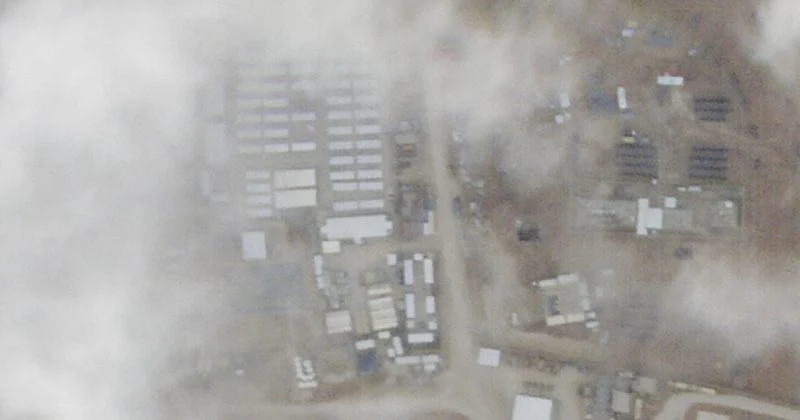
Geopolitical Crisis: US Troops Killed in Jordan Strike Amid Rising Middle East Tensions
With reports suggesting a potential full airspace closure in Iran by August 31, the threat of a broader regional conflict looms large. This heightened uncertainty is expected to drive significant volatility across crypto markets, as traders react to the shifting landscape of global security and potential energy supply disruptions.
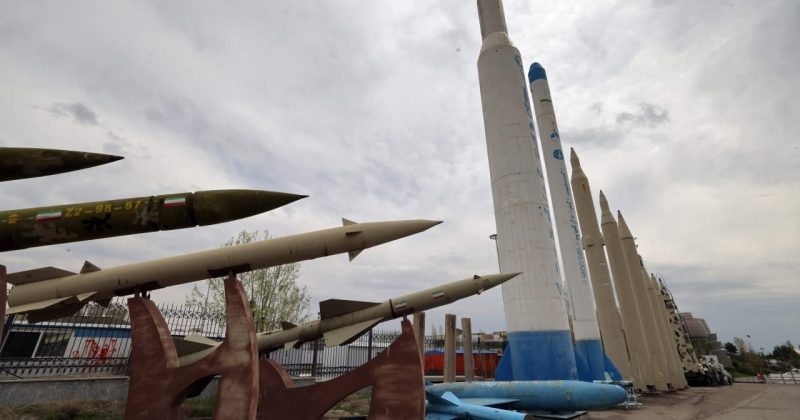
Geopolitical Flashpoint: Iran Strikes U.S. Positions with Missiles and Drones Amid Rising Conflict
With a full airspace closure projected by July 31, the logistical and economic ramifications could be profound. As uncertainty grows, the crypto market remains highly sensitive to such macro events, often seeing a flight to quality or increased volatility in response to sudden military escalations.
