Geopolitical Alert: Iran Rejects US Deal Amid Escalating Tensions
Iran has taken a hardline stance, officially vowing no understanding with the United States as bilateral tensions reach a breaking point. This refusal to engage in diplomatic dialogue threatens to dismantle ongoing peace efforts and could trigger a significant escalation in regional conflict.
Beyond the immediate political fallout, this deadlock is expected to disrupt global economic forecasts and heighten market volatility. As the Iran-US tension intensifies, the lack of a diplomatic breakthrough poses a direct threat to regional stability and international trade security.
Iran's rigid stance may hinder diplomatic resolutions, affecting regional stability and economic forecasts amid ongoing US-Iran tensions. The nation has signaled a complete lack of willingness to reach an understanding with Washington, a move that complicates the geopolitical landscape and increases the likelihood of sudden market shifts driven by regional instability.
This is a summarized and adapted version by Artificial Intelligence. To read the complete original story, visit the official source.
Read Full Article at Crypto BriefingSupport Jornal Bitcoin
Independent journalism, curated by AI, no clickbait. Keep the flame alive with any amount of BTC.
jonata@walletofsatoshi.comDaily Crypto Brief 📬
Subscribe to receive the curation of the most important Bitcoin and crypto news, summarized by AI. No spam.
Join more than 10,000 smart readers.
Related News
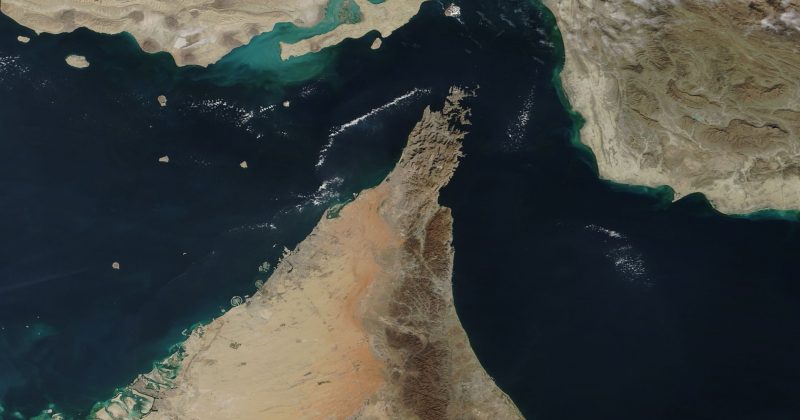
Hormuz Breakthrough? Iran and Oman Push for Agreement to Restart US Peace Talks
Beyond regional diplomacy, the success of this agreement could significantly impact U.S.-Iran relations and broader economic stability. For the crypto market and global investors, a reduction in Middle East tensions often translates to a shift in risk appetite, making this development a key indicator for future macroeconomic trends.

Bitcoin drops 2% after U.S. close as Korea’s Kospi plunges 10%
As sentiment turns across major exchanges, traders are recalibrating liquidity and exposure, pulling BTC into the same macro-driven volatility seen in equities. In this setup, Bitcoin’s next move looks increasingly tied to risk-on/risk-off flows, with market correlation and liquidity under close watch.

Geopolitical Calm: US-Iran Tensions Ease, Sending Oil Prices Lower
As tensions remain low for the fourth consecutive night, the likelihood of sudden price spikes has diminished significantly. This stabilization offers a window for market participants to reassess macroeconomic trends without the immediate threat of conflict-driven supply disruptions.
Coinbase CEO Brian Armstrong Demands Senate Action: The CLARITY Act is at the One-Yard Line
The push for the CLARITY Act comes as the industry seeks much-needed regulatory certainty to foster innovation. By securing this legislative victory, the United States could solidify its global leadership in crypto, providing a stable framework that balances security with the rapid evolution of blockchain technology.

Crisis Escalates: Iran Executes Three Protesters in Isfahan Amid Widespread Unrest
These executions are expected to intensify domestic unrest and trigger heightened international scrutiny from global powers. Such geopolitical pressure could serve as a catalyst, potentially accelerating major political shifts within Iran's leadership as the nation faces unprecedented internal and external tension.

Oil Prices Slump as Geopolitical Tensions Ease: Will the Fed Pivot?
The perceived pause in the US-Israel-Iran conflict is the primary driver behind this market shift, directly impacting how the Federal Reserve (Fed) might approach future interest rate decisions. As geopolitical tensions fluctuate, the correlation between commodity prices and central bank policy remains a critical focal point for market stability.
