Is an Old iPhone Safer Than a Hardware Wallet? ZachXBT’s Controversial Take Splits Crypto Community
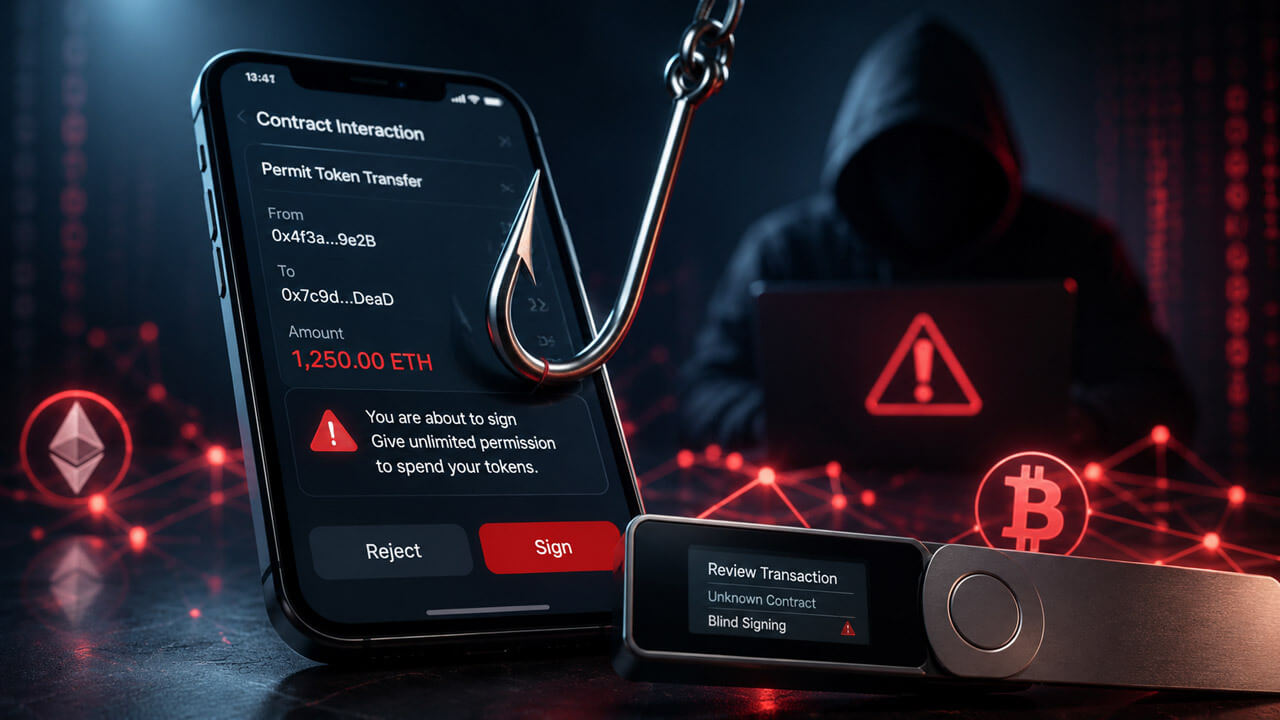
A provocative debate regarding digital security is sweeping the crypto space after prominent investigator ZachXBT argued that a dedicated old iPhone might offer better protection than a standard hardware wallet. The core of his reasoning posits that since both devices act fundamentally as signing devices, the true vulnerability lies in the power a valid signature grants once it is broadcast to the network.
This controversial stance challenges the long-held industry belief that hardware wallets are the ultimate shield for digital assets. By shifting the focus from the physical device to the consequences of a signature, ZachXBT highlights a critical gap in how the crypto community perceives security and smart contract permissions.
This perspective suggests that the industry's obsession with securing the private key may be overlooking the broader risks associated with signature authority. If the danger lies in the actions enabled by a signature rather than the hardware used to produce it, the current security paradigm for self-custody may require a radical rethink.
This is a summarized and adapted version by Artificial Intelligence. To read the complete original story, visit the official source.
Read Full Article at CryptoSlateSupport Jornal Bitcoin
Independent journalism, curated by AI, no clickbait. Keep the flame alive with any amount of BTC.
jonata@walletofsatoshi.comDaily Crypto Brief 📬
Subscribe to receive the curation of the most important Bitcoin and crypto news, summarized by AI. No spam.
Join more than 10,000 smart readers.
Related News

2026 World Cup Drama: The Massive Crypto Sideshow Taking Over the Pitch
However, the long-term impact of this integration remains a subject of intense debate among industry experts. While the hype surrounding the 2026 World Cup provides a perfect stage, the true test will be whether blockchain in sports can maintain its momentum and sustainability once the tournament concludes.

Coding Without Code: How 'Vibecoding' is Disrupting the Brazilian Developer Scene
In Brazil, the adoption of this trend is surging among startups, independent developers, and even blockchain projects. By leveraging AI-driven development, these players are significantly reducing time-to-market and lowering the technical barriers to entry for complex digital innovations.

Base Shakeup: Jesse Pollak Steps Down Following Social Strategy Failure
Moving forward, Base is shifting its core focus toward high-utility sectors, specifically targeting payments, trading, and AI agents. This strategic pivot is designed to navigate the intensifying competition among crypto platforms and drive deeper technical adoption.

Tokenized Stocks Market Hits All-Time High of $2.3 Billion
Network dominance remains a key metric, with Ethereum capturing 34% of the market share, followed by BNB Chain and Solana. Major players like Kraken and Binance are fueling this momentum through their respective tokenized offerings, while Ondo Finance continues to lead the industry as the premier issuer of onchain equities, solidifying the dominance of Real World Assets (RWA) in the crypto space.
Battle of Visions: ARK Invest Rejects a16z Claim That TradFi Will Shun DeFi
Valente contends that public blockchains are already outperforming private blockchain initiatives, pointing to the massive growth of tokenized assets on the Ethereum network. The ARK research suggests that the next generation of financial infrastructure will be led by crypto-native giants like Circle and Coinbase, rather than legacy financial institutions.

Payment Revolution: SpendLayer Launches Multichain Rollout of BlockDebit Infrastructure
The expansion of the BlockDebit infrastructure is set to tackle liquidity fragmentation, a major hurdle for mainstream crypto adoption. By facilitating cross-chain interoperability, SpendLayer is building the essential rails needed to connect decentralized finance directly to real-world commerce and global merchant networks.
