Price War: Insurers Slash Rates to Capture Low-Risk Oil and Gas Projects
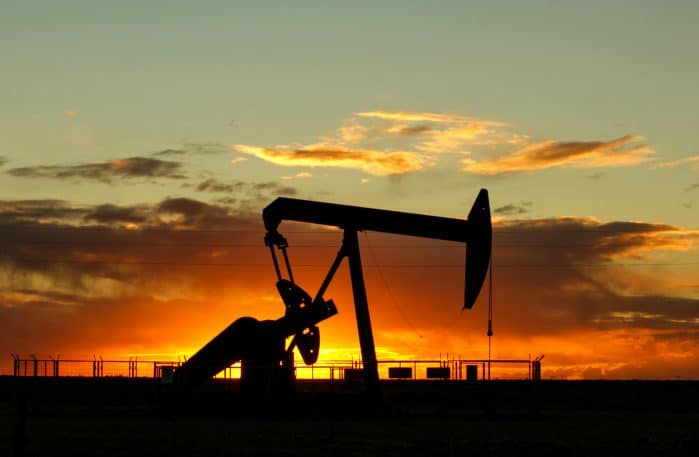
Insurers are initiating a strategic price reduction to aggressively target low-risk oil and gas projects. This tactical shift aims to secure high-quality assets in a competitive landscape, prioritizing stability and predictable returns in an increasingly complex global market.
As crude oil prices are forecasted to hit new all-time highs by September 30, the urgency for comprehensive insurance coverage in the energy sector is intensifying. This surge in commodity value creates a high-stakes environment where insurers must balance competitive pricing with the massive scale of upcoming energy infrastructure demands.
According to the Financial Times, insurers are cutting prices to attract low-risk oil and gas projects. This competitive maneuver is designed to capture market share in a sector seeing massive valuation shifts. With crude oil expected to reach a new all-time high by September 30, the demand for specialized insurance and risk management in the energy sector is set to reach unprecedented levels.
This is a summarized and adapted version by Artificial Intelligence. To read the complete original story, visit the official source.
Read Full Article at Crypto BriefingSupport Jornal Bitcoin
Independent journalism, curated by AI, no clickbait. Keep the flame alive with any amount of BTC.
jonata@walletofsatoshi.comDaily Crypto Brief 📬
Subscribe to receive the curation of the most important Bitcoin and crypto news, summarized by AI. No spam.
Join more than 10,000 smart readers.
Related News

Chelsea Shatters Records: Morgan Rogers Becomes Most Expensive British Player Ever in £117M Deal
This massive investment highlights Chelsea's relentless pursuit of elite talent and its willingness to break financial barriers. As the most expensive British player ever, Rogers' move is expected to trigger significant discussions regarding spending limits and the evolving economic landscape of the Premier League.

Dimon's Warning: Why the JPMorgan CEO is Avoiding Stocks Right Now
By stating he would avoid both stocks and long-term bonds at current valuations, Dimon is signaling a potential market correction. This stance suggests that current asset pricing fails to account for systemic risks, providing a sobering counter-narrative to the prevailing bullish sentiment in global markets.
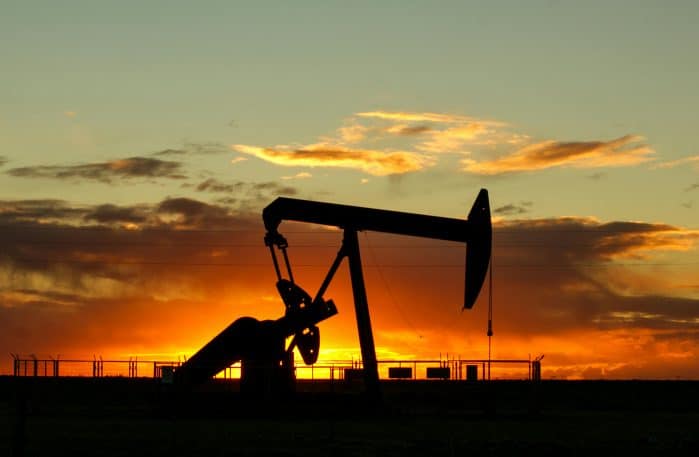
Brent Crude Surges Past $100: Middle East Conflict Ignites Oil Supply Fears
Market analysts are closely monitoring the situation, with some forecasting a potential new all-time high by December 31. As geopolitical tensions persist, the threat of supply shortages could trigger broader economic consequences, forcing a reevaluation of global energy security and commodity pricing strategies.
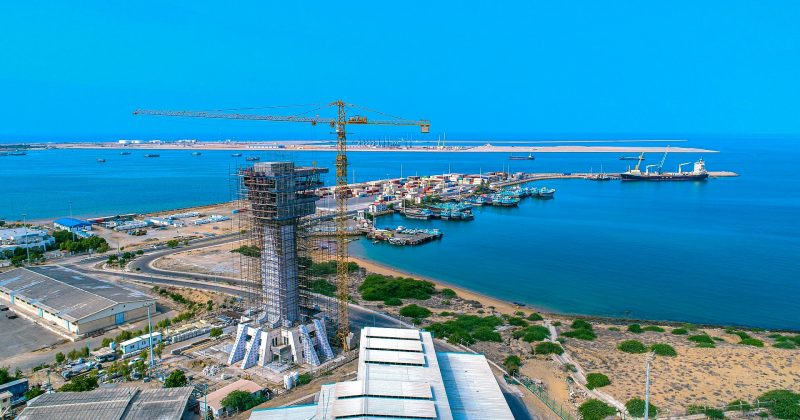
Geopolitical Flashpoint: US Airstrikes Hit Iranian Ports Amid Escalating Regional Attacks
With reports indicating a potential full airspace closure by July 31, the threat of a wider regional conflict is intensifying. Investors are advised to closely monitor how these geopolitical tensions impact global liquidity and the flight to safety as the situation evolves rapidly.
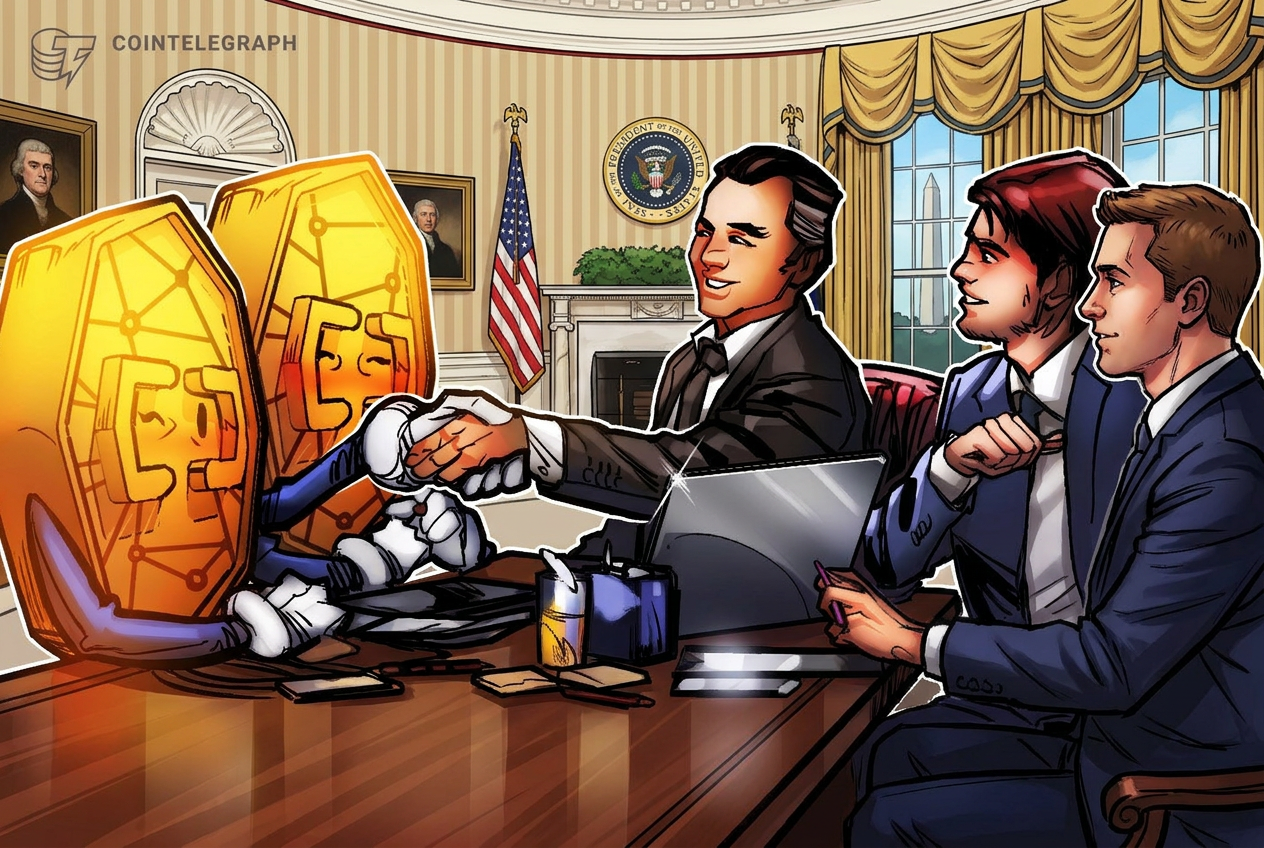
White House Ethics Deal Could Unlock CLARITY Act and Fuel Bitcoin Rally
Negotiations involving Republican Senators Cynthia Lummis and Bernie Moreno suggest a bipartisan push to refine the Digital Asset Market Clarity (CLARITY) Act. As the Senate prepares for a tight vote, the implications of this deal extend beyond regulation, with reports indicating that the new ethics language could even impact the personal crypto investments of President Donald Trump.

Russia Passes Crypto Law: $3,800 Annual Cap Set for Retail Investors
While Bitcoin remains unavailable for everyday consumer purchases, the law provides a critical loophole for corporations to utilize digital tokens to bypass international sanctions. By integrating blockchain technology into its economic defense, Russia aims to navigate global trade hurdles and maintain financial connectivity despite mounting geopolitical pressures.
