Injective Targets Institutional Capital with SEC Transfer Agent Filing for RWA Expansion

Injective has officially filed for SEC Transfer Agent registration, signaling a massive push into the regulated Real World Asset (RWA) sector. This strategic move is designed to bridge the gap between decentralized finance and institutional-grade compliance.
By securing this registration, Injective aims to provide the necessary legal framework for the seamless tokenization of traditional assets. This development is expected to trigger a surge in institutional liquidity as the platform becomes a compliant gateway for RWA integration on-chain.
Injective is making a major play for the institutional market by filing for registration as a Transfer Agent with the SEC. This move is specifically aimed at bolstering its capabilities in the Real World Asset (RWA) space, ensuring that the platform meets the stringent regulatory requirements of US financial authorities.
As the demand for on-chain tokenization grows, Injective's proactive approach to compliance positions it as a leader in the next wave of DeFi evolution. By addressing regulatory hurdles head-on, the protocol is preparing the ground for large-scale institutional adoption of tokenized assets.
This is a summarized and adapted version by Artificial Intelligence. To read the complete original story, visit the official source.
Read Full Article at BitcoinistSupport Jornal Bitcoin
Independent journalism, curated by AI, no clickbait. Keep the flame alive with any amount of BTC.
jonata@walletofsatoshi.comDaily Crypto Brief 📬
Subscribe to receive the curation of the most important Bitcoin and crypto news, summarized by AI. No spam.
Join more than 10,000 smart readers.
Related News
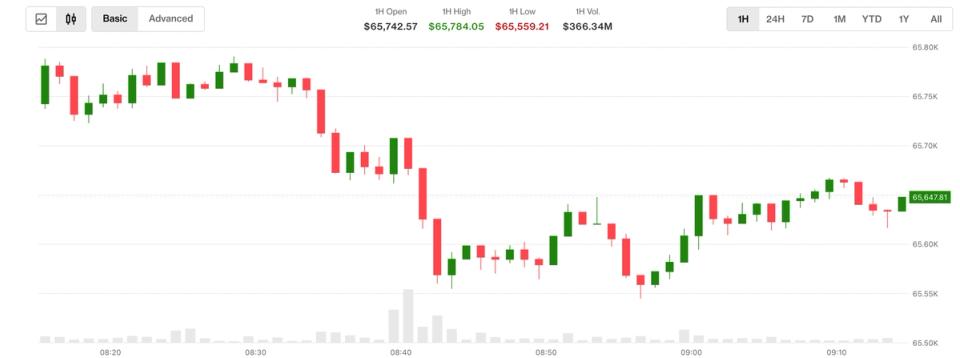
Bitcoin Wilts: Oil Surge, Rising Rates, and Regulatory Setbacks Hit Crypto Hard
This sudden shift in legislative momentum, combined with macroeconomic headwinds, is driving a flight to safety. As the crypto market grapples with these structural uncertainties and the evolving regulatory landscape in the US, the immediate outlook suggests continued volatility as traders recalibrate their positions.
Tech Giant Under Pressure: Google Hits $6B Cash Flow Deficit Amid AI Arms Race
As the world's second-largest company by market capitalization, Alphabet's ability to manage this AI spending surge will be crucial for its future stability. The market is closely watching whether this massive cash flow deficit will hinder innovation or if it is a necessary sacrifice to secure dominance in the next era of computing.
SEC Settlement: Coinbase Wins Legal Battle Over Missing Gary Gensler Texts
The settlement follows a damning report revealing that the SEC lost nearly a year of text messages from former Chair Gary Gensler due to 'avoidable errors' in record-keeping. This failure by the very agency tasked with policing corporate transparency has provided Coinbase with significant leverage, highlighting systemic flaws in the regulator's data retention policies during its most aggressive anti-crypto campaign.
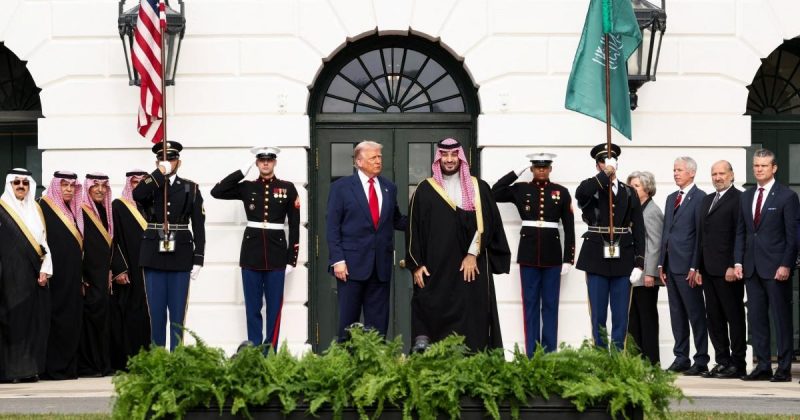
US-Saudi Nuclear Deal: Could Uranium Enrichment in the Middle East Trigger a Crisis?
As the implications of this deal unfold, attention is also turning toward the complexities of Iran reconstruction funding within broader US-Iran diplomatic frameworks. The convergence of nuclear policy, regional stability, and international energy security presents a high-stakes environment for global markets and political leaders alike.
The RWA Paradox: Why Tokenized Assets Are Stalling Despite the Hype
The core challenge lies in the absence of a unified global infrastructure. For blockchain-based investments to become a staple in diversified portfolios, the industry must overcome the divide between various Layer 1 protocols and establish seamless systems that allow capital to move fluidly across disparate ecosystems.

Geopolitical Shockwave: Polymarket Prices Trump Out-by-July at 45% as Pentagon Issues Iran War Briefing
This development underscores the volatile link between Middle East instability and American electoral certainty. As the threat of conflict looms, investors and analysts are closely watching how these geopolitical stressors influence market sentiment and the potential trajectory of the upcoming US elections.
