India Orders Oil Giants to Ramp Up LPG Production as Middle East Tensions Spike
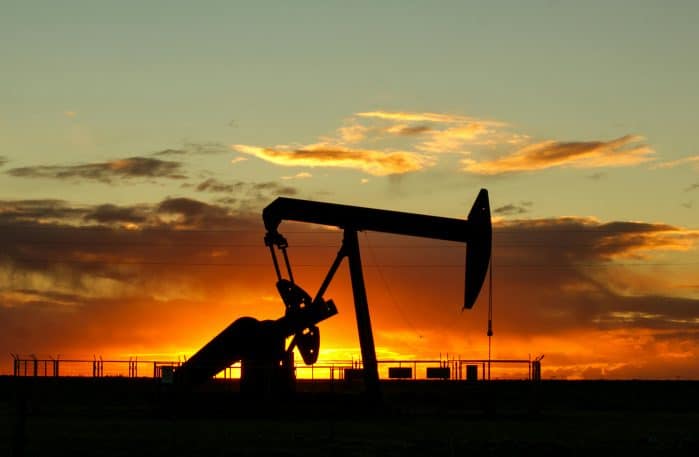
India has issued a direct mandate to domestic oil firms to significantly boost LPG production, a strategic move aimed at securing energy independence amidst escalating geopolitical instability in the Middle East. This policy shift signals a critical shift in global energy dynamics as the nation seeks to insulate itself from supply shocks and volatile market fluctuations. By prioritizing domestic output, India aims to exert greater influence over global oil prices and reduce reliance on volatile foreign imports. The directive comes at a time of heightened regional conflict, making energy security a top priority for the government as it navigates the complex interplay between domestic industrial needs and international market pressures.
This is a summarized and adapted version by Artificial Intelligence. To read the complete original story, visit the official source.
Read Full Article at Crypto BriefingSupport Jornal Bitcoin
Independent journalism, curated by AI, no clickbait. Keep the flame alive with any amount of BTC.
jonata@walletofsatoshi.comDaily Crypto Brief 📬
Subscribe to receive the curation of the most important Bitcoin and crypto news, summarized by AI. No spam.
Join more than 10,000 smart readers.
Related News
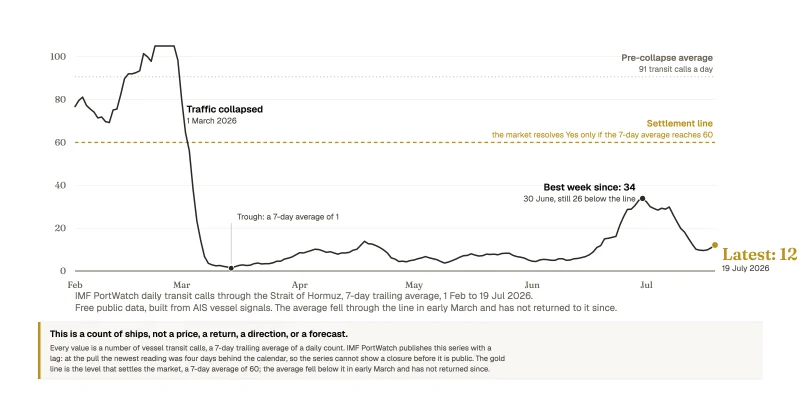
Hormuz Crisis: Global Trade Routes Face Critical Vulnerabilities
This vulnerability in the world's most important maritime corridor for oil and other commercial commodities reignites debates about the need for logistical alternatives. Investors and corporations are reevaluating supply chain strategies, while the cryptocurrency market emerges as a potential decentralized solution to mitigate disruption risks in traditional financial systems.
Trump Halts All Iran Negotiations, Sending Global Markets into Turmoil
Florida votes in special Senate primary to fill Rubio's term

Perplexity's India Revenue Surges 60% After Airtel Promotion Ends
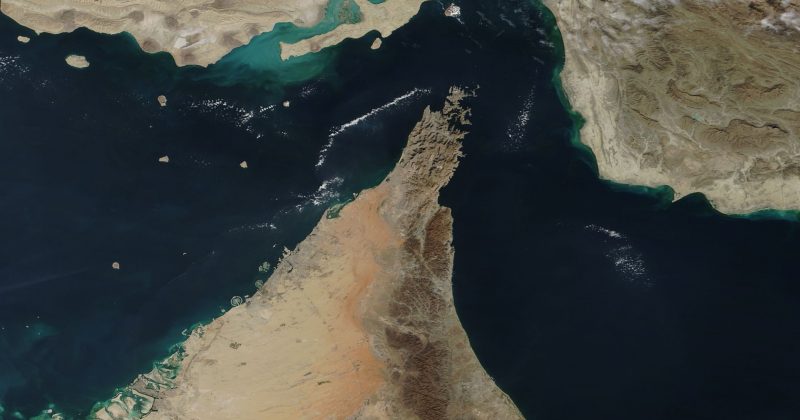
Iran Keeps Strait of Hormuz Closed Until US Meets Deal Conditions
The continued blockade of the Strait of Hormuz, responsible for approximately 20% of global oil traffic, creates instability in oil prices and raises concerns about global energy security. While Tehran uses this strategy as diplomatic leverage, analysts warn of the risk of a broader crisis that could affect not only financial markets but also regional stability and global supply chains.
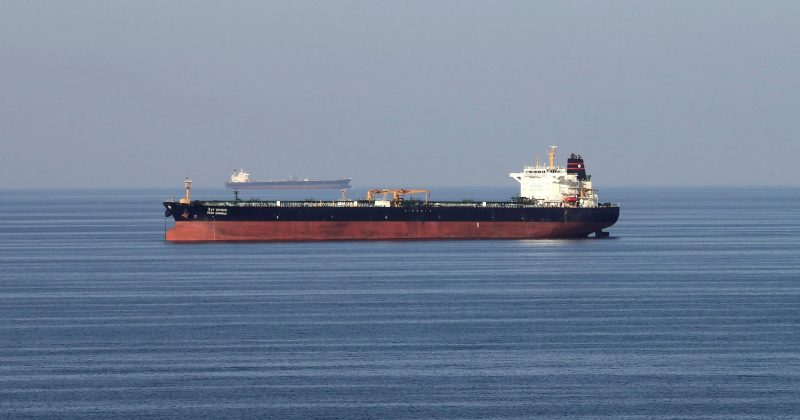
Chinese Shipping Giants Halt Oil Tanker Operations in Strategic Straits
The disruption of oil flow through these vital maritime corridors is having profound effects on global economic forecasts, with analysts predicting volatility in oil prices and potential impacts on post-pandemic economic recovery. The cryptocurrency sector, often viewed as a safe haven during times of economic uncertainty, may benefit from this instability as investors seek alternatives to traditional markets.
