Ibovespa Surges 3.5% in July After Four Consecutive Months of Losses
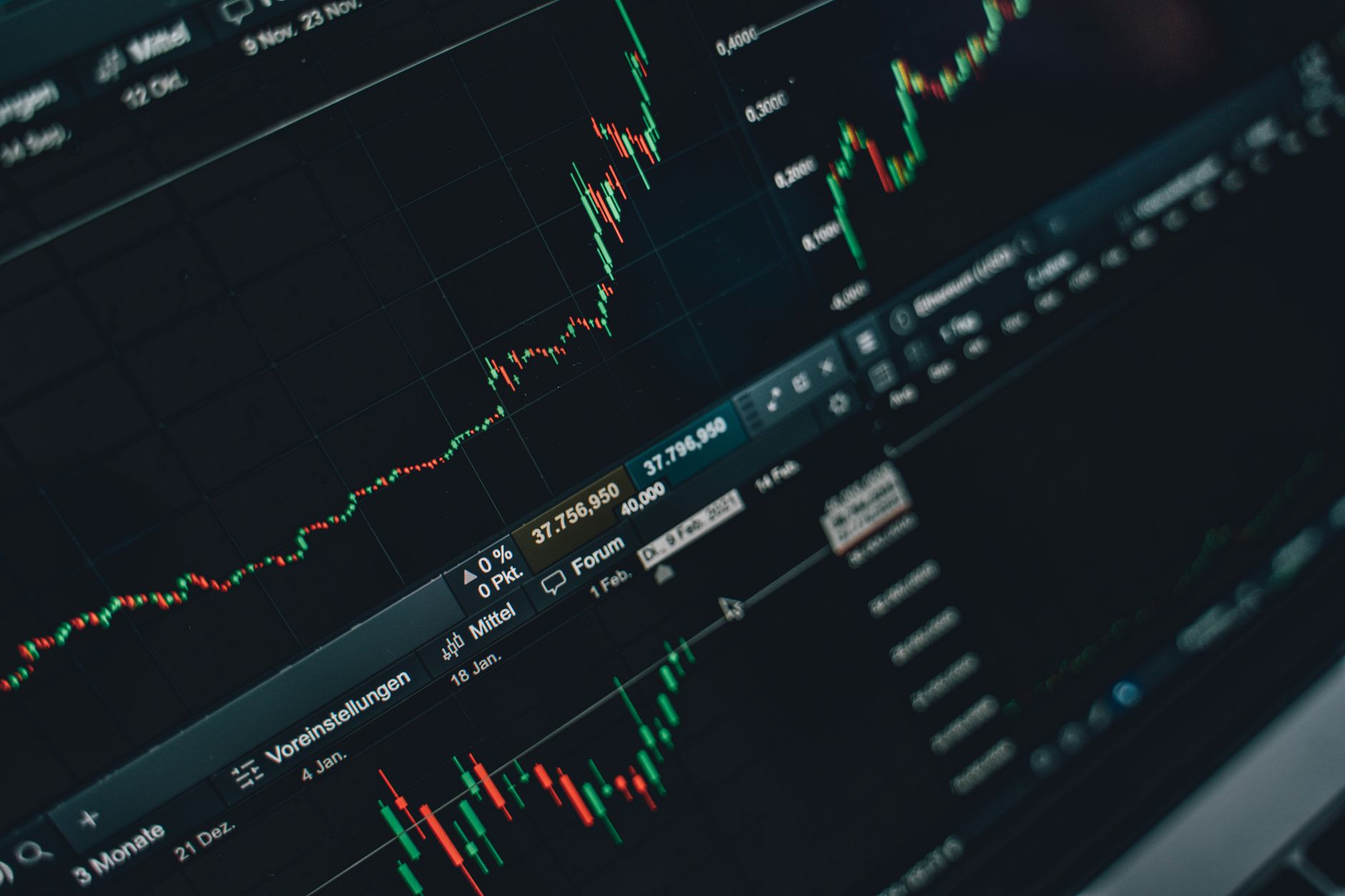
After four consecutive months of losses, the Ibovespa closed July with an impressive 3.47% gain, marking a significant recovery in the Brazilian market. This turnaround was driven by three key factors: positive foreign capital inflow, bets on a Selic rate cut, and a weaker dollar. The index's performance reflects investor optimism about the Brazilian economy, with foreign capital playing a crucial role. The expectation of interest rate cuts and the appreciation of the real against the dollar have created a favorable environment for local stocks, indicating a possible continuation of this recovery trend in the coming months.
This is a summarized and adapted version by Artificial Intelligence. To read the complete original story, visit the official source.
Read Full Article at BlockTrendsSupport Jornal Bitcoin
Independent journalism, curated by AI, no clickbait. Keep the flame alive with any amount of BTC.
jonata@walletofsatoshi.comDaily Crypto Brief 📬
Subscribe to receive the curation of the most important Bitcoin and crypto news, summarized by AI. No spam.
Join more than 10,000 smart readers.
Related News

Pump.fun Fires Workers Before They Could Claim Millions in PUMP Tokens
Tether's $1.5B Treasury Windfall Fuels Record Quarter Amid Crypto Chaos
This exceptional performance comes amid a challenging period for the cryptocurrency sector, including weakening stablecoin markets and ongoing industry-wide volatility. Tether's strategic focus on US government securities has proven highly profitable, boosting confidence in the world's most widely used stablecoin. The substantial reserve surplus provides crucial stability for both the company and its users during turbulent market conditions, highlighting the effectiveness of Tether's conservative investment approach.
BOJ Makes Major Move to Save Yen as it Plunges Toward 160
This intervention marks an unprecedented move by the BOJ to protect the value of the yen, which has faced constant selling pressure due to divergent monetary policies between Japan and other nations. The decision to maintain rates despite the intervention suggests the central bank is balancing the risks of currency depreciation with the need to support Japan's fragile economic recovery, at a time of global instability in forex markets.

Dubai Crypto Exchange Tied to $4 Billion Iran Sanctions Evasion Network

NYSE Parent ICE Acquires MarketAxess for $5.7B in Bold Move to Dominate Bond Trading

Central Banks Complete $1M Tokenized Payment Trials - Is This the Future of Finance?
The trial settled transactions in Swiss francs, euros, pounds sterling, Japanese yen, South Korean won, and US dollars with an average settlement time of just 80 seconds—significantly faster than traditional banking systems. This successful experiment signals a major step toward the mainstream adoption of digital currencies in global finance, potentially reducing costs and increasing efficiency in cross-border payments. The involvement of prestigious central banks and financial institutions lends credibility to the technology and suggests we may be approaching a paradigm shift in how international transactions are processed.
