IA de Google e OpenAI entra na rede militar secreta do Pentágono
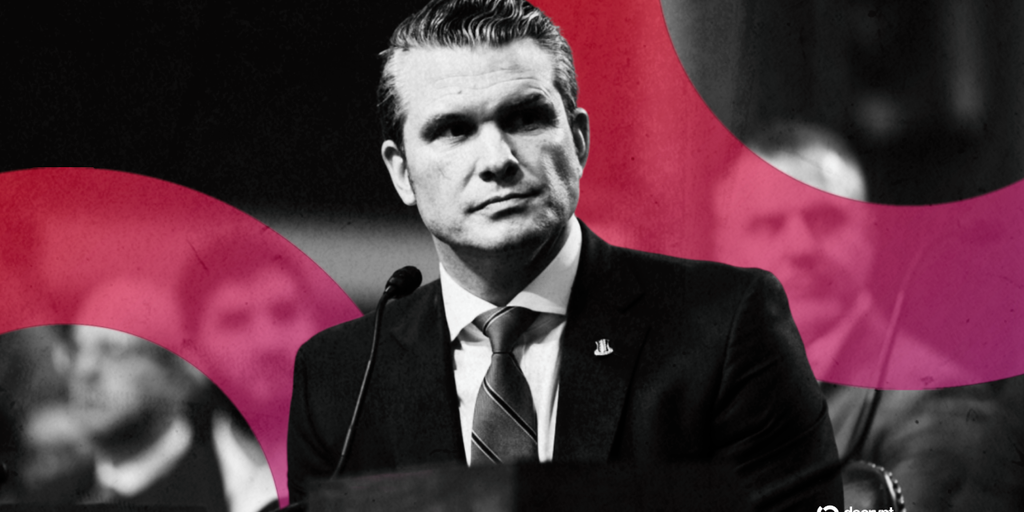
O Pentágono firmou acordos estratégicos com gigantes da tecnologia como Google, OpenAI, Nvidia, Microsoft e Amazon, permitindo que algoritmos de inteligência artificial operem em redes militares de alta segurança. Essa colaboração entre setor privado e defesa nacional impulsiona o desenvolvimento de sistemas de inteligência artificial militar, alterando o panorama da segurança cibernética e da guerra moderna.
This is a summarized and adapted version by Artificial Intelligence. To read the complete original story, visit the official source.
Read Full Article at DecryptSupport Jornal Bitcoin
Independent journalism, curated by AI, no clickbait. Keep the flame alive with any amount of BTC.
jonata@walletofsatoshi.comDaily Crypto Brief 📬
Subscribe to receive the curation of the most important Bitcoin and crypto news, summarized by AI. No spam.
Join more than 10,000 smart readers.
Related News

Callosum Technologies' Chip Combo Could Revolutionize AI Workloads
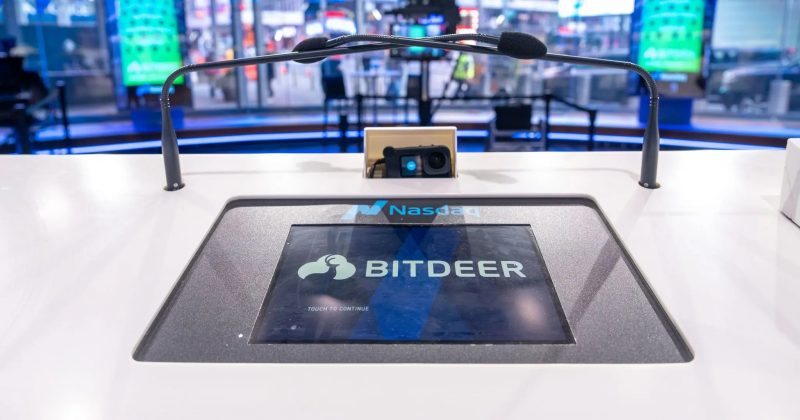
Bitdeer secures $400M five-year deal for AI cloud facility in Malaysia
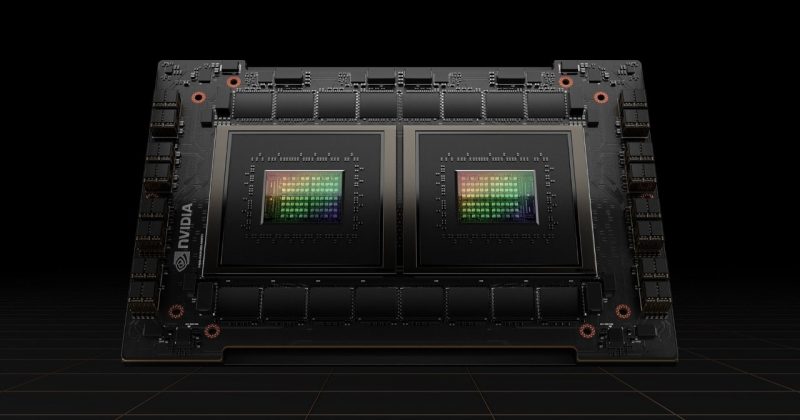
Nvidia's Data Centers Exceed Power Promises, Sparking AI Energy Crisis Fears
The exponential rise in energy demand from AI data centers presents an unprecedented challenge to power grids, compelling companies and governments to rethink infrastructure development strategies and energy policies. As the race for AI leadership intensifies, energy consumption has emerged as a critical factor that could determine the economic and sustainable viability of artificial intelligence's future.
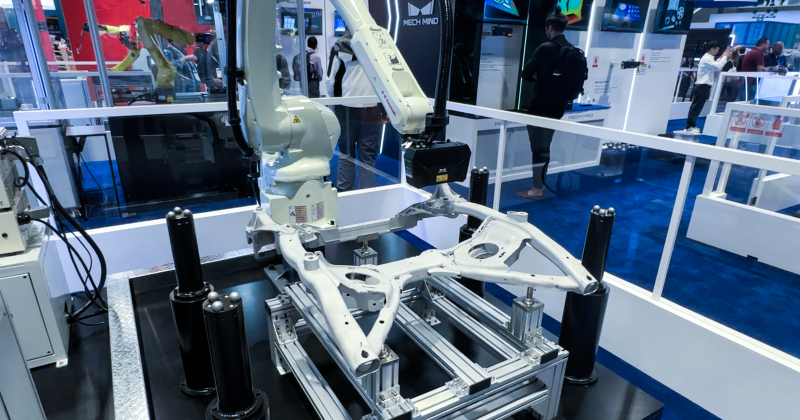
Mech-Mind Robotics poised for $300M Hong Kong IPO amid AI robotics boom

OKX spends $6M-$8M monthly on AI while restricting Claude use in Hong Kong
This move by OKX underscores the growing importance of AI in the cryptocurrency sector and may pose a challenge to Anthropic's market positioning in regions with stringent regulations. While the company seeks technological innovation, it also navigates geopolitical and compliance challenges, reflecting the tension between global AI adoption and regional restrictions that could shape the future of fintechs and crypto exchanges.