Prediction Market War: Hyperliquid Challenges Polymarket with $32M Stake Requirement

Hyperliquid is officially entering the prediction market arena with a high-stakes proposal designed to disrupt Polymarket's dominance. The proposed HIP-4 upgrade will allow external operators to deploy custom prediction markets on its native blockchain, fundamentally shifting the competitive landscape of decentralized forecasting.
To ensure network integrity, Hyperliquid is implementing a massive barrier to entry: each deployer must stake 500,000 HYPE tokens, totaling roughly $32 million. This strategic move forces developers to have significant 'skin in the game,' positioning Hyperliquid as a high-security, capital-intensive alternative to existing prediction market protocols.
Hyperliquid is launching a direct challenge to Polymarket's supremacy in the prediction market sector. Through the proposed HIP-4 upgrade, the platform plans to allow external operators to build and manage their own prediction markets on its blockchain. However, this opportunity comes with a staggering financial requirement to ensure ecosystem stability.
Prospective deployers will be required to stake 500,000 HYPE tokens, a move valued at approximately $31.7 million based on recent market prices. By mandating such a significant capital commitment, Hyperliquid aims to foster a professionalized environment of high-integrity market builders, directly competing with the current market leader, Polymarket.
This is a summarized and adapted version by Artificial Intelligence. To read the complete original story, visit the official source.
Read Full Article at CryptoSlateSupport Jornal Bitcoin
Independent journalism, curated by AI, no clickbait. Keep the flame alive with any amount of BTC.
jonata@walletofsatoshi.comDaily Crypto Brief 📬
Subscribe to receive the curation of the most important Bitcoin and crypto news, summarized by AI. No spam.
Join more than 10,000 smart readers.
Related News

Polymarket Odds Crash as Iran's Hormuz Attacks Fuel Geopolitical Uncertainty
The sudden drop in odds underscores the heightened risk premium being applied to global shipping routes. As prediction markets react to these military escalations, the volatility highlights how geopolitical instability directly influences decentralized forecasting platforms and global energy security concerns.

Institutional Breakthrough: Chainlink CCIP Selected for Central Bank Digital Asset Pilots
This development addresses one of the biggest hurdles in the digital asset space: liquidity fragmentation. By leveraging Chainlink CCIP, central banks are paving the way for a seamless flow of value across disparate networks, bridging the gap between traditional finance and the burgeoning world of decentralized digital assets.

Robert Kiyosaki's Survival Plan: What He'd Do With Only $10,000
This strategy emphasizes the critical role of self-investment and skill acquisition as the primary drivers of financial recovery. By prioritizing high-value knowledge over immediate market exposure, Kiyosaki suggests that mastering the mechanics of cash flow is far more vital than chasing the volatility of the crypto market or the stability of real estate during a total reset.

LSE to Launch Overnight Trading by 2027 to Combat Crypto and Tokenized Equity Surge
This move is a direct defensive maneuver against the rising dominance of crypto markets and tokenized equity platforms that offer seamless 24/7 liquidity. As traditional finance faces pressure to modernize, the LSE's expansion into overnight sessions highlights the urgent need for legacy exchanges to adapt to a digital-first, around-the-clock global economy.

Race Against Time: CLARITY Act Faces Decisive Senate Week Before August Recess
This legislative stagnation comes at a dangerous time for US dominance, as Russia moves aggressively to establish its own crypto framework. The pressure is mounting on the Senate to act before the recess, as the delay in the CLARITY Act could shift the global balance of power in the digital asset sector.
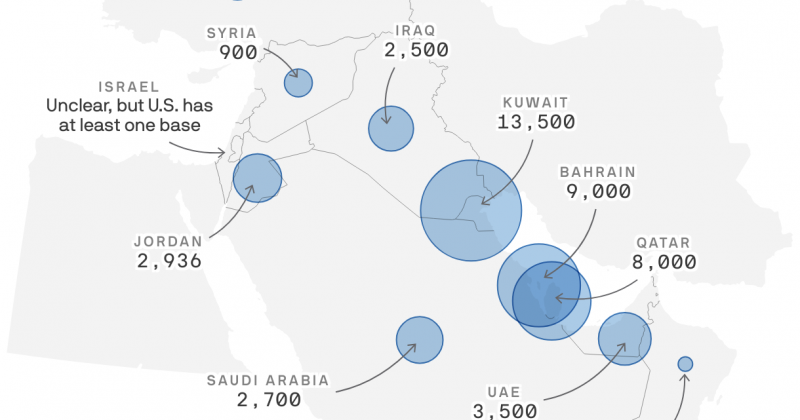
Geopolitical Escalation: US Confirms Troops Killed in Iran Attack, Launches Retaliatory Strikes
This military escalation coincides with critical logistical shifts, as the full closure of Iranian airspace is anticipated by July 31. As geopolitical instability rises, crypto markets and macro analysts are bracing for potential volatility and shifts in global liquidity driven by these sudden military developments.
