HSBC, Standard Chartered Execute First Live Transaction on Swift Blockchain Ledger

HSBC and Standard Chartered have completed the first live cross-border transaction on Swift's blockchain-based ledger, demonstrating interoperability between the banks' tokenized deposit systems. This milestone marks a significant step toward achieving interoperable, 24/7 cross-border payments in the global financial system.
The transaction involved payment messages exchanged between the two banks through Swift's ledger, with resulting obligations recorded on HSBC's Tokenised Deposit Service and Standard Chartered's tokenized deposit infrastructure. Swift's ledger functioned as an orchestration layer, matching and netting obligations between banks before final settlement through existing payment systems, representing a major advancement for blockchain interoperability and banking innovation.
This is a summarized and adapted version by Artificial Intelligence. To read the complete original story, visit the official source.
Read Full Article at CoinTelegraphSupport Jornal Bitcoin
Independent journalism, curated by AI, no clickbait. Keep the flame alive with any amount of BTC.
jonata@walletofsatoshi.comDaily Crypto Brief 📬
Subscribe to receive the curation of the most important Bitcoin and crypto news, summarized by AI. No spam.
Join more than 10,000 smart readers.
Related News

GnosisDAO Approves Gnosis Chain Transition to Ethereum Economic Zone Rollup
This strategic shift will enable Gnosis Chain to settle transactions directly on Ethereum, retiring its independent validator set and transforming into a layer-2 solution. The transition represents a significant move toward interoperability and scalability within the Ethereum ecosystem, strengthening Gnosis's position as an integral part of the DeFi and Web3 infrastructure.
Crypto network votes to abandon standalone blockchain, unlocking 27% of token supply
Trump Opens Bitcoin Door as US Debt Blows Past $40 Trillion
With US public debt more than doubling since Trump took office, Bitcoin adoption represents a potential alternative for investors and governments seeking financial diversification. The move could accelerate institutional crypto adoption and reshape the global digital asset landscape, as the world watches how the relationship between politics and cryptocurrency evolves amid an unprecedented debt crisis.

OKX spends $6M-$8M monthly on AI while restricting Claude use in Hong Kong
This move by OKX underscores the growing importance of AI in the cryptocurrency sector and may pose a challenge to Anthropic's market positioning in regions with stringent regulations. While the company seeks technological innovation, it also navigates geopolitical and compliance challenges, reflecting the tension between global AI adoption and regional restrictions that could shape the future of fintechs and crypto exchanges.
Trump Urges Congress to Legitimize Crypto in Potential Game-Changing Legislation
Trump's legislative push could accelerate institutional adoption of cryptocurrencies, attract significant capital inflows, and set a precedent for regulatory frameworks worldwide. With the crypto market valued in the billions, this potential legislation would bring much-needed legal clarity, potentially fueling financial innovation across the United States and creating new opportunities for blockchain technology to flourish under defined regulatory boundaries.
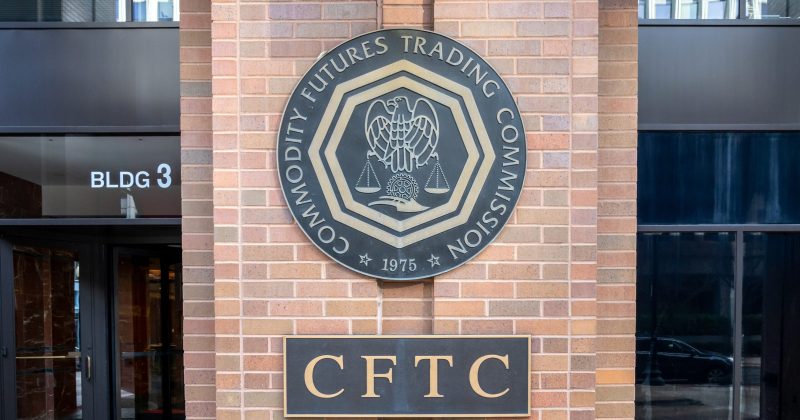
CFTC Chairman Signals Major Shift Toward Financial Innovation Before Landmark Meeting
The CFTC's initiative represents a calculated response to the growing demand for regulatory clarity in both crypto and traditional finance sectors. By adopting a more flexible and collaborative posture, the agency aims to balance investor protection with technological innovation promotion. This paradigm shift will not only strengthen the U.S. position as a global fintech hub but also establish a new standard for financial market governance worldwide, with profound implications for crypto exchanges, stablecoins, and blockchain infrastructure.
