Hong Kong Negative Equity Mortgages Plummet 61.9% by June 2026

Negative equity residential mortgages in Hong Kong have sharply declined to 4,356 cases by June 2026, representing a significant 61.9% drop from Q1, according to Hong Kong Monetary Authority (HKMA) data. This substantial reduction in mortgage risk signals a remarkable recovery in the region's property market, with property prices stabilizing or increasing across the board.
The steep decline in negative equity mortgages reflects improving economic conditions and a strengthening real estate market in Hong Kong. For investors and residents alike, this positive trend suggests a more stable environment for property transactions and reduced risk of asset devaluation. The Hong Kong Monetary Authority continues to closely monitor the real estate sector to ensure the region's financial stability.
This is a summarized and adapted version by Artificial Intelligence. To read the complete original story, visit the official source.
Read Full Article at Blockchain.newsSupport Jornal Bitcoin
Independent journalism, curated by AI, no clickbait. Keep the flame alive with any amount of BTC.
jonata@walletofsatoshi.comDaily Crypto Brief 📬
Subscribe to receive the curation of the most important Bitcoin and crypto news, summarized by AI. No spam.
Join more than 10,000 smart readers.
Related News
Hong Kong Dollar Deposits Surge 0.9% as Renminbi Takes a Hit in June 2026

World's Largest Bitcoin Corporate Holder Books $8.2B Q2 Loss Amid Price Decline
This financial maneuver comes amid increasing scrutiny of MicroStrategy's aggressive bitcoin accumulation strategy. The massive loss underscores the inherent volatility of the cryptocurrency market and the company's significant exposure to price fluctuations. The cash reserve represents an attempt to balance its bold bitcoin strategy with financial stability to calm shareholder concerns.

Turkey Shuts Down 47,493 Illegal Betting Sites as Crypto Wallet Crackdown Intensifies
This crackdown represents a significant expansion of Turkey's war on unregulated gambling operations, with crypto wallets emerging as a repeated enforcement target. The initiative reflects a global trend of increased oversight over digital financial activities, particularly when associated with high-risk industries. The scale of operations and volume of blocked websites indicates a strategic prioritization by Turkish authorities to combat what they view as a threat to public order and financial stability.
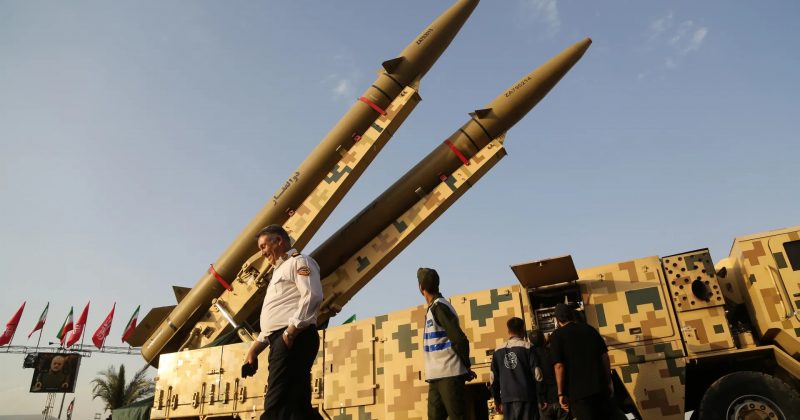
Iran Fires Ballistic Missiles at US Military Sites in Jordan, US Intercepts Surprise Attack
The Iranian aggression represents a turning point in regional power dynamics, with potentially broad consequences for both traditional and digital financial markets. Analysts warn that geopolitical uncertainty could drive demand for safe-haven assets like Bitcoin, while prediction markets register unprecedented volatility. Investors are closely monitoring government reactions and the potential for further escalation, which could affect not only cryptocurrency prices but also overall confidence in global financial markets.
IMF Warning: Brazil’s Crypto Boom Demands Immediate Regulatory Oversight
This move highlights the growing tension between rapid digital asset adoption and the need for a complete regulatory framework in Brazil. By pushing for enhanced oversight, the IMF aims to prevent systemic risks and ensure that the booming crypto sector does not undermine the country's broader financial stability and international compliance standards.

Red Sea Oil Blockade: Asia's Energy Crisis Threatens Global Market Stability
The long-term consequences of this blockade could permanently reshape global oil markets and future pricing dynamics. As energy scarcity intensifies, the impact extends far beyond Asia, posing a significant risk to international financial stability and global trade logistics.
