Blockchain.news

Hester Peirce Bate de Frente com a SEC: Desenvolvedores de Blockchain Não Devem Ser Regulados como Valores Mobiliários

June 4, 202607:05 PM
Hester Peirce Bate de Frente com a SEC: Desenvolvedores de Blockchain Não Devem Ser Regulados como Valores Mobiliários

A comissária da SEC, Hester Peirce, intensifica a oposição à aplicação de leis de valores mobiliários a criadores de software descentralizado, argumentando que tal medida ataca a liberdade de expressão digital. Essa posição estratégica reforça o debate sobre a regulação do setor, destacando que a descentralização deve ser um escudo contra a intervenção governamental excessiva. A luta de Peirce coloca em xeque a interpretação atual da SEC sobre a natureza das tecnologias blockchain e seus criadores.

This is a summarized and adapted version by Artificial Intelligence. To read the complete original story, visit the official source.

Read Full Article at Blockchain.news
QR Code Lightning

Support Jornal Bitcoin

Independent journalism, curated by AI, no clickbait. Keep the flame alive with any amount of BTC.

Wallet of Satoshi
jonata@walletofsatoshi.com

Daily Crypto Brief 📬

Subscribe to receive the curation of the most important Bitcoin and crypto news, summarized by AI. No spam.

Join more than 10,000 smart readers.

Related News
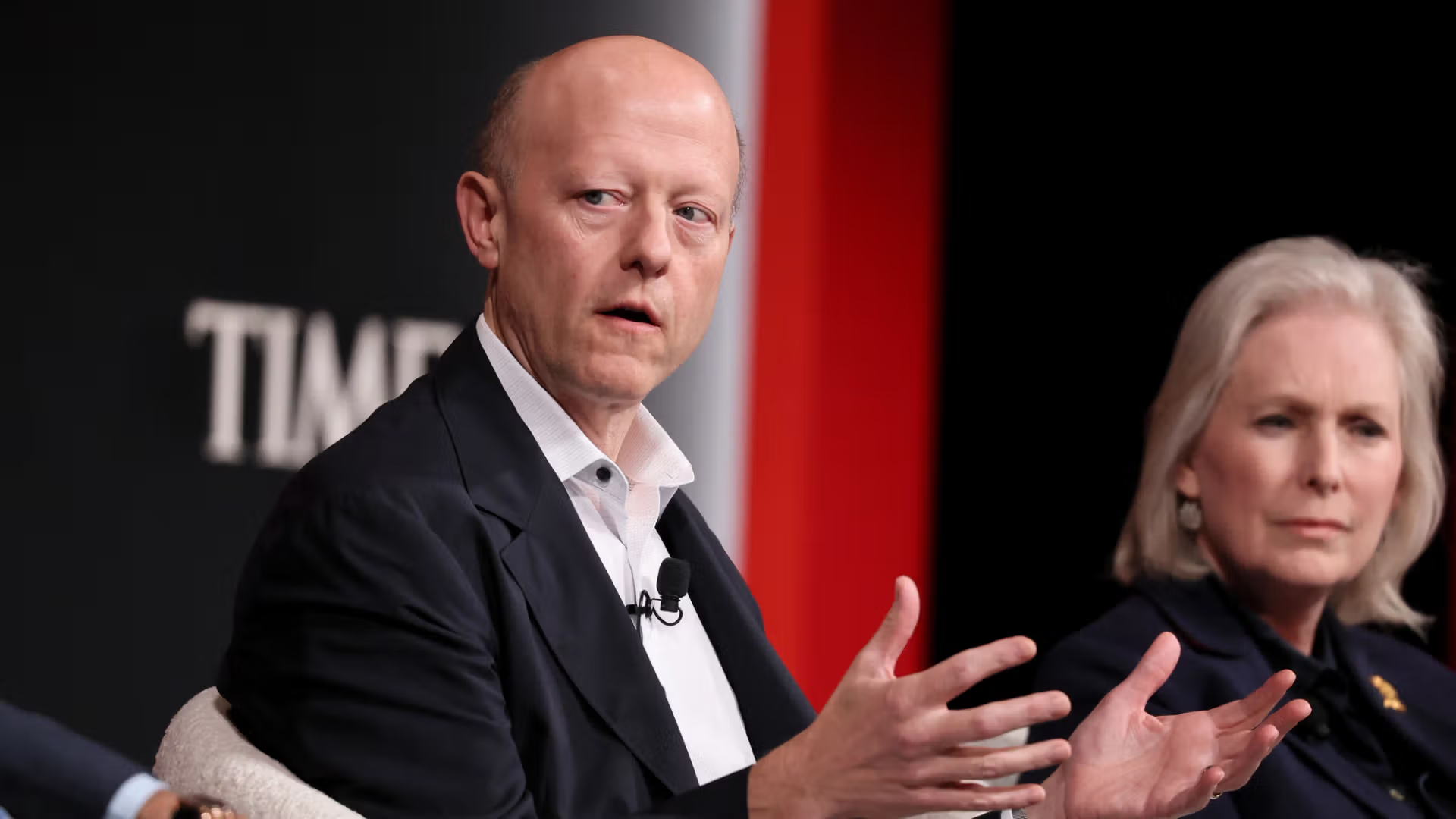
Circle slides after Morgan Stanley downgrade, cut in price target
CoinDesk

Circle slides after Morgan Stanley downgrade, cut in price target

Circle, the stablecoin issuer, is facing significant pressure following a Morgan Stanley downgrade and price target cut. The investment bank cited concerns about tokenized money market funds, Open USD, and slower USDC growth as factors that could weigh on the company's earnings.

This news comes at a critical time for the cryptocurrency ecosystem, where regulation and institutional adoption are in focus. The Morgan Stanley move could signal broader caution among major financial players regarding digital assets. USDC users and investors, one of the most popular stablecoins in the market, will be watching closely to see how the company responds and how this shift in perspective might affect confidence in the product and the sector as a whole.
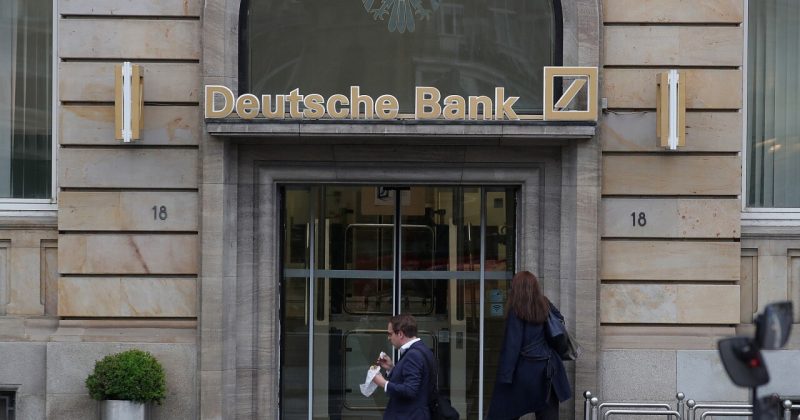
Deutsche Bank Sees Gold at $4,700, But the Real Story is What Comes Next
Crypto Briefing★ Featured

Deutsche Bank Sees Gold at $4,700, But the Real Story is What Comes Next

Deutsche Bank has set gold's fair value at $4,700 per ounce, marking a pivotal moment in precious metals markets. The robust central bank demand signals a strategic shift in global monetary reserves, with profound implications for the future of international finance.

This reassessment of gold as a strategic asset reflects growing distrust in traditional financial systems and a search for reserve diversification. The movement of central banks to accumulate gold en masse could redefine the global economic power balance, potentially accelerating the decentralization of the US dollar and creating new opportunities for cryptocurrency and precious metals investors.

Strategy Sells $105M in Bitcoin as Dollar Reserve Hits $4B
Decrypt

Strategy Sells $105M in Bitcoin as Dollar Reserve Hits $4B

Strategy has executed a substantial Bitcoin sale worth $105 million, pushing its dollar reserves to an impressive $4 billion. Half of the proceeds funded preferred dividends, while the remaining portion financed an $81 million share buyback program, marking the second such move in as many weeks.

This digital asset divestment strategy reflects a conservative market approach where companies are converting cryptocurrencies to fiat currency to strengthen their balance sheets and reward shareholders. Strategy's move demonstrates confidence in its diversification strategy and ability to generate value for investors, as the cryptocurrency market continues to seek stability following periods of volatility.

Michael Saylor's Strategy Sells 1,638 Bitcoin to Fund Dividends and STRC Buybacks
CoinTelegraph

Michael Saylor's Strategy Sells 1,638 Bitcoin to Fund Dividends and STRC Buybacks

Michael Saylor's Strategy executed its second-largest Bitcoin sale of the year, offloading 1,638 BTC between July 27 and August 2 to fund dividend payments and STRC stock repurchases. The company sold the bitcoins at an average price of $63,957, raising a total of $104.7 million, according to an 8-K filing with the Securities and Exchange Commission. This strategic move demonstrates the flexibility of Strategy in managing its cryptocurrency portfolio, utilizing a portion of its digital assets to reward shareholders and strengthen its own capital position. Following the sale, the company still holds 842,138 bitcoins in its treasury, acquired at an aggregate cost of $63.5 billion, maintaining its position as one of the largest institutional Bitcoin holders in the market.
CryptoPotato

MicroStrategy Sells Over $100M in Bitcoin, Buys Back More STRC

MicroStrategy executed a large-scale Bitcoin selling strategy, divesting over 1,600 BTC last week, generating more than $100 million in cash. The company leveraged these profits to expand its cash reserves while simultaneously buying back its own shares (STRC), demonstrating a balanced approach between liquidity and equity valuation. This strategic move comes at a time of crypto market volatility, allowing the company to strengthen its financial position while maintaining Bitcoin exposure through other channels. The decision to buy back STRC shares suggests that management sees intrinsic value in the stock, potentially driving the price higher and boosting investor confidence in the long term.
Bernstein Warns: CLARITY Act Failure Could Speed Up SEC, CFTC Rulemaking
Crypto Briefing

Bernstein Warns: CLARITY Act Failure Could Speed Up SEC, CFTC Rulemaking

Bernstein's analysis reveals that the failure of the CLARITY Act could significantly accelerate the SEC and CFTC rulemaking process, bringing regulatory clarity and boosting market confidence in the cryptocurrency sector. This crucial development comes at a time of regulatory uncertainty for the crypto asset industry, where the lack of clear guidelines has been a barrier to institutional adoption. While accelerated regulation may present short-term challenges, it could establish a more predictable and attractive environment for investors and businesses in the long run.
Jornal Bitcoin Logo
