Hashdex's New Crypto ETF Revealed: How the Staking Yield Split Actually Works

Hashdex has unveiled the specific fee and yield structure for its latest crypto ETF, focusing heavily on how staking rewards are distributed to participants. The fund's architecture ensures that 100% of initial staking yields are preserved for the trust, providing a competitive edge for long-term holders seeking passive income.
Beyond the initial thresholds, the fund implements a performance-based split to cover operational costs and provider fees. Once the annual fee threshold is met, any excess net staking income is divided, with 40% allocated to Hashdex and 60% flowing back to the trust, creating a structured ecosystem for institutional-grade crypto exposure.
Hashdex has clarified the fee structure for its new crypto ETF, specifically addressing how staking yields are handled. The provider has structured the fund to ensure that investors retain the full benefit of their initial staking production before any performance splits occur.
This is a summarized and adapted version by Artificial Intelligence. To read the complete original story, visit the official source.
Read Full Article at CryptoSlateSupport Jornal Bitcoin
Independent journalism, curated by AI, no clickbait. Keep the flame alive with any amount of BTC.
jonata@walletofsatoshi.comDaily Crypto Brief 📬
Subscribe to receive the curation of the most important Bitcoin and crypto news, summarized by AI. No spam.
Join more than 10,000 smart readers.
Related News

The Great Lock-up: Why Ethereum Unstaking Has Suddenly Vanished
This sudden reluctance to exit staking positions suggests that market participants are bracing for significant growth. As more ETH is locked into the staking of Ethereum, the resulting reduction in liquid supply could trigger a supply shock, fundamentally altering the price action for Ethereum in the coming months.

Lido Boosts DeFi Reliability: stETH Rebase and Oracle Upgrade Complete
By upgrading its oracle, Lido is proactively addressing the need for high-fidelity data within the decentralized finance landscape. This improvement not only secures robust staking yields for participants but also bolsters the overall trust in the stETH ecosystem by minimizing reporting discrepancies.

HYPE Moon Mission? $172M Whale Staking and Bullish CVD Divergence Point to $73 Retest
This combination of institutional-grade staking and technical momentum suggests that the HYPE recovery could be imminent. If the current bullish CVD patterns hold, traders are eyeing a decisive retest of the $73 level, potentially marking a new phase of growth for the Hyperliquid ecosystem.
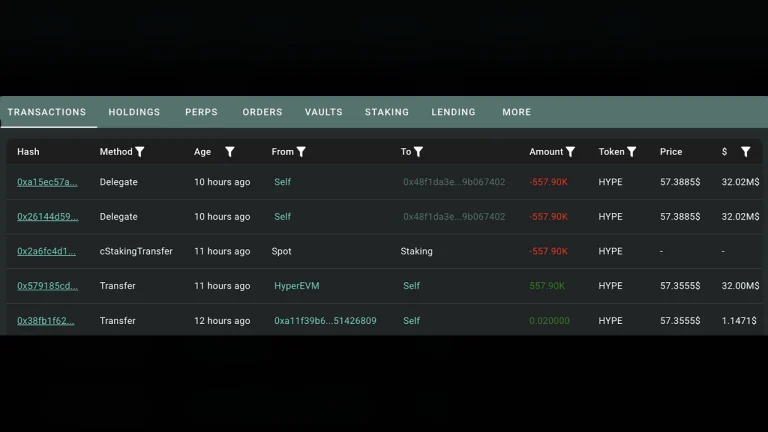
Whale Stakes $32.87M in HYPE: Institutional Accumulation Amid Price Dip
This strategic move comes as the HYPE token trades 25% below its June peak. By transferring funds directly from FalconX to on-chain staking, this whale is signaling a long-term bullish stance, potentially providing a liquidity floor as the market seeks to reclaim previous highs.

Frax Governance Alert: New Proposal Introduces 4% Penalty for Early frxETH Redemptions
This move highlights the ongoing tension between user flexibility and the structural integrity of decentralized finance protocols. By implementing these redemption fees, Frax aims to safeguard the frxETH ecosystem against volatility, potentially setting a new precedent for how liquid staking tokens manage exit liquidity and long-term holder incentives.

EigenLayer Alert: ELIP-018 Proposal Introduces Irreversible Exit Route for Restakers
This move could fundamentally alter the liquidity dynamics and risk profiles within the restaking landscape. By enforcing an irreversible exit mechanism, EigenLayer aims to prevent cascading failures, but the decision raises significant concerns regarding capital flexibility and the long-term implications for restaker autonomy.
