Security Breach: Hackers Hijack Robinhood CEO Vlad Tenev’s X Account to Promote Fake 'Vladhood' Token

In a sophisticated social engineering attack, hackers successfully breached the X account of Robinhood co-founder and CEO Vlad Tenev. The attackers leveraged his massive reach of nearly 800,000 followers to promote a fraudulent meme coin known as 'Vladhood' (ticker VLAD), falsely claiming it was the official mascot of the upcoming Robinhood Chain.
This exploit highlights the growing risks of celebrity-driven scams and the urgent need for enhanced security protocols for high-profile executives. As the industry moves toward integrated blockchain solutions like the Robinhood Chain, the threat of malicious contract deployments and fake token promotions remains a primary concern for retail investors.
This is a summarized and adapted version by Artificial Intelligence. To read the complete original story, visit the official source.
Read Full Article at Bitcoin.comSupport Jornal Bitcoin
Independent journalism, curated by AI, no clickbait. Keep the flame alive with any amount of BTC.
jonata@walletofsatoshi.comDaily Crypto Brief 📬
Subscribe to receive the curation of the most important Bitcoin and crypto news, summarized by AI. No spam.
Join more than 10,000 smart readers.
Related News

Security Breach: Robinhood CEO Vlad Tenev's X Account Hacked to Shill Fake 'Vladhood' Token
This exploit underscores the persistent dangers of social engineering and the volatility of the meme coin market. As scammers continue to target high-profile accounts, the incident serves as a stark reminder of how quickly fake tokens can be propagated through hijacked social media channels to exploit retail investors.
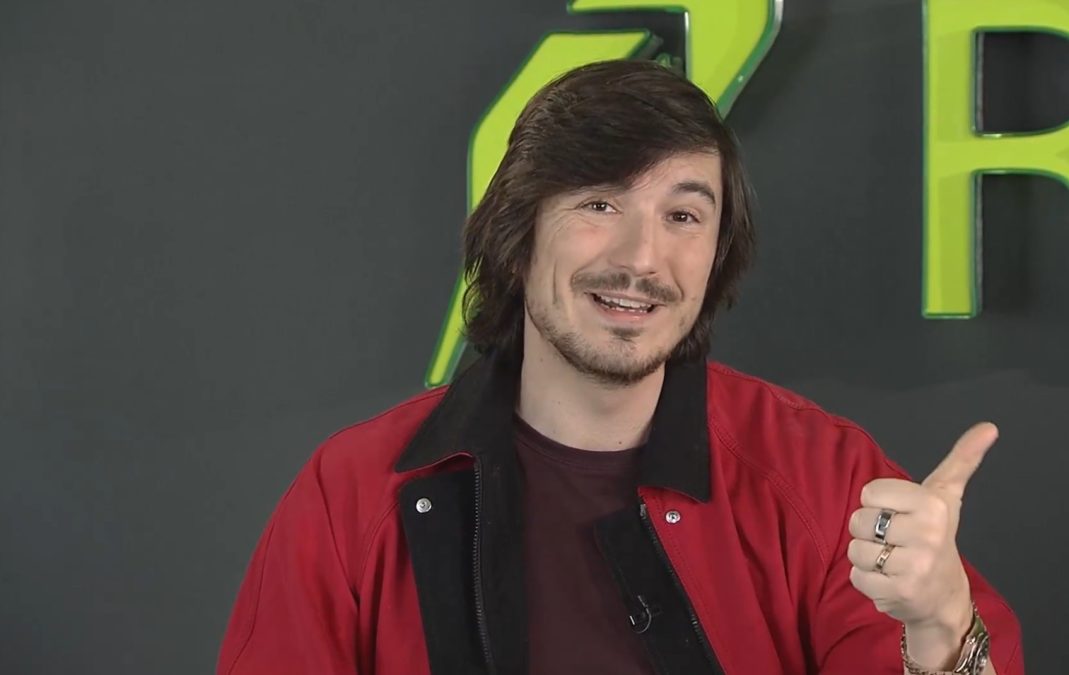
Robinhood CEO's X Account Hacked to Pump Memecoin by 22,133%
The exploit underscores the volatile nature of the crypto market and the devastating impact of social engineering attacks. With hackers reportedly netting over $1.2 million from the pump, this event serves as a stark warning regarding the risks associated with memecoins and the security of high-profile social media profiles.
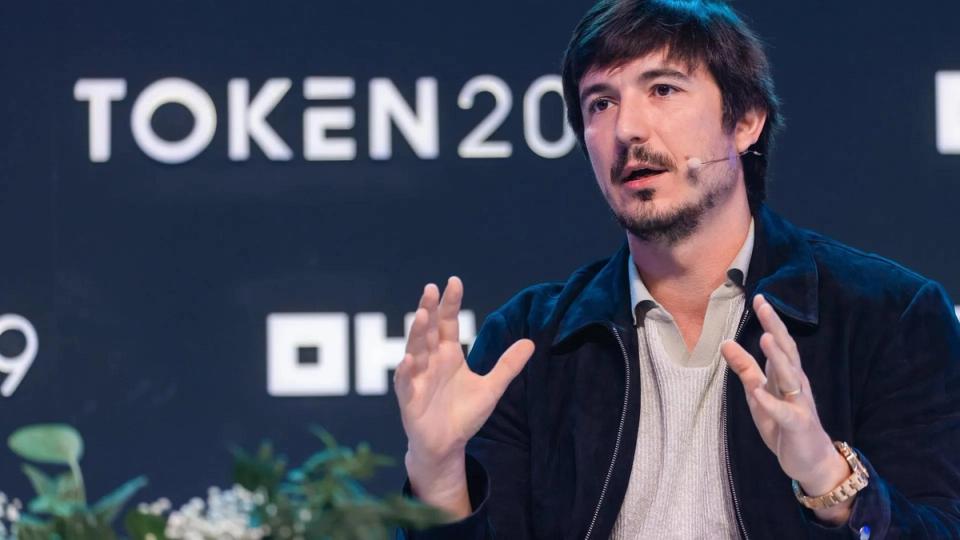
Security Breach: Robinhood CEO's X Account Hacked to Pump Fake Memecoin
This targeted attack underscores the growing danger of social engineering and account takeovers during periods of high market volatility. As scammers leverage the influence of major fintech executives to pump fake tokens, investors are warned to verify all listing news through official corporate channels.

Security Breach: Robinhood CEO's Account Hacked to Promote Fake Memecoin
This incident highlights the severe risks associated with the speculative fever surrounding the newly launched Robinhood blockchain. The hack serves as a stark warning about the dangers of memecoin scams and the critical need for enhanced security protocols as decentralized ecosystems face increasing targeted attacks.
Security Breach: Robinhood CEO's X Account Hacked in Massive Memecoin Scam
This exploit highlights the growing threat of social engineering and account takeovers targeting high-profile crypto figures. As memecoin scams continue to evolve, this incident underscores the urgent need for heightened vigilance among retail investors when encountering unverified token contracts on social media platforms.
Coinbase Prepares for the Quantum Age with New Bitcoin Custody System
This strategic move goes beyond simple defense; Coinbase is actively funding critical crypto upgrades to enhance network resilience. By addressing the theoretical threat of quantum decryption today, the company is securing the future of Bitcoin and setting a new industry standard for institutional-grade cybersecurity.
