Haaland’s Masterclass Stuns England and Sends Shockwaves Through Crypto Markets

Norway delivered a stunning 2-1 victory over England, fueled by an extraordinary masterclass from Erling Haaland. This performance has transcended the pitch, creating massive ripples across sports betting markets and the fan token ecosystem, signaling a new era where athletic dominance directly drives digital asset volatility.
The intersection of elite football and blockchain technology is reaching a fever pitch. Haaland's impact serves as a prime example of how global sporting events act as massive drivers for crypto market movements, underscoring the growing influence of decentralized finance and blockchain integration in the modern sports economy.
Norway stunned England with a 2-1 victory, a match defined by Erling Haaland's overwhelming performance. What began as a high-stakes football match quickly evolved into a market-moving event, as Haaland's brilliance echoed through betting markets and the fan token sector.
This phenomenon highlights the deepening integration between top-tier sports and blockchain technology. Haaland's performance did more than just secure a win; it reshaped how crypto markets react to global sporting icons, showcasing the significant role blockchain plays in the evolving landscape of sports-driven digital economies.
This is a summarized and adapted version by Artificial Intelligence. To read the complete original story, visit the official source.
Read Full Article at Crypto BriefingSupport Jornal Bitcoin
Independent journalism, curated by AI, no clickbait. Keep the flame alive with any amount of BTC.
jonata@walletofsatoshi.comDaily Crypto Brief 📬
Subscribe to receive the curation of the most important Bitcoin and crypto news, summarized by AI. No spam.
Join more than 10,000 smart readers.
Related News

Liquidity War: CoreWeave’s $20 Billion Funding Surge Signals Major Threat to Bitcoin
This shift suggests a significant reallocation of institutional and retail interest. As the demand for AI-driven hardware skyrockots, the Bitcoin network must navigate a landscape where liquidity is being diverted toward the massive infrastructure requirements of the artificial intelligence revolution.

AI Shield: Ethereum Foundation Deploys Intelligent Agents to Hunt Bugs Before Hackers Strike
By integrating these AI agents into the ETH network, the ecosystem aims to significantly reduce the risk of smart contract exploits and large-scale hacks. This evolution in cybersecurity sets a new benchmark for protecting digital assets and ensuring the long-term resilience of the Ethereum blockchain.

Pivot to AI: Bitcoin Treasury Firm Empery Digital Sells Off Half of BTC Holdings
By liquidating its BTC holdings, the company aims to secure the necessary capital to fuel its transition into the artificial intelligence infrastructure space. This pivot highlights the growing tension between pure crypto-treasury models and the massive capital demands of the burgeoning AI revolution.
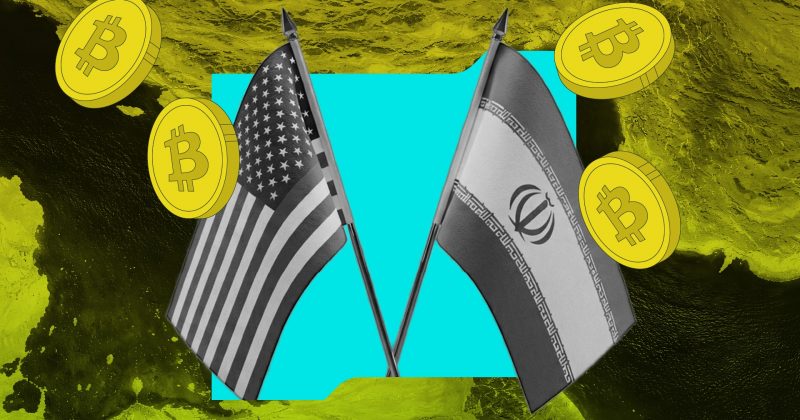
US Ultimatum to Iran: Strait of Hormuz Tension Hits Bitcoin Hard
Beyond the immediate threat to oil transit, the standoff highlights the interconnectedness between geopolitical conflict and digital assets. As the world watches the Strait of Hormuz, the resulting market volatility serves as a stress test for Bitcoin, proving that even decentralized assets remain susceptible to massive shifts in global political stability.

World Cup Fever: Norway vs England Quarterfinal Ignites Fan Tokens and Prediction Markets
This trend underscores the deepening integration of global sports events with the crypto ecosystem. As fan engagement shifts toward blockchain-based platforms, the intersection of digital finance and major sporting tournaments is set to redefine how supporters interact with their favorite teams and participate in global markets.

Silent Revolution: Stablecoins Move $76 Billion Every Weekend, Rivaling Visa's Daily Volume
The implications are profound: the weekend capital flow via stablecoins is now comparable to the volume processed by Visa during standard business days. This data signals a structural shift in the global payment infrastructure, cementing stablecoins as an essential pillar for global liquidity and decentralized financial efficiency.
