Geopolitical Flashpoint: Guterres Demands End to Gaza Suffering Amid Escalating US-Iran Military Strikes
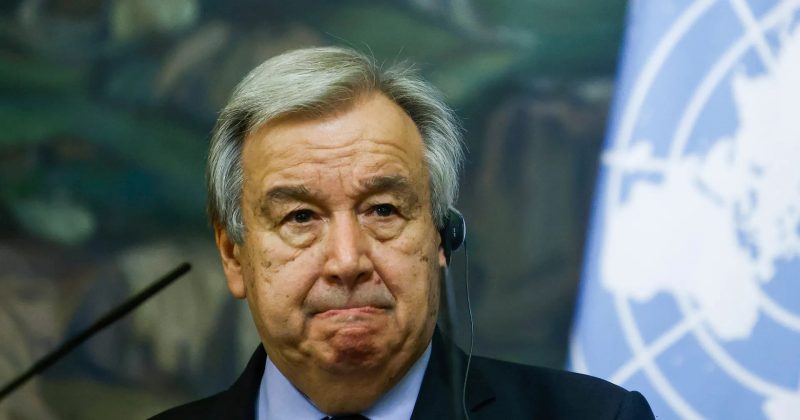
UN Secretary-General António Guterres has issued a high-stakes call to end the humanitarian suffering in Gaza as military strikes between the US and Iran heighten global tensions. This geopolitical friction represents a critical inflection point, where the risk of direct military confrontation threatens to reshape international stability and market sentiment.
Public sentiment heavily favors de-escalation, with a significant 74.5% majority supporting a ceasefire through July 25. As the standoff between the US and Iran continues to evolve, the pressure on global leaders to secure a ceasefire becomes increasingly paramount to prevent a wider regional conflict.
UN Secretary-General António Guterres has called for an immediate end to the suffering in Gaza, occurring simultaneously with heightened military strikes involving the US and Iran. The intersection of humanitarian crisis and military escalation creates a volatile landscape for global security.
Recent polling regarding a proposed ceasefire through July 25 shows a decisive 74.5% support rate. The international community remains on edge as the military maneuvers between the US and Iran continue to threaten regional peace.
This is a summarized and adapted version by Artificial Intelligence. To read the complete original story, visit the official source.
Read Full Article at Crypto BriefingSupport Jornal Bitcoin
Independent journalism, curated by AI, no clickbait. Keep the flame alive with any amount of BTC.
jonata@walletofsatoshi.comDaily Crypto Brief 📬
Subscribe to receive the curation of the most important Bitcoin and crypto news, summarized by AI. No spam.
Join more than 10,000 smart readers.
Related News
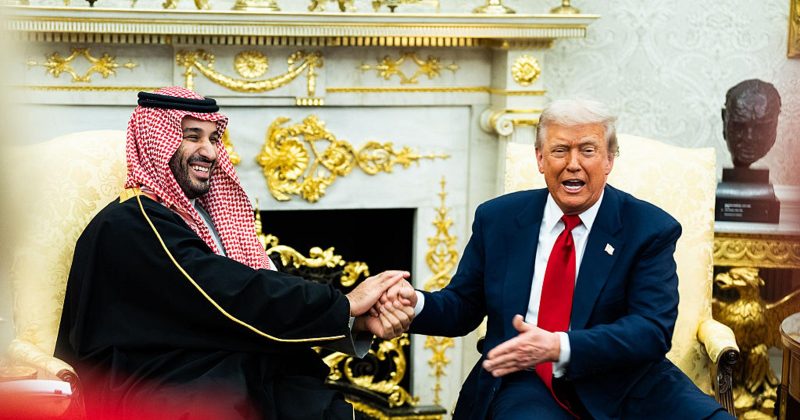
Geopolitical Shockwave: US Reverses Support for Saudi Nuclear Deal
Adding to the complexity, reports suggest that Iranian reconstruction funding could be a key component of a US-Iran deal by 2026, with specific financial frameworks currently under scrutiny. As these high-stakes negotiations evolve, the ripple effects are expected to influence global energy markets and broader macroeconomic stability.
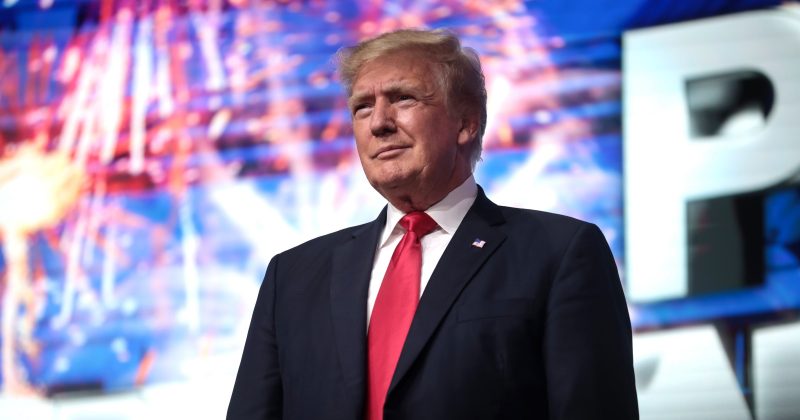
Geopolitical Deadlock: Trump Frustrated as US-Iran Conflict Hits Five-Month Mark
Strategic discussions point toward a potential deal by 2026, which could involve a 28.5% allocation for Iran reconstruction funding. This development remains a critical factor for macro-economic stability and the broader movement of global capital in an increasingly fractured world.
Geopolitical Shockwave: Eight Muslim Nations Denounce Al-Aqsa Raid Amid Middle East Tension
As the diplomatic fallout continues, market sentiment remains divided on the path to peace. Current data shows a 74.5% consensus favoring a potential ceasefire between Israel and Iran through July 25, a critical metric that could dictate whether the market enters a period of relief or further volatility-driven liquidation.
Geopolitical Shockwave: Iran Rejects US Cease-fire Proposal
While the immediate peace prospect has faded, long-term economic modeling suggests a glimmer of hope: there is a 28.5% probability of reconstruction funding being unlocked via a US-Iran deal by 2026. Investors are closely watching this tension to gauge its impact on market stability and the broader macroeconomic landscape.
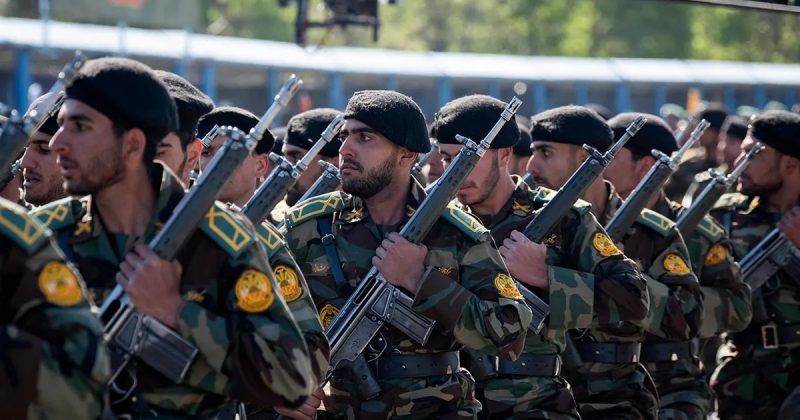
Middle East Crisis Escalates: Iran Launches New Attacks on U.S. Allies
Amidst the rising military friction, intelligence suggests a 29% probability of a U.S.-Iran deal involving reconstruction funding slated for 2026. The interplay between active warfare and these long-term diplomatic prospects remains a critical variable for investors and policymakers alike.
Trump’s Nuclear Threat Against Iran Sparks Global Tension and Calls to Exit NPT
As tensions rise, the pressure for Iran to exit the NPT grows significantly. Amidst this volatility, market analysts are tracking reconstruction funding projections, noting that a potential US-Iran deal by 2026 currently sits at a 28.5% probability, a figure that could dictate future shifts in global economic stability.
