Bitcoin Civil War? Ordinals Dev Proposes '$DOG Mode' Client to Bypass Bitcoin Core Limits
A major rift is forming in the Bitcoin ecosystem as developer Leonidas proposes a radical new open-source client dubbed '$DOG Mode'. Designed to bypass the constraints of Bitcoin Core, this client aims to facilitate seamless Ordinals and Runes transactions by significantly increasing the maximum transaction size to 3.9 million weight units (WU). This move is a direct challenge to the current network governance and its handling of complex data.
By lowering the dust limit to just 1 satoshi, $DOG Mode seeks to empower users to move fungible and non-fungible tokens without the friction imposed by current protocols. While critics label these activities as 'spam,' Leonidas argues that economic incentives will eventually force the network to stop gatekeeping valid transactions. This development could fundamentally shift Bitcoin's role from a simple store of value to a versatile platform for digital assets.
The changes would make it easier to send Ordinals inscriptions and Runes, which have been described as Bitcoin’s take on fungible and non-fungible tokens. Both have been controversial within the Bitcoin community, with critics arguing they amount to 'spam' on the Bitcoin network.
This is a summarized and adapted version by Artificial Intelligence. To read the complete original story, visit the official source.
Read Full Article at CoinTelegraphSupport Jornal Bitcoin
Independent journalism, curated by AI, no clickbait. Keep the flame alive with any amount of BTC.
jonata@walletofsatoshi.comDaily Crypto Brief 📬
Subscribe to receive the curation of the most important Bitcoin and crypto news, summarized by AI. No spam.
Join more than 10,000 smart readers.
Related News
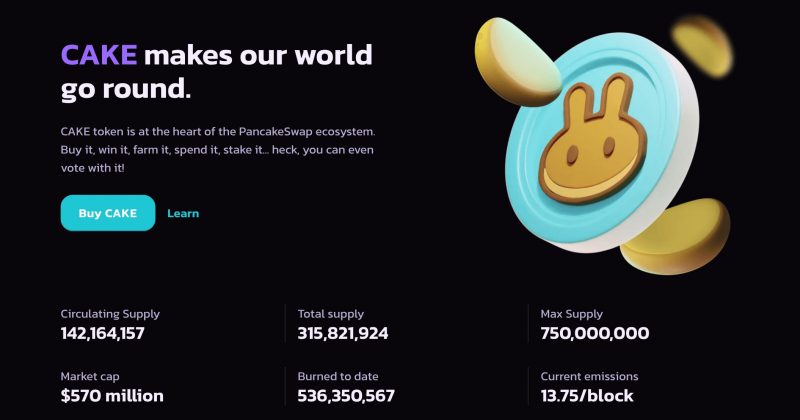
PancakeSwap Goes Open-Source with AI Agent for ERC-8183 Settlements on BNB Agent Studio
By leveraging this AI-driven technology, the protocol enhances liquidity management and settlement precision within a 15-minute window. This integration marks a significant milestone for the BNB ecosystem, paving the way for sophisticated autonomous agents to dominate the next wave of DeFi innovation.

Market Chaos: Ether Drops Twice as Fast as Bitcoin as Chip Trade Unwinds
This volatility is compounded by global economic instability, highlighted by Japan's Nikkei index suffering its worst day since March. Amidst this turbulence, Ether remains the only major asset holding a marginal gain for the week, though it struggles to maintain momentum against the heavy market sell-off.

Market Chaos: Over 102K Crypto Traders Liquidated Amid Massive Volatility
Despite the immediate carnage, market speculators are already looking toward future targets, specifically eyeing the potential trajectory of Hyperliquid. As traders navigate this high-volatility environment, the industry remains divided between fear of further liquidations and long-term bullish predictions.
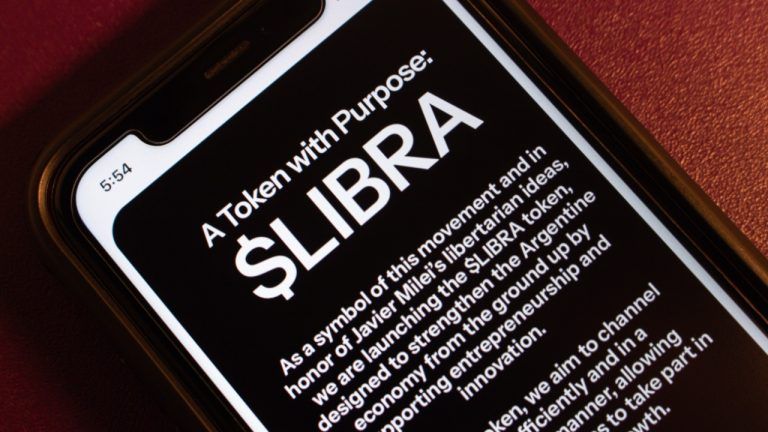
Argentine Judge Orders Urgent Freeze of Crypto Wallets Linked to Controversial Libra Token
Crucially, the investigation highlights that at least 10 transactions flowed through centralized exchanges, such as Binance, which enforce strict KYC controls. This development underscores the increasing pressure on digital asset movements in Argentina and highlights how centralized platforms are becoming key tools for law enforcement in tracking controversial crypto tokens and their holders.
Institutional Surge: Bitcoin ETFs Secure $368M Inflow During Three-Day Buying Streak
This massive capital movement pushes cumulative net inflows into US spot Bitcoin ETFs to a staggering $51.2 billion. With total assets under management (AUM) climbing to $77.7 billion, these inflows underscore the deepening integration of Bitcoin into mainstream financial markets and its growing role as a premier institutional asset.

Major Win: Florida Attorney General Recovers $710K for Crypto Scam Victim
This incident highlights the evolving tactics used in crypto scams, particularly those targeting job seekers through fraudulent remote work schemes. The successful recovery underscores the growing capability of law enforcement agencies to navigate blockchain transactions and hold cybercriminals accountable in an increasingly decentralized financial landscape.
