Major Japanese Bitcoin Mining Pool Shuts Down as 3 Mega-Miners Control 60% of Network

In a strategic move that sends shockwaves through the Bitcoin ecosystem, Japan's largest mining pool has shut down its Bitcoin services, coinciding with the moment three mega-miners have consolidated control over 60% of the network. This concentration of mining power represents a critical inflection point for the decentralization that has always been a cornerstone of Bitcoin. The abrupt exit of the Japanese pool, owned by SBI, comes as Bitcoin mining faces increasing centralization, raising concerns about the resilience of the network. With no clear destination for the lost hashing power, the market has reacted with volatility, while experts warn about the security and governance risks that mining concentration could bring to Bitcoin's future.
This is a summarized and adapted version by Artificial Intelligence. To read the complete original story, visit the official source.
Read Full Article at CryptoSlateSupport Jornal Bitcoin
Independent journalism, curated by AI, no clickbait. Keep the flame alive with any amount of BTC.
jonata@walletofsatoshi.comDaily Crypto Brief 📬
Subscribe to receive the curation of the most important Bitcoin and crypto news, summarized by AI. No spam.
Join more than 10,000 smart readers.
Related News

Hashrate da Irã cai 77% no Bitcoin: lucratividade da mineração é o verdadeiro vilão

Hashrate Bitcoin abaixo de 1 ZH/s e receita de mineradores em queda crítica

Crypto firm breaks even through staking, but $50M paper loss and 66% dilution threat reveal darker truth
This situation illustrates the inherent risks of staking strategies in publicly listed crypto companies, where token rewards may not be sufficient to cover market devaluations and future obligations. With up to 33.5 million potentially outstanding shares, investors face massive dilution that could negate any benefits gained from staking, highlighting the need for critical analysis beyond superficial profitability metrics.
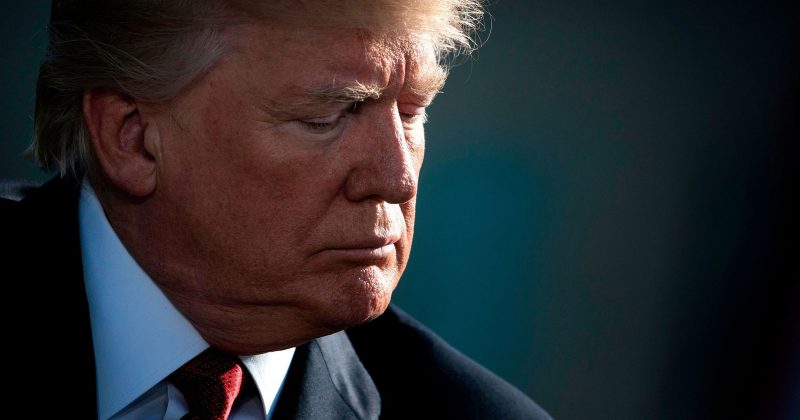
Trump Losing Faith in Iran Talks as Middle East Tensions Escalate
The growing instability in the region, fueled by the loss of confidence in negotiations, could trigger a chain reaction in financial markets, particularly in the cryptocurrency sector. Investors are closely monitoring geopolitical developments as uncertainty in the Middle East traditionally leads to capital movements seeking safe-haven assets, potentially influencing the price of Bitcoin and other cryptocurrencies.

Strategy Confirms 12% STRC Dividend Despite Stock Trading Below Par