The World Cup Wealth Gap: 5 Wallets Hit Millions While Most Traders Earned Less Than $5 on Polymarket

The conclusion of the World Cup has exposed a staggering wealth gap within the prediction markets, as massive volumes flowed through platforms like Polymarket and Kalshi. This intel brief confirms that despite a cumulative volume of $5.57 billion in tournament-related contracts, the vast majority of retail traders walked away with less than $5 in profit, highlighting the extreme volatility of sports-related prediction trading.
While the masses struggled to break even, a tiny elite of just five crypto wallets successfully captured millions of dollars in winnings. This massive disparity underscores the high-stakes nature of the prediction market industry, where massive liquidity often flows directly from the hands of retail participants into the pockets of a few highly successful whales.
Spain’s second World Cup title settled the largest sports-related winner markets yet on Polymarket and Kalshi, closing a tournament that brought prediction trading closer to the center of the global sports-betting business. Available data from the two leading platforms show that they recorded about $5.57 billion in cumulative volume on contracts tied to the tournament. However, the distribution of these winnings was anything but equal: while most traders won less than $5, a mere five wallets managed to walk away with millions of dollars.
This is a summarized and adapted version by Artificial Intelligence. To read the complete original story, visit the official source.
Read Full Article at CryptoSlateSupport Jornal Bitcoin
Independent journalism, curated by AI, no clickbait. Keep the flame alive with any amount of BTC.
jonata@walletofsatoshi.comDaily Crypto Brief 📬
Subscribe to receive the curation of the most important Bitcoin and crypto news, summarized by AI. No spam.
Join more than 10,000 smart readers.
Related News
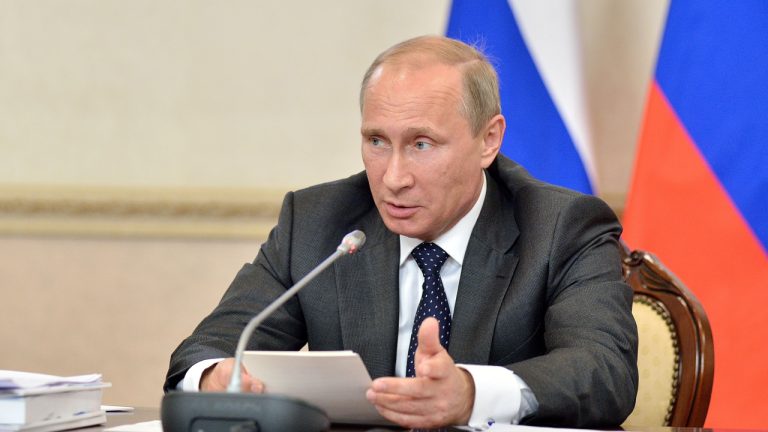
Russia's Crypto Revolution: Landmark Bill Heads to Putin's Desk
Despite the progress, the bill maintains a strict boundary by prohibiting the use of digital currency for everyday payments. This regulatory approach aims to integrate digital rights into the national economy while ensuring that the central bank retains control over the traditional monetary supply, creating a controlled environment for crypto adoption.

Telegram Revolution: Pavel Durov Aims to Deploy Crypto Wallets to 1 Billion Users
Market reaction was swift, with the native Gram token surging 7% following the news. This development underscores the growing convergence of social media and Web3 technology, potentially turning Telegram into a dominant gateway for mainstream crypto adoption.

Polymarket Volatility: Fed Rate Hike Odds Crash Following 16-Point Slide
Amidst this macroeconomic uncertainty, regulatory clarity remains a top priority for industry leaders. Coinbase CEO Brian Armstrong has intensified his calls for Congress to pass the Clarity Act this year, warning that legislative stagnation poses a significant downside risk to the broader crypto market.

Geopolitical Shockwave: US Weighs 20% Toll on Strait of Hormuz Amid Iran Tensions
The proposed toll, which could see implementation by July 2026, poses a significant risk to supply chains and commodity pricing. As the standoff between the US and Iran intensifies, investors are closely watching for signs of increased volatility in energy markets and traditional financial assets, which often spills over into the crypto market.

Bitcoin's Crucial Test: Will the $68,000 Breakout End the Crypto 'Summer Slumber'?
This technical hurdle is significant because it represents a zone where recent buyers may look to exit their positions. Whether Bitcoin can absorb this selling pressure or if it will succumb to a deeper correction will dictate the trajectory of the entire digital asset market in the coming weeks.
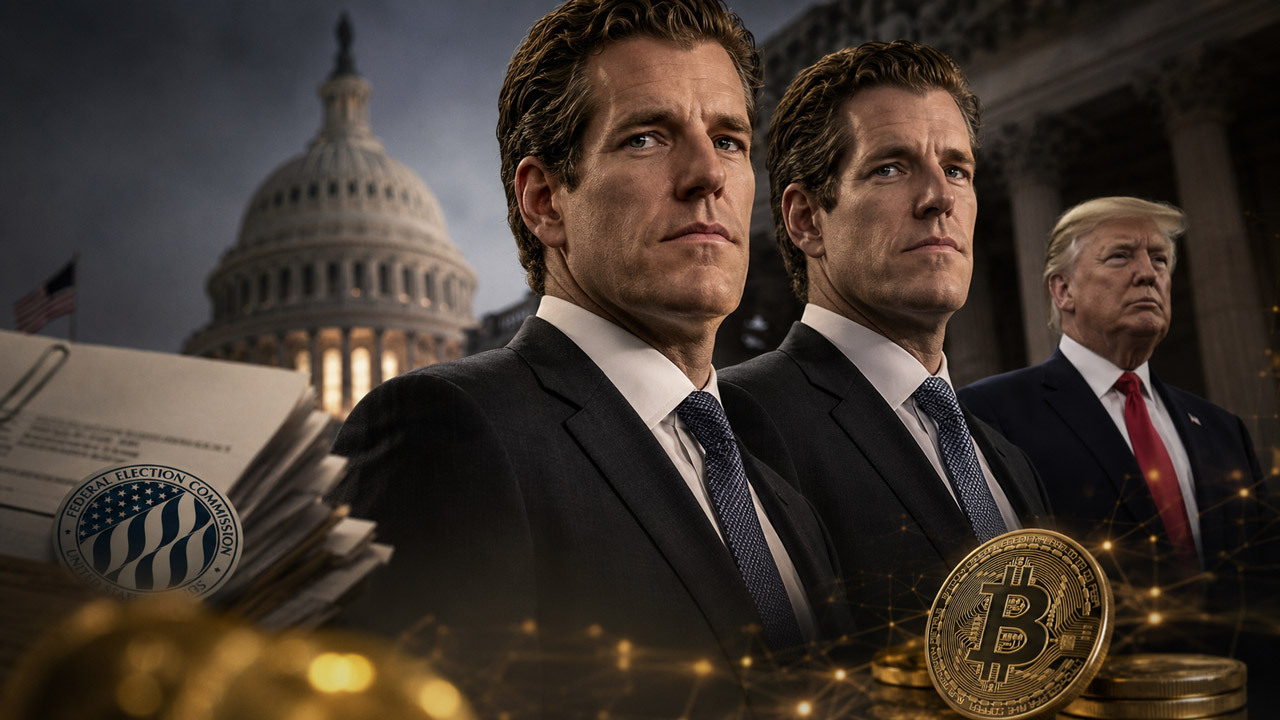
Winklevoss Twins' $10M Trump Donation: Political Play or Data Misinterpretation?
Crucially, a closer look at the FEC filings suggests the headline may be misleading. The data indicates that Gemini is listed because it liquidated the same Bitcoin used in the transaction, rather than the exchange making a fresh $10 million donation. This distinction is vital for understanding the true nature of the exchange's involvement in political financing.
