US Government Eyes AI Equity Stakes: A Regulatory Conflict of Interest in the Making?
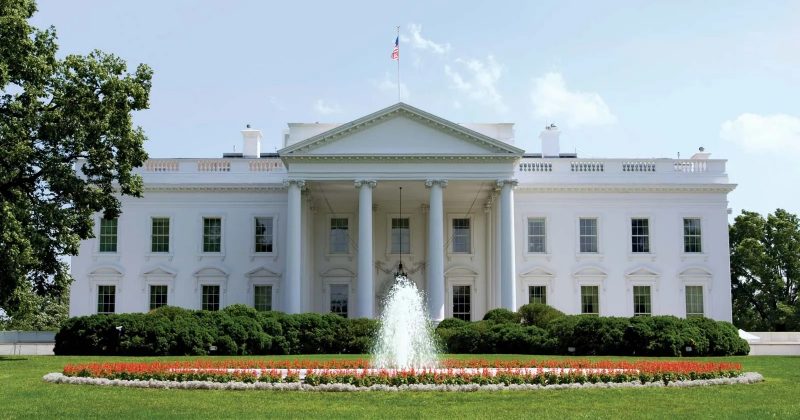
The US government is actively seeking equity stakes in artificial intelligence firms, a move that positions the state as both a major stakeholder and a primary regulator. This strategic shift aims to secure a foothold in the most transformative technology of our era, yet it creates a precarious tension between national interest and market neutrality.
This dual role threatens to trigger massive conflicts of interest, potentially skewing regulatory decisions to favor government-backed entities. As the administration shapes the regulatory future of AI, the impact on market dynamics and the global pace of innovation remains a critical concern for investors and tech developers alike.
The US government is exploring paths to acquire equity stakes in artificial intelligence (AI) firms while simultaneously crafting the regulatory frameworks that will govern them. This dual-track approach—acting as both an investor and a regulator—has sparked warnings regarding potential conflicts of interest. Critics argue that government ownership in AI companies could lead to biased regulatory decisions, ultimately impacting market dynamics and stifling the very innovation the government seeks to oversee.
This is a summarized and adapted version by Artificial Intelligence. To read the complete original story, visit the official source.
Read Full Article at Crypto BriefingSupport Jornal Bitcoin
Independent journalism, curated by AI, no clickbait. Keep the flame alive with any amount of BTC.
jonata@walletofsatoshi.comDaily Crypto Brief 📬
Subscribe to receive the curation of the most important Bitcoin and crypto news, summarized by AI. No spam.
Join more than 10,000 smart readers.
Related News
AI Revolution: GenLayer Leads 27-Firm Consortium to Build Decentralized Dispute Resolution Protocol
The broader implications for global trade are significant, as this protocol could provide the essential trust layer needed for large-scale blockchain adoption. By leveraging artificial intelligence to settle conflicts, the consortium is paving the way for a more resilient and autonomous decentralized economy.
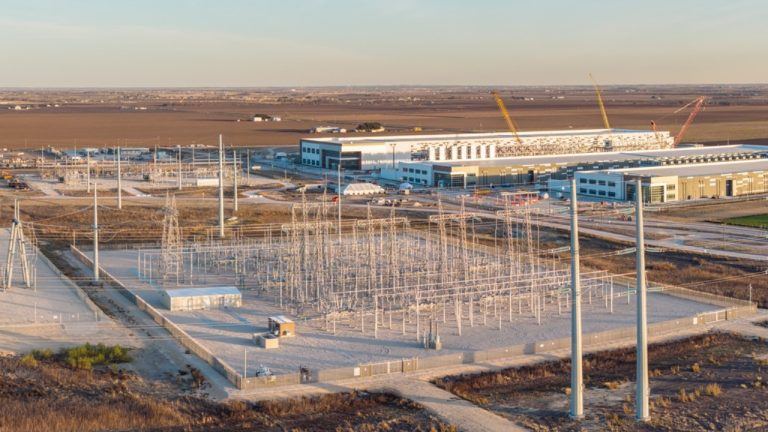
MARA Shares Surge 13% Following Massive 2 GW Texas Power Deal for AI and Bitcoin Expansion
The newly acquired campus is slated to become a high-performance computing hub, designed to support both bitcoin mining and the explosive demand for artificial intelligence. By integrating flexible workloads with massive energy access, MARA is effectively bridging the gap between crypto mining and the AI revolution.

Web3 Power Move: OKX, MetaMask, and Matter Labs Back AI Agent Dispute Court
By tackling the friction of automated transactions, this initiative addresses the fundamental need for trust in autonomous systems. The integration of decentralized dispute resolution ensures that as AI agents become primary economic actors on-chain, they possess the necessary safeguards to manage financial conflicts without centralized oversight.
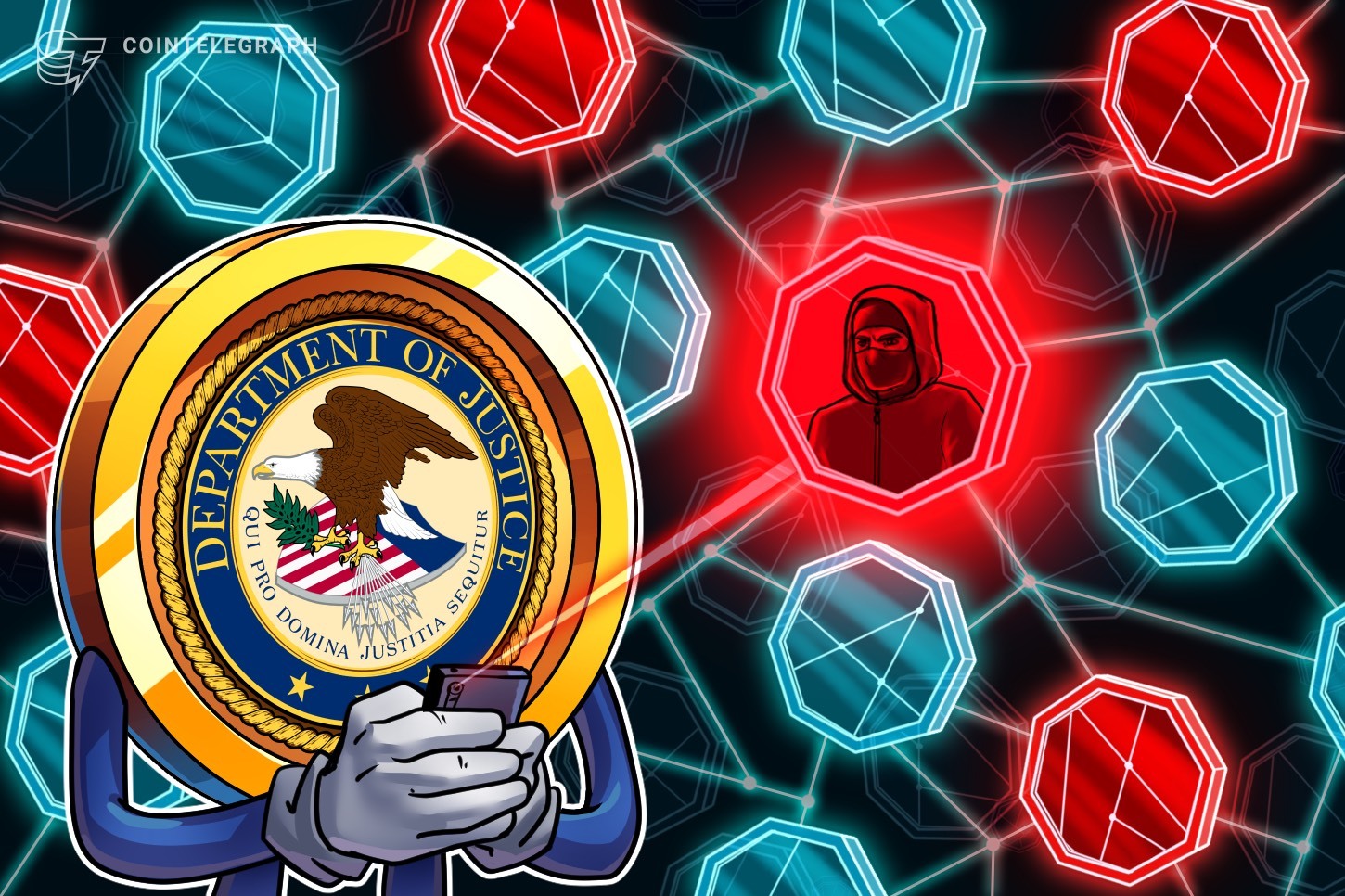
Crypto Laundering Fail: US Charges Inmate for Attempting to Steal Seized Kraken Assets
This legal crackdown highlights the increasing difficulty of evading federal authorities through crypto exchanges and mixers. The Department of Justice's intervention serves as a critical reminder that attempting to move crypto assets following a forfeiture order can trigger fresh criminal charges, regardless of existing convictions.
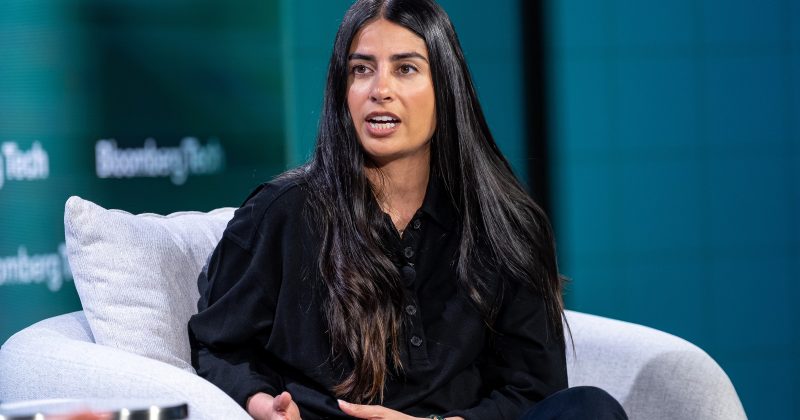
Fed Makes Power Move: Xbox CEO to Co-Lead Critical AI and Jobs Task Force
By bridging the gap between big tech and monetary policy, the task force's insights are expected to reshape employment policies and influence future tech regulation. The outcome of this collaboration will be a cornerstone for economic stability and the trajectory of global innovation in the age of automation.

Itaú Joins Global Banking Elite to Test Swift's Tokenized International Payments
This move comes at a critical time amidst the rapid advancement of digital money initiatives and real-world asset (RWA) integration. By participating in this Swift test, Itaú is not only seeking operational efficiency but is also preparing for the deep integration between classic banking infrastructure and the blockchain-based economy, anticipating the next wave of financial digitalization.
