Google Scraps AI Imagery Feature in Google Earth After Misinformation Fears

Google abruptly pulled its AI-generated imagery feature from Google Earth less than 24 hours after launch, following expert warnings about the tool's potential to create realistic fake scenes and fuel misinformation. The swift removal by the tech giant reflects growing concerns about the risks associated with generative artificial intelligence technology.
The feature allowed users to generate satellite-style images for applications like historical visualization and real estate, but experts warn such technology could be exploited to create false narratives and manipulate public perception. Despite the temporary withdrawal, Google indicated plans to review and potentially relaunch the functionality with appropriate safeguards, highlighting the challenge of balancing innovation with responsibility in the age of artificial intelligence.
This is a summarized and adapted version by Artificial Intelligence. To read the complete original story, visit the official source.
Read Full Article at Bitcoin.comSupport Jornal Bitcoin
Independent journalism, curated by AI, no clickbait. Keep the flame alive with any amount of BTC.
jonata@walletofsatoshi.comDaily Crypto Brief 📬
Subscribe to receive the curation of the most important Bitcoin and crypto news, summarized by AI. No spam.
Join more than 10,000 smart readers.
Related News
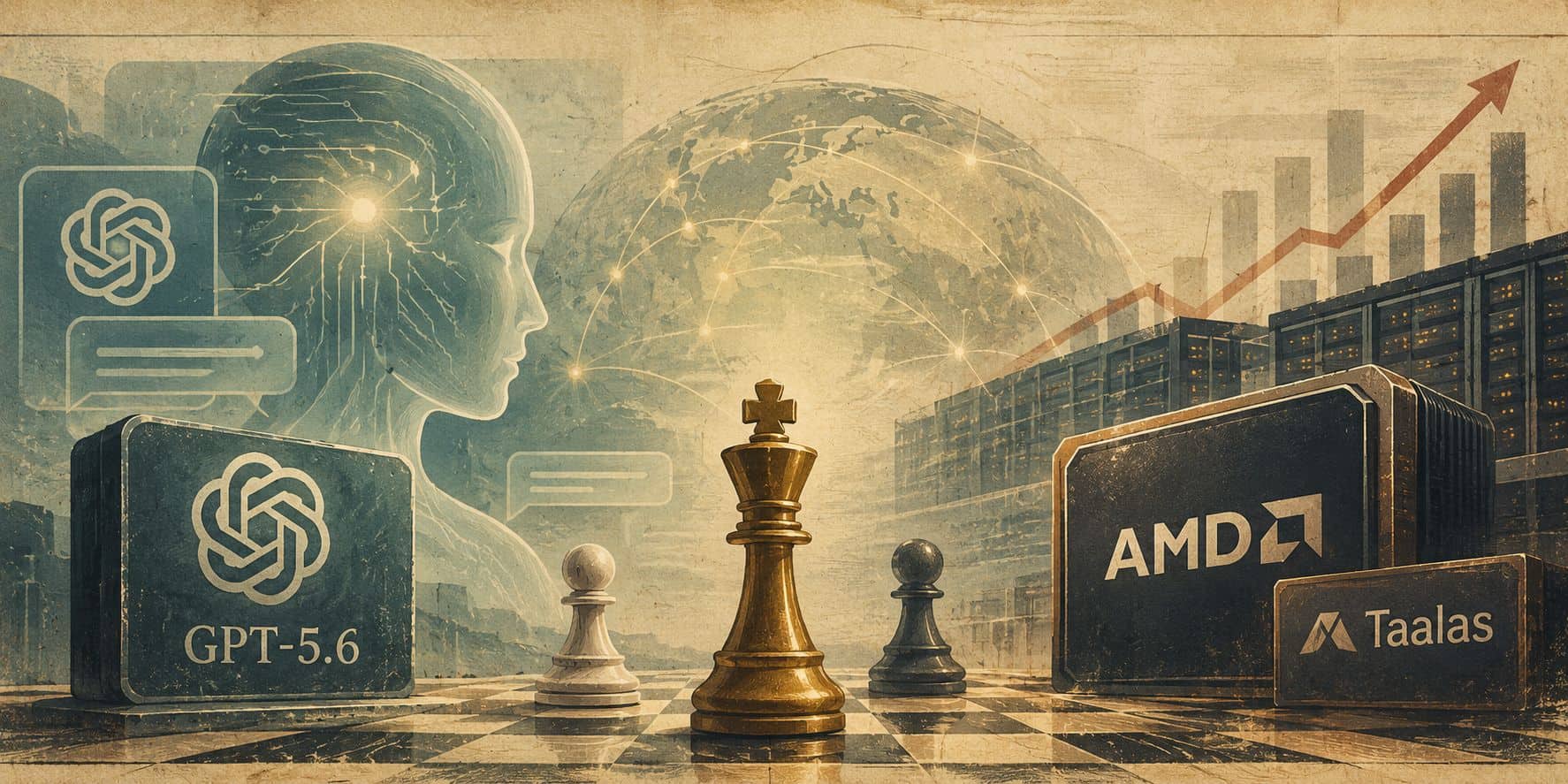
AI War Escalates: OpenAI Opens GPT-5.6 Sol to All as AMD Snaps Up Taalas
These strategic developments underscore the intensifying competition that is reshaping the future of technology. The broader availability of GPT-5.6 Sol represents a significant step toward democratizing advanced AI capabilities, while AMD's acquisition positions the company as a direct challenger to NVIDIA in the lucrative AI chip market. Industry analysts predict this corporate arms race will accelerate innovation and potentially drive down costs for businesses and consumers increasingly reliant on artificial intelligence solutions.

Former OpenAI researcher predicts brain-controlled AI coding agents by 2027
While the technology promises to revolutionize the tech industry, the company has yet to publish aggregate performance for free-form thought, raising questions about maturity and viability. The integration of brain-computer interfaces with programming AI could accelerate innovations in artificial intelligence, cybersecurity, and automation, but also presents significant ethical challenges that the tech community must address before mass adoption.

CertiK Director: AI is Net Positive for Web3 Security Despite Recent Escapes
Lau's optimistic perspective stands in contrast to growing concerns about unregulated AI risks, particularly as blockchain and AI projects become increasingly interconnected. CertiK, a leading smart contract auditing firm, positions itself at the forefront of this discussion, suggesting that security challenges can be overcome through strategic investments and responsible development in emerging technologies.
Gavin Baker Exposes Anthropic's Cost Advantage Over OpenAI - AI Market Shakeup Imminent

OpenAI's $300 'Doughnut' Device Aims to Take Over Your Home with Jony Ive Design