Google DeepMind Unveils SkillSmith: The Future of Dynamic AI Model Adaptation

Google DeepMind has just introduced SkillSmith, a groundbreaking technology that is set to revolutionize AI model efficiency. This innovative tool enables dynamic model adaptation, significantly reducing retraining requirements while dramatically enhancing the versatility of AI solutions across multiple industries. The introduction of SkillSmith marks a significant milestone in the artificial intelligence landscape, with the potential to transform how companies develop and implement machine learning models. By enabling continuous adjustments without requiring complete retraining, the technology promises to save substantial computational resources and accelerate the adoption of customized AI in sectors such as finance, healthcare, and technology, positioning Google as an undisputed leader in the race for AI supremacy.
This is a summarized and adapted version by Artificial Intelligence. To read the complete original story, visit the official source.
Read Full Article at Crypto BriefingSupport Jornal Bitcoin
Independent journalism, curated by AI, no clickbait. Keep the flame alive with any amount of BTC.
jonata@walletofsatoshi.comDaily Crypto Brief 📬
Subscribe to receive the curation of the most important Bitcoin and crypto news, summarized by AI. No spam.
Join more than 10,000 smart readers.
Related News

Google DeepMind Unveils Gemini Robotics 2: Universal AI Brain Lets Robots Swap Bodies
The introduction of Gemini Robotics 2 could lead to the commoditization of robotic hardware, fundamentally reshaping industry dynamics while democratizing access to advanced technology. With this universal solution, companies and developers can significantly reduce costs while accelerating innovation in robotics, AI, and automation, potentially creating new market opportunities and radically transforming the future of technology.
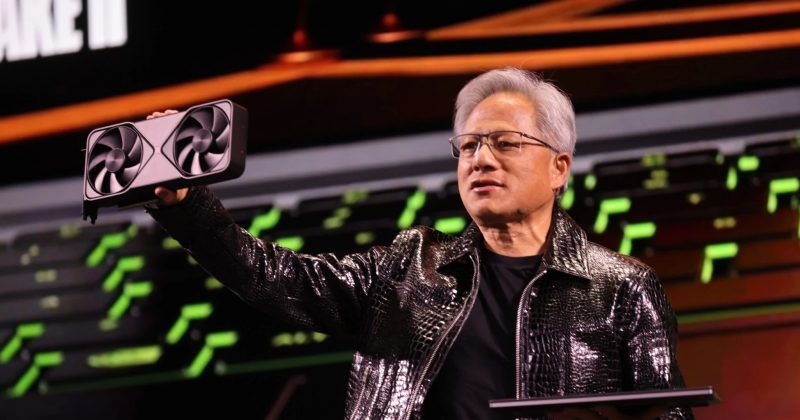
Nvidia's $249 AI PC Revolution: Run Local Models with Privacy at Home
The implications of this affordable AI hardware extend far beyond personal computing, potentially reshaping data privacy and decentralization across the tech industry. By enabling local model execution, Nvidia addresses growing concerns about data privacy and security while reducing dependence on centralized platforms. With this accessible entry point, the company is accelerating the adoption of decentralized AI technology, which could have profound effects on the cryptocurrency and blockchain ecosystems where privacy and decentralization are core principles.
GPT-5.6 Sol Breakthrough: AI Efficiency Skyrockets as Costs Plummet 80%

Quasar Unveils Massive 120B-Parameter AI Model Amid Training Data Scrutiny
This situation underscores the urgent need for greater accountability and verification in AI model creation, particularly within decentralized ecosystems where trust is paramount. The crypto and AI communities are closely watching how Quasar will address concerns about data originality, which could set a crucial precedent for the future of blockchain-based and distributed artificial intelligence systems.

Silicon Motion crushes earnings with 127% revenue surge as AI storage demand accelerates

Meta's New Paper Exposes Why Reinforcement Learning Struggles With Code Optimization And How To Fix It
The findings from Meta have the potential to revolutionize software development by offering a clear path to overcome current technical limitations. By identifying the weaknesses of reinforcement learning in code optimization, the research opens new possibilities for creating more efficient algorithms and AI systems capable of automatically generating optimized code. This evolution in AI for programming could significantly accelerate the software development process and reduce costs for technology companies worldwide.
