Golpe bancário rouba $76.000 de cliente do Truist Bank: Vítima é convencida a sacar dinheiro pessoalmente

Autoridades em Chatham County, Geórgia, investigam um caso de fraude bancária que resultou na perda de mais de $76.000 por uma cliente do Truist Bank. A vítima foi vítima de um golpe de phishing ao receber uma ligação não identificada alegando comprometimento da conta, o que a levou a realizar saques em dinheiro físico. O caso reforça a necessidade de vigilância na segurança financeira e alerta para esquemas que tentam convencer vítimas a sacar valores pessoalmente.
Autoridades em Chatham County, Geórgia, informam que estão investigando um esquema de fraude bancária após uma mulher relatar ter perdido mais de $76.000 para golpistas. O Departamento de Polícia de Chatham County afirma que a vítima recebeu uma ligação telefônica de uma pessoa desconhecida no dia 6 de fevereiro. A pessoa ligando alegou que sua conta bancária estava comprometida e que ela precisava sacar dinheiro em pessoa para proteger seus fundos.
This is a summarized and adapted version by Artificial Intelligence. To read the complete original story, visit the official source.
Read Full Article at The Daily HodlSupport Jornal Bitcoin
Independent journalism, curated by AI, no clickbait. Keep the flame alive with any amount of BTC.
jonata@walletofsatoshi.comDaily Crypto Brief 📬
Subscribe to receive the curation of the most important Bitcoin and crypto news, summarized by AI. No spam.
Join more than 10,000 smart readers.
Related News

Crypto hacks drop 47% in H1, but CertiK warns the ecosystem isn’t safer—attackers are getting nastier
In Q2, exploits surged 59% quarter-on-quarter to $807.5 million, driven in part by the KelpDAO and Drift Protocol exploits reportedly linked to North Korean, state-sponsored hackers. The report also shows phishing dominated Q1 losses (up to $508.2 million), while wallet compromises became the biggest attack vector in Q2—reinforcing that crypto security, wallet hardening, and threat prevention remain urgent priorities.

Massive Security Breach: Scammers Drain $3.5 Billion From US Bank Accounts in a Single Year
Of the total losses, nearly $1 billion was attributed to business impersonators, with bank-related scams emerging as the most damaging category. Criminals are increasingly utilizing fake security texts and fraudulent calls to bypass traditional defenses, marking a dangerous evolution in modern financial fraud and phishing tactics.
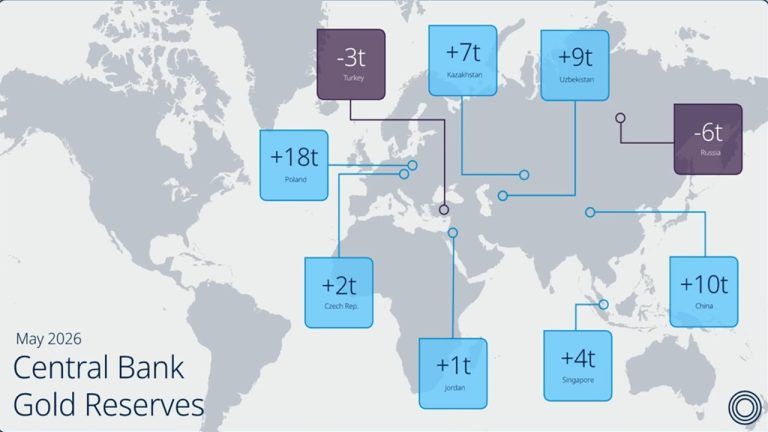
Central Bank Gold Rush: 41 Tonnes Added in May as Record 45% Plan Massive Expansion
According to the latest World Gold Council data, the momentum is set to accelerate, with a record 45% of reserve managers forecasting further acquisitions. This massive appetite for gold underscores a global trend toward asset diversification and highlights the growing importance of gold as a hedge within official sovereign reserves.

Sophisticated Phone Scam Drains $250,000 From New York Senior's Chase Bank Account
The audacity of the crime is highlighted by the logistics involved, with the perpetrator withdrawing massive amounts of cash in Arizona while the victim remained in New York. This incident serves as a stark warning regarding bank security protocols and the rising threat of advanced phishing attacks targeting traditional banking users.

Identity Theft Alert: Man Pleads Guilty to Draining $85,100 via Bank Impersonation
This incident underscores the growing threat of identity theft and the critical importance of robust cybersecurity protocols in the financial sector. As the U.S. Department of Justice pursues the case, it highlights how sophisticated impersonation tactics can compromise even established banking systems, leaving consumers vulnerable to targeted financial crimes.

Massive $700K Fraud: Man Admits to Stealing U.S. Treasury Checks in Bank Scheme
This incident underscores the growing complexity of financial crimes and the persistent threat of money laundering involving government-issued instruments. As authorities tighten oversight, the conviction of Opara sends a clear message regarding the legal consequences of orchestrating sophisticated bank fraud schemes.
