Goldman Sachs Breaks with Wall Street to Back the Clarity Act Crypto Rules
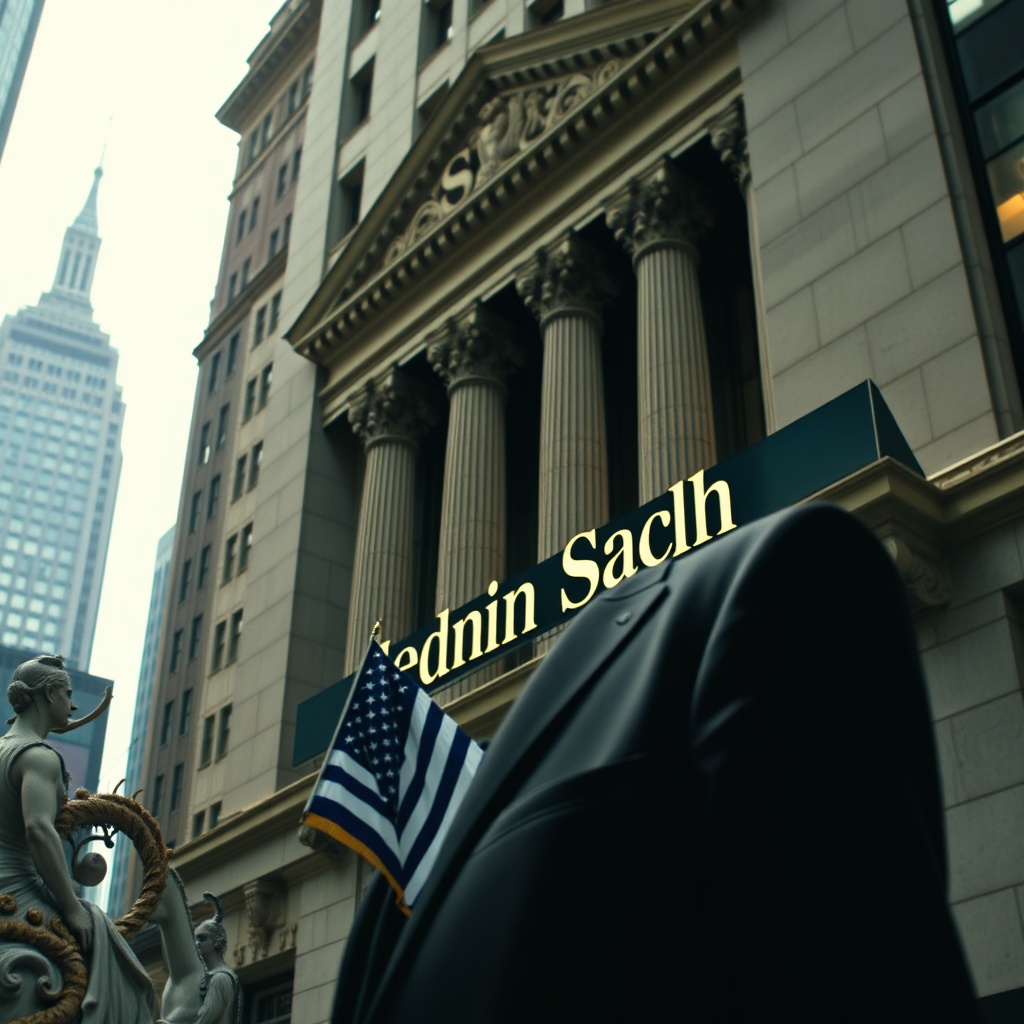
Goldman Sachs has signaled a major shift in institutional sentiment by endorsing the Clarity Act, a move that sets it apart from much of the traditional banking sector. CEO David Solomon's support provides a significant boost to the legislative push for a clearer crypto market structure.
This endorsement comes as Senate Republicans advance the bill despite significant friction within the financial industry. The debate remains highly polarized, centered on ethical concerns and controversial stablecoin yield provisions that continue to split Wall Street's vision for crypto regulation.
Goldman Sachs CEO David Solomon has endorsed the Clarity Act, breaking ranks with much of the banking industry as Senate Republicans push forward with the crypto market-structure bill. This strategic move highlights a growing divide in Wall Street; while some institutions remain wary, the push for legislative clarity gains momentum. However, the bill faces mounting opposition fueled by ethics concerns and specific provisions regarding stablecoin yields, creating a high-stakes battleground for the future of digital asset regulation.
This is a summarized and adapted version by Artificial Intelligence. To read the complete original story, visit the official source.
Read Full Article at Bitcoin MagazineSupport Jornal Bitcoin
Independent journalism, curated by AI, no clickbait. Keep the flame alive with any amount of BTC.
jonata@walletofsatoshi.comDaily Crypto Brief 📬
Subscribe to receive the curation of the most important Bitcoin and crypto news, summarized by AI. No spam.
Join more than 10,000 smart readers.
Related News

Goldman Sachs CEO Backs 'Imperfect' CLARITY Act Amid Crypto Regulation Battle
This endorsement comes at a critical time as lawmakers prepare to vote, with many banking peers still opposing the bill due to controversial stablecoin provisions. The tension centers on whether crypto firms should be allowed to offer yields on stablecoins outside the strict regulatory frameworks governing traditional financial institutions.
Ripple Unleashes 'Ripple Mint': Institutional API Access for Automated RLUSD Scaling
Beyond simple issuance, the platform facilitates seamless bridging and complex asset management, addressing the critical need for liquidity and interoperability in the digital asset space. This launch marks a decisive step in Ripple's mission to bridge traditional finance with blockchain technology through robust, scalable infrastructure.

Whale Alert: 2 Bullish and 1 Bearish Signals Shaping Cardano's (ADA) Next Move
This divergence between whale exposure and technical indicators suggests that Cardano is entering a high-volatility phase. Investors must weigh the bullish momentum driven by large-scale buying against the immediate bearish pressure to navigate the upcoming price action effectively.

The CLARITY Act Standoff: Why Ethics Rules Are Blocking US Crypto Legislation
This ethical deadlock, following thousands of hours of negotiation, could fundamentally reshape how digital assets are governed in the United States. The outcome of this struggle over a code of conduct will dictate the regulatory landscape for the entire crypto industry and the power dynamics of federal oversight.
Security Breach: Verus Bridge Hit by Second Exploit in 66 Days, Total Losses Hit $19.1M
This recurring vulnerability has pushed total losses to a staggering $19.1 million, sending shockwaves through the cross-chain interoperability sector. The repeated nature of these breaches highlights the persistent risks associated with bridge security and the critical need for robust smart contract audits in the DeFi space.
Wall Street Divided: Goldman Sachs CEO Backs US Crypto Law Amid Stablecoin Backlash
However, this endorsement highlights a growing rift within Wall Street, as many traditional banking institutions continue to voice intense criticism regarding proposed rules for remunerated stablecoins. The clash between embracing the Clarity Act and resisting stablecoin regulations underscores the ongoing struggle to define the role of blockchain technology within the global financial architecture.
