Goldman Sachs Warning: Brent Oil Could Surge Past $120 Amid Hormuz Tension
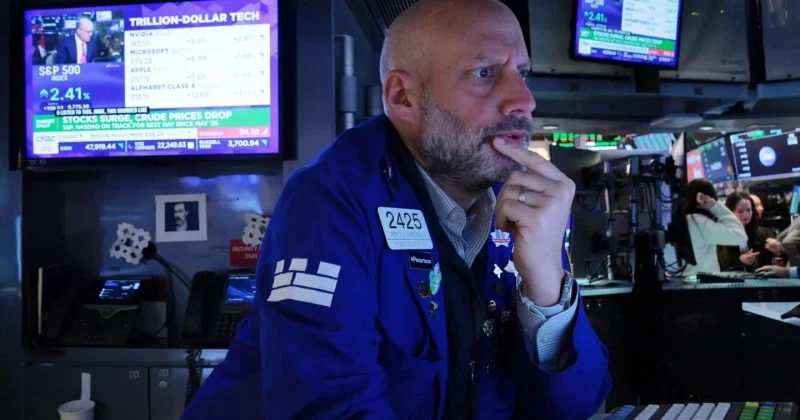
Goldman Sachs has issued a stark warning regarding energy market volatility, suggesting that Brent crude could skyrocket beyond $120 if disruptions in the Strait of Hormuz persist. This geopolitical flashpoint represents a significant threat to global supply chains, creating an environment of extreme uncertainty for macro traders.
Looking further ahead, projections indicate that WTI could also hit the $120 mark by July 2026. Such a surge in oil prices would likely fuel global inflationary pressures, potentially tightening liquidity across financial markets and influencing the broader trajectory of risk assets, including the cryptocurrency sector.
Goldman Sachs warns that Brent oil may exceed $120 if disruptions in the Strait of Hormuz continue to impact global supply. The bank's analysis underscores the heightened risk of energy shortages due to geopolitical instability. Furthermore, forecasts suggest that WTI is on a trajectory to reach $120 by July 2026, signaling a prolonged period of high energy costs and potential macroeconomic shifts.
This is a summarized and adapted version by Artificial Intelligence. To read the complete original story, visit the official source.
Read Full Article at Crypto BriefingSupport Jornal Bitcoin
Independent journalism, curated by AI, no clickbait. Keep the flame alive with any amount of BTC.
jonata@walletofsatoshi.comDaily Crypto Brief 📬
Subscribe to receive the curation of the most important Bitcoin and crypto news, summarized by AI. No spam.
Join more than 10,000 smart readers.
Related News

Silver Price Alert: Critical Decision Point Looms as Gold-Silver Ratio Tests Resistance
The broader implications involve the gold-silver ratio testing key resistance levels, signaling a potential shift in precious metals momentum. Maintaining the current support level is essential for bulls to regain control and drive the silver price toward new highs in the current commodity cycle.

Extreme Certainty: Polymarket Predicts 99.85% Chance Israel-Iran Ceasefire Holds
Despite this overwhelming confidence, new political headwinds are emerging on the horizon. Reports suggest the Netherlands is preparing to ban products from Israeli settlements starting September 22, a move that could introduce fresh diplomatic friction and potentially disrupt the stability currently being priced into the markets.
Tech War Escalates: US Threatens China Sanctions Over AI Model Theft
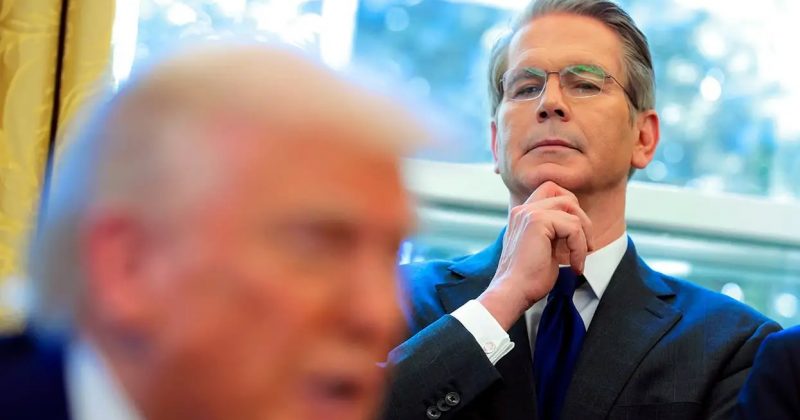
The fallout from these potential sanctions could have profound implications for both the AI sector and the broader crypto market. As the battle for technological supremacy intensifies, the intersection of cybersecurity, AI development, and digital assets is expected to face unprecedented regulatory and economic pressure.
Bitcoin Surges Past $66,000 Amid US-Iran Tensions: A Massive Test Lies Ahead
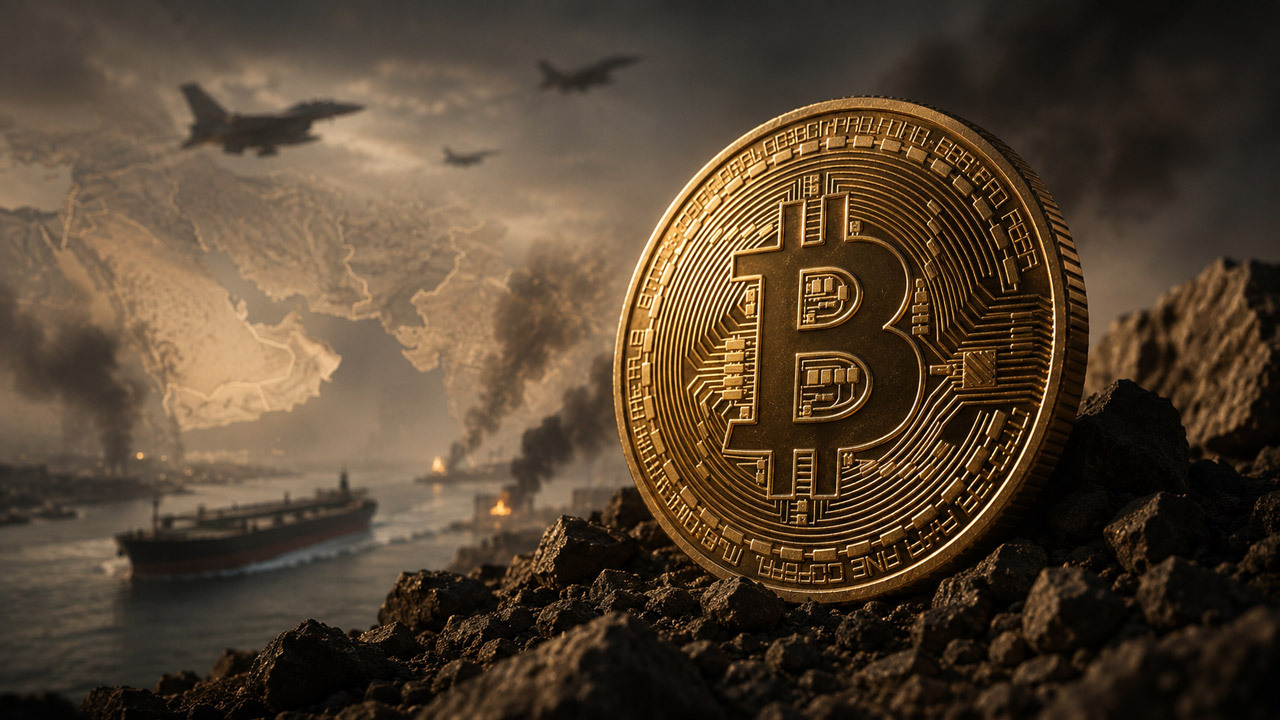
While the immediate breakout shows technical strength, the market is bracing for an even more significant test of its current levels. The interplay between institutional ETF demand and the reduction of available supply on major exchanges suggests a tightening market, yet investors must remain cautious as geopolitical volatility threatens to trigger sudden shifts in price action.
Oil Surges Near $90: Why is Bitcoin Holding Strong Above $66,000?
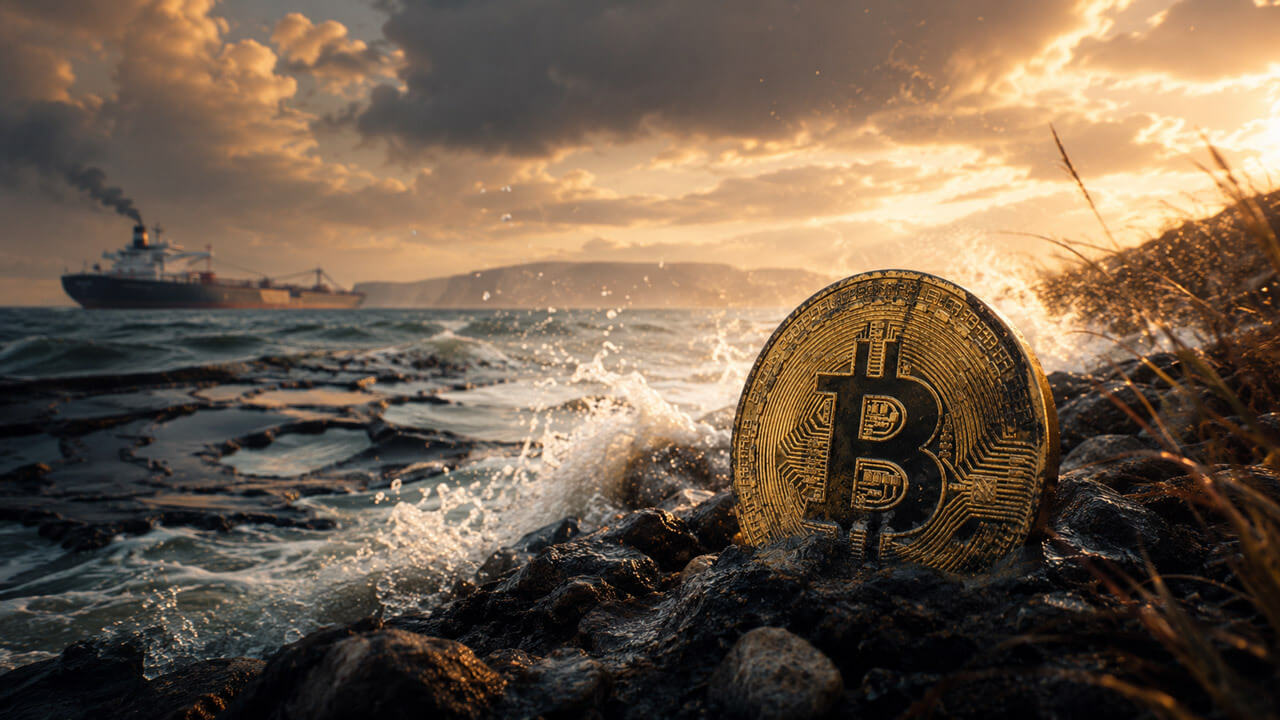
While geopolitical tensions involving US-Iran ceasefire proposals cause fluctuations in oil prices, the Bitcoin price action has remained robust, navigating an intraday range between $63,100 and $66,313. This decoupling suggests that the Bitcoin market may be reacting to unique liquidity drivers rather than following the inflationary pressures typically associated with rising oil costs.
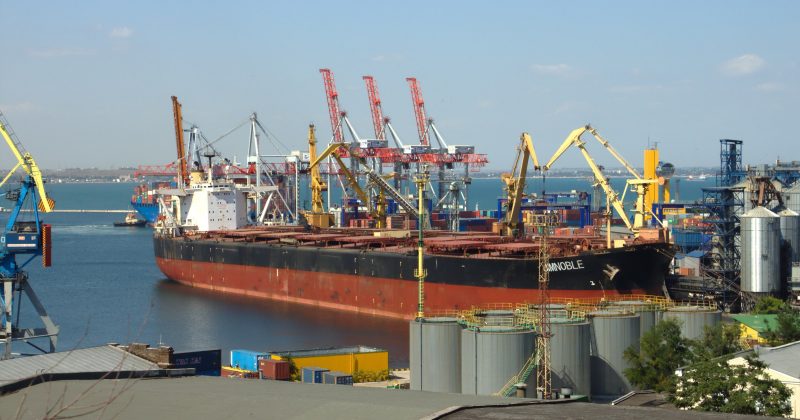
Russian Strike on Odesa Port: New Projections on Crimea Recapture
Amidst the kinetic warfare, emerging data provides a controversial outlook on the long-term conflict, suggesting an 8.5% chance of Ukraine recapturing Crimea by December 31, 2026. As the strike on Odesa unfolds, the global community remains focused on these shifting military dynamics and their potential to reshape the geopolitical landscape.
