Crypto Giants Strike: Major Industry Groups Demand Senate Support for Clarity Act
Three powerhouse crypto advocacy groups have officially escalated their lobbying efforts by penning a letter to U.S. Senate leaders. The coalition is demanding urgent support for the Clarity Act, a pivotal piece of legislation designed to establish a definitive market structure for the digital asset industry.
This high-stakes push aims to replace current regulatory ambiguity with a standardized legal framework. By securing support for the Clarity Act, these industry leaders hope to foster institutional adoption and prevent the ongoing regulatory uncertainty that threatens the stability of the global crypto market.
In a major push for legislative progress, top crypto industry advocacy groups have sent a formal letter to Senate leadership urging them to back the Clarity Act. The move, reported by Bitcoin Magazine, signals a unified front in the fight for a structured and predictable regulatory environment in the United States.
Authored by Mathew Di Salvo, the initiative emphasizes that the crypto market structure bill is essential for long-term growth. Industry leaders argue that providing clear guidelines through the Clarity Act is the only way to ensure innovation thrives while protecting participants from the risks of fragmented and inconsistent oversight.
This is a summarized and adapted version by Artificial Intelligence. To read the complete original story, visit the official source.
Read Full Article at Bitcoin MagazineSupport Jornal Bitcoin
Independent journalism, curated by AI, no clickbait. Keep the flame alive with any amount of BTC.
jonata@walletofsatoshi.comDaily Crypto Brief 📬
Subscribe to receive the curation of the most important Bitcoin and crypto news, summarized by AI. No spam.
Join more than 10,000 smart readers.
Related News

SEC Shakeup: Enforcement Deputy Sam Waldon Steps Down Amid Leadership Reshuffle
This shift in SEC leadership could redefine the agency's approach to crypto enforcement. As the reshuffle unfolds, industry players are closely watching for changes in how the regulator handles digital asset oversight and upcoming legal battles within the crypto space.

US Police Order Backs Clarity Act: A Massive Win for Crypto Regulation
As multiple organizations rally behind the bill this week, the momentum for the Clarity Act is reaching a fever pitch. This legislative support is expected to bridge the gap between the crypto industry and regulatory bodies, paving the way for increased institutional adoption and market stability.
ETF Perpetual Surge: Trading Volume Shatters $116B Milestone
Binance currently dominates this evolution, controlling 74% of the market share and spearheading the growth across TradFi perpetuals. This unprecedented expansion highlights the deepening integration of ETF-based instruments into the broader financial ecosystem, setting a new benchmark for volatility and volume.
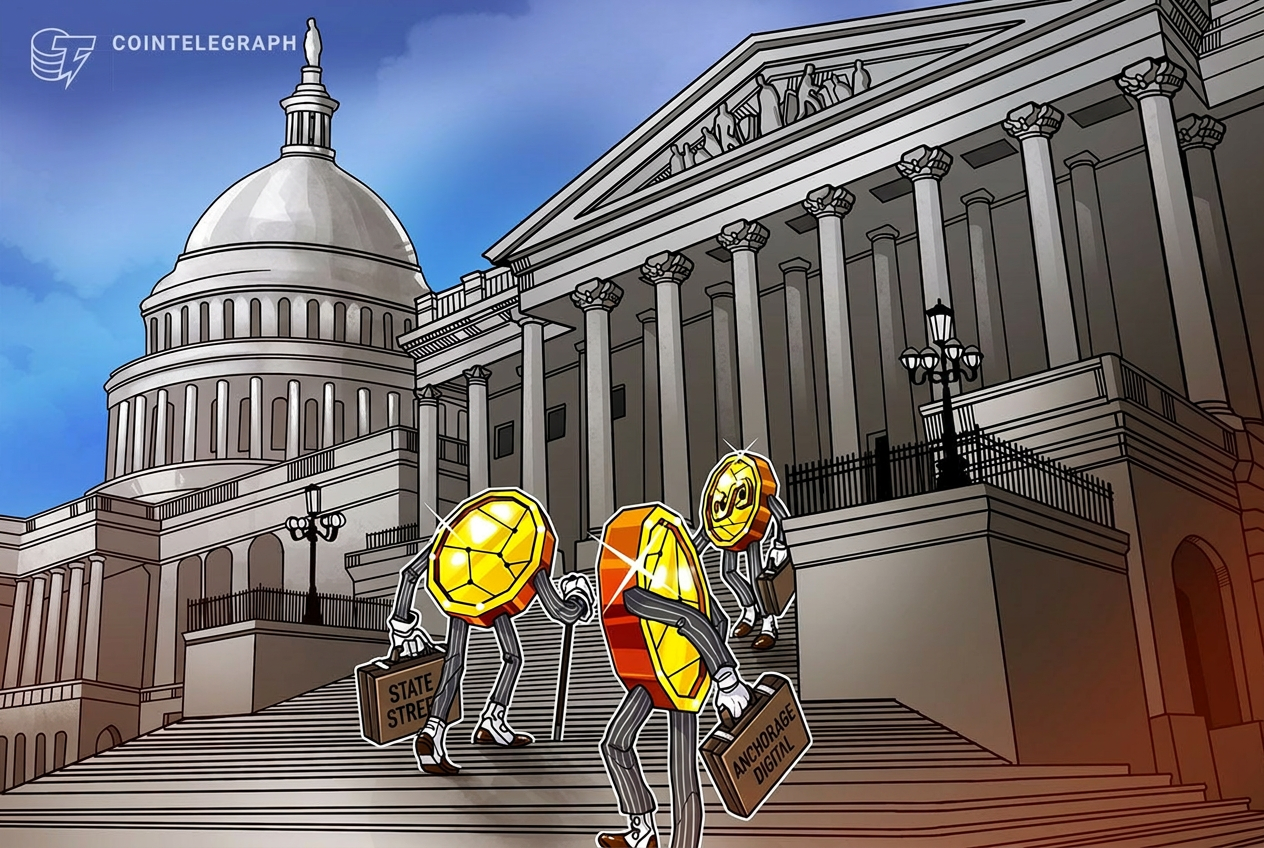
Crypto Lobby Goes All-In: Advocacy Groups Demand Urgent Senate Vote on CLARITY Act
Despite significant progress through Senate banking and agriculture committees, the bill faces a critical bottleneck. Some lawmakers are threatening to withhold votes until specific provisions and ethics rules are addressed, creating a high-stakes standoff that could determine the regulatory landscape for digital assets in the United States for years to come.
Senate Showdown: Democrat Slams GOP's 'CLARITY' Ethics Proposal as Insincere
In a strategic pivot, Gallego is currently collaborating with Senator Thom Tillis and select Republicans to draft a formal counteroffer. This move aims to reshape the regulatory landscape and provide the necessary oversight that the current CLARITY proposal failed to deliver, potentially altering the trajectory of digital asset governance in Washington.

The End of Market Hours? SEC Convenes Roundtable on 24/7 Trading
As the industry shifts toward an 'always-on finance' model, the discussion will tackle critical issues regarding liquidity, market volatility, and investor protection. This transition could redefine how global capital flows are managed in an era where market access is no longer restricted by traditional banking hours.
