South Korean Giants LG CNS and POSCO International Deploy Live Trade Data on Injective
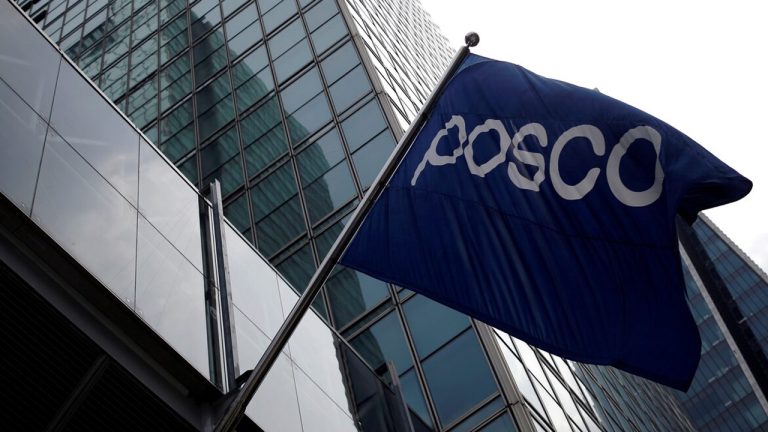
South Korean industry leaders LG CNS and POSCO International have officially launched a pilot program on the Injective blockchain to tokenize real-world trade receivables. By leveraging live data from overseas subsidiaries, this initiative aims to bridge the gap between traditional corporate finance and the efficiency of decentralized networks.
This strategic deployment addresses critical legacy trade bottlenecks by bringing real-time data directly onto the Injective blockchain. The collaboration between LG CNS and POSCO International signals a massive shift toward institutional-grade DeFi, proving that blockchain technology can effectively manage complex, large-scale international trade assets.
By overcoming legacy trade bottlenecks, the project allows for the seamless integration of live trade data into the blockchain ecosystem. This move positions Injective as a key infrastructure provider for large-scale corporate tokenization and global trade liquidity management.
This is a summarized and adapted version by Artificial Intelligence. To read the complete original story, visit the official source.
Read Full Article at Bitcoin.comSupport Jornal Bitcoin
Independent journalism, curated by AI, no clickbait. Keep the flame alive with any amount of BTC.
jonata@walletofsatoshi.comDaily Crypto Brief 📬
Subscribe to receive the curation of the most important Bitcoin and crypto news, summarized by AI. No spam.
Join more than 10,000 smart readers.
Related News
ARB Price Prediction: The $0.077 Floor Test — Bounce Setup or Final Capitulation?
Interestingly, whale positioning in the derivatives market is shifting aggressively, showing a 55-60% probability of long setups. This divergence between bearish price action and bullish whale sentiment suggests that the ARB price prediction hinges on whether this level holds against heavy selling pressure.

Argentina’s Banking Giants Are Quietly Developing Peso Stablecoins for Institutions
By focusing on peso-pegged assets rather than the standard dollar-pegged alternatives like USDT or USDC, these banks are positioning themselves to capture the corporate demand for blockchain-driven liquidity. This development could signal a major shift in how local businesses interact with digital assets and programmable finance within a highly regulated environment.

Regulatory War: CME Fights Back Against CFTC’s Move to Approve Onchain Crypto Perps
However, the CME Group is not backing down, launching a formal challenge against what it perceives as a departure from existing legal frameworks. This clash between the CME and the CFTC could fundamentally reshape the landscape for onchain perpetuals and determine how institutional capital interacts with decentralized derivative products.

The BlackRock Signal: How the CLARITY Act Could Trigger a Programmable Money Revolution
Beyond mere compliance, the implications of this act point toward a massive shift into the era of programmable money. As legal frameworks solidify, the convergence of traditional finance and blockchain technology is expected to accelerate, driving innovation in automated finance and smart contract integration on a global scale.

Hormuz Breakthrough? Iran and Oman Push for Agreement to Restart US Peace Talks
Beyond regional diplomacy, the success of this agreement could significantly impact U.S.-Iran relations and broader economic stability. For the crypto market and global investors, a reduction in Middle East tensions often translates to a shift in risk appetite, making this development a key indicator for future macroeconomic trends.

Bitcoin drops 2% after U.S. close as Korea’s Kospi plunges 10%
As sentiment turns across major exchanges, traders are recalibrating liquidity and exposure, pulling BTC into the same macro-driven volatility seen in equities. In this setup, Bitcoin’s next move looks increasingly tied to risk-on/risk-off flows, with market correlation and liquidity under close watch.
