Geopolitical Flashpoint: US Redirects Vessels Breaching Iranian Port Blockade
The United States has taken decisive action by redirecting vessels that breached the Iranian port blockade, signaling a sharp escalation in ongoing geopolitical tensions. This enforcement maneuver highlights the growing friction in maritime corridors and the heightened risk of direct confrontation.
Beyond the immediate naval standoff, this development poses a significant threat to global oil markets and could derail ongoing diplomatic negotiations. As supply chain risks rise, the ripple effects of this blockade are expected to drive market volatility and reshape international energy security strategies.
The U.S. has redirected vessels breaching the Iranian port blockade amid rising regional tensions. This enforcement of the blockade signals prolonged geopolitical tensions, significantly affecting global oil markets and the trajectory of diplomatic negotiations. The move underscores a period of heightened instability that could force a reevaluation of maritime security and energy trade routes.
This is a summarized and adapted version by Artificial Intelligence. To read the complete original story, visit the official source.
Read Full Article at Crypto BriefingSupport Jornal Bitcoin
Independent journalism, curated by AI, no clickbait. Keep the flame alive with any amount of BTC.
jonata@walletofsatoshi.comDaily Crypto Brief 📬
Subscribe to receive the curation of the most important Bitcoin and crypto news, summarized by AI. No spam.
Join more than 10,000 smart readers.
Related News
US Treasury Strike: Over $130 Million in Crypto Wallets Linked to Iran Frozen
Adding weight to the crackdown, Tether reportedly froze approximately $131 million in USDT on the Tron network. This dual pressure from government authorities and major stablecoin issuers highlights the increasing scrutiny on the use of crypto assets in high-stakes geopolitical conflicts.

Argentina’s VP Labels England ‘Usurping Pirates,’ But Crypto Markets Remain Unmoved
The lack of impact on crypto prices and trading volume underscores the specialized focus of blockchain investors. While the political discourse centers on historical tensions and sporting rivalries, the crypto market continues to prioritize liquidity, macroeconomic trends, and technological developments, effectively filtering out the noise of geopolitical posturing.
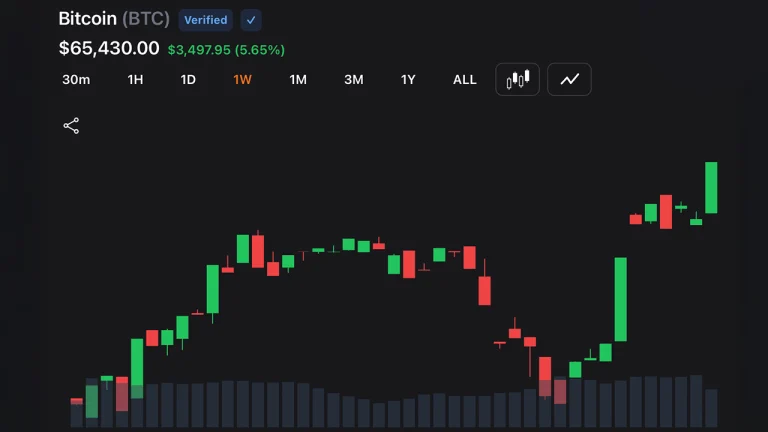
Bitcoin Blasts Past $65K: Soft Inflation Triggers Massive Rally in Crypto and Gold
The Bureau of Labor Statistics' latest PPI data has significantly shifted market bets regarding future Federal Reserve policy. While geopolitical tensions in the Middle East continue to keep oil prices near multi-year highs, the cooling producer prices are providing the necessary tailwinds for Bitcoin to reclaim significant momentum in the current macro environment.
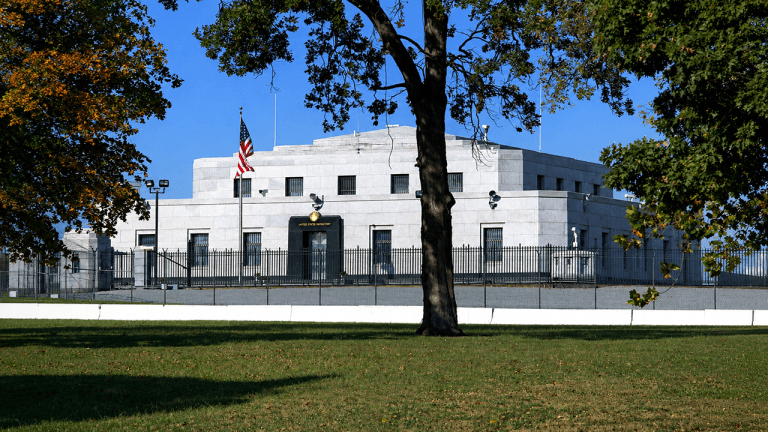
Fort Knox Standoff: Treasury Secretary Asserts Gold Reserves are Secure Amid Calls for Audit
However, the Treasury Secretary's comments have not fully quelled the unrest, as skeptics continue to demand a rigorous, independent audit of the vaults. This growing tension highlights a deepening divide between government assurances and the public's demand for transparency regarding federal gold holdings and traditional monetary backing.
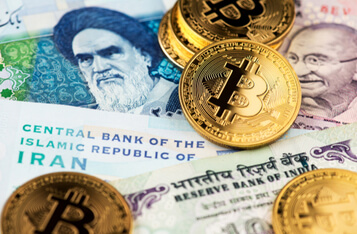
War Alert: Polymarket Odds for US-Iran Invasion Surge to 18.5% Amid Naval Blockade and Strikes
The escalation follows reports that the US military has reimposed a blockade on Iranian ports and conducted hours-long strikes against dozens of strategic targets. This aggressive military posture marks a significant shift in the regional landscape, heightening fears of a broader maritime and territorial conflict.
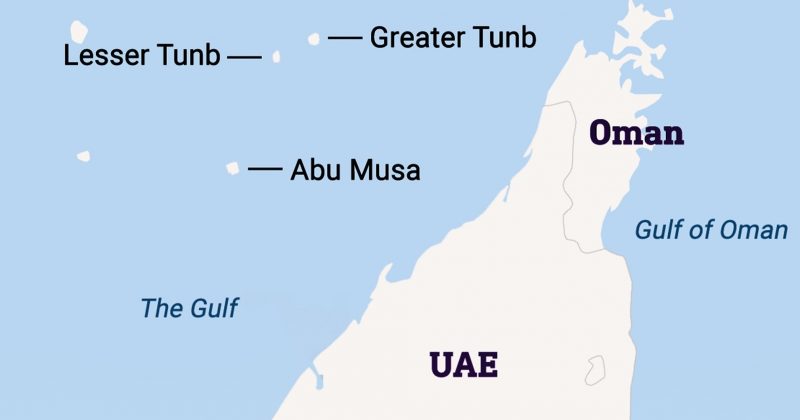
Geopolitical Shockwave: US Forces Strike Iranian Defenses, Threatening Global Energy Supply
The fallout from this strike could lead to a massive disruption in the global oil supply, sending shockwaves through energy markets. As geopolitical instability rises, the resulting volatility is expected to impact global economic stability and influence risk appetite across all financial sectors.
