Geopolitical Escalation: US Airstrikes Leave 20,000 Without Water in Southern Iran
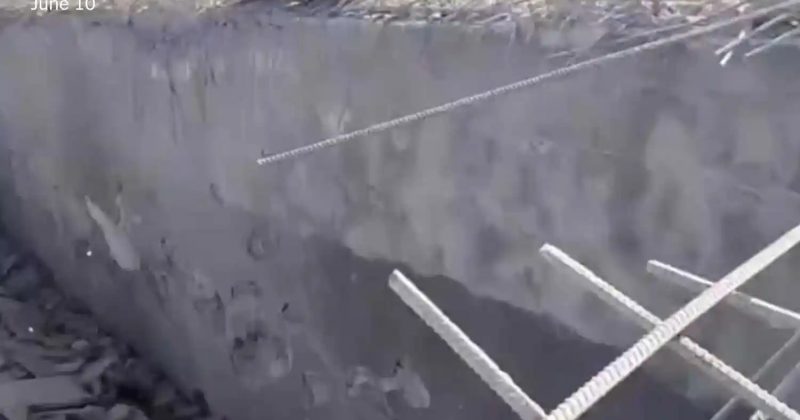
Geopolitical tensions have reached a breaking point as US airstrikes have reportedly cut off water supplies to 20,000 residents in southern Iran. This sudden humanitarian crisis underscores the volatile nature of the ongoing conflict and its immediate impact on civilian infrastructure.
Adding to the regional instability, the IAEA is racing against time to conduct inspections of nuclear sites by the December 31 deadline. The intersection of water scarcity and nuclear oversight creates a high-stakes environment for global security and international diplomacy.
US airstrikes have caused severe water shortages for 20,000 people in southern Iran amidst the ongoing regional conflict. As the humanitarian situation deteriorates, the international community remains focused on the nuclear dimension, with the IAEA scheduled to visit key nuclear sites by December 31, a deadline that carries immense weight for global stability.
This is a summarized and adapted version by Artificial Intelligence. To read the complete original story, visit the official source.
Read Full Article at Crypto BriefingSupport Jornal Bitcoin
Independent journalism, curated by AI, no clickbait. Keep the flame alive with any amount of BTC.
jonata@walletofsatoshi.comDaily Crypto Brief 📬
Subscribe to receive the curation of the most important Bitcoin and crypto news, summarized by AI. No spam.
Join more than 10,000 smart readers.
Related News
Geopolitical Chaos: Trump Voids Iran Ceasefire and Launches Air Strikes
Beyond the immediate battlefield, the long-term economic implications are staggering. With reconstruction funding projects slated for 2026 now hanging in the balance, the sudden surge in US-Iran tensions could trigger massive volatility in traditional finance and drive increased interest in decentralized assets as a hedge against global instability.
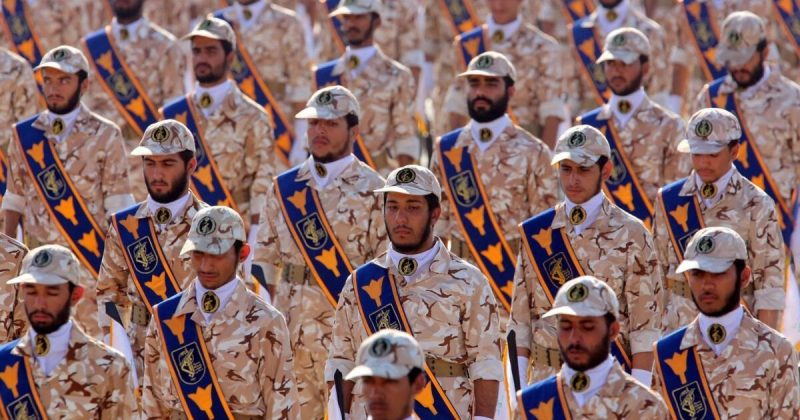
Geopolitical Flashpoint: US Airstrikes on IRGC Facilities Enter Sixth Night of Escalation
Adding to the complexity, the IAEA is expected to conduct inspections of Iranian nuclear sites by December 31, heightening the scrutiny on Iran's nuclear capabilities. The intersection of active airstrikes and intense international oversight creates a high-stakes environment, forcing crypto investors to weigh the impact of regional warfare on digital asset liquidity and safe-haven demand.
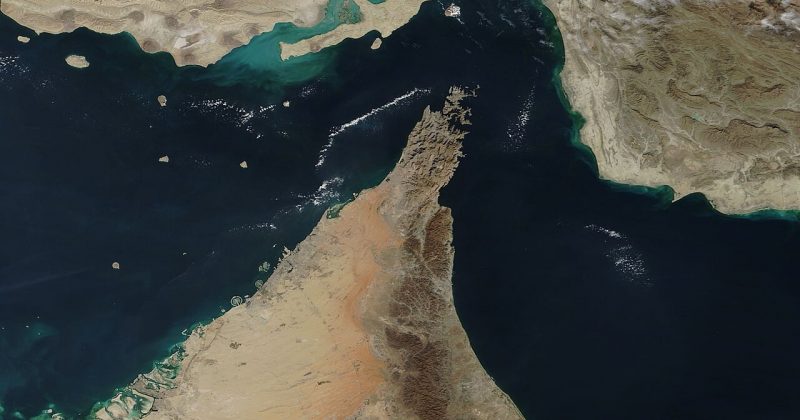
Geopolitical Shockwave: Iran May Impose Strait of Hormuz Transit Fees by 2026
The prospect of Iran imposing transit fees in the Strait of Hormuz poses a direct threat to global trade stability. Such a move would likely trigger massive volatility in energy markets and force a radical restructuring of international shipping routes and logistics costs.
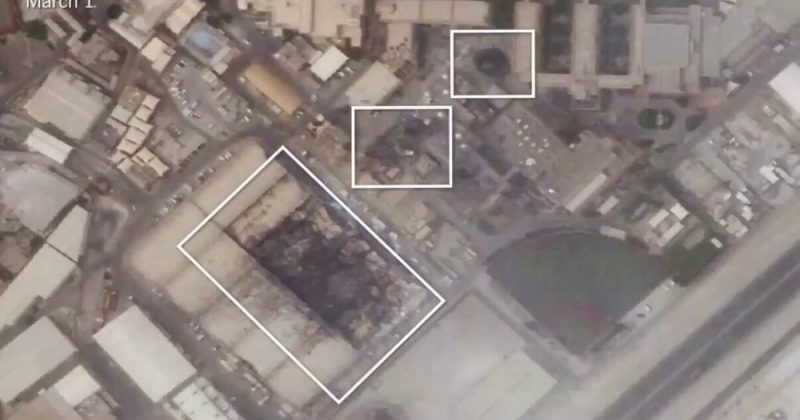
Geopolitical Flashpoint: Iranian Army Targets US Military Assets in Bahrain
Amidst these military maneuvers, the diplomatic clock is ticking toward a pivotal moment regarding the nuclear deal, with a final decision expected by August 13. The convergence of military aggression in the Middle East and high-stakes nuclear negotiations creates a complex landscape for investors seeking safety in Bitcoin and other hedge assets.

Diplomacy Meets Pitch: Trump Invites Sheinbaum and Carney to 2026 World Cup Final Amid Trade Tensions
However, the festive nature of the invitation contrasts sharply with the simmering trade tensions currently defining the relationship between the three nations. As the world prepares for the tournament, the intersection of global commerce and international relations remains a critical focal point for analysts monitoring the stability of North American alliances.
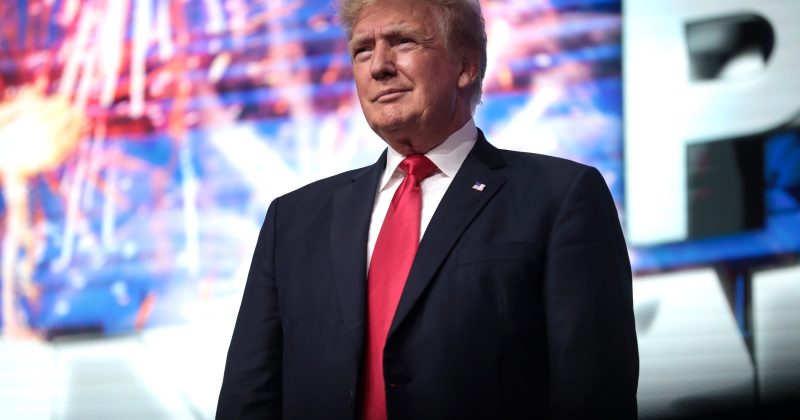
Diplomatic Shockwave: White House Unaware of Trump's Planned Israel Visit Amid US-Iran Tensions
Speculation is mounting regarding a potential meeting with Benjamin Netanyahu, with timelines pointing toward late July. As the global community watches these developments, the potential for sudden shifts in international relations could trigger massive volatility across both traditional markets and the broader crypto ecosystem.
