Geopolitical Clash: EU and Gulf States Defy Iran's Sovereignty Claims Over Strait of Hormuz

Global maritime security is under scrutiny as the European Union and Gulf states officially reject Iran's claims of sovereignty over the Strait of Hormuz. This decisive stance aims to safeguard one of the world's most critical chokepoints from unilateral Iranian control, ensuring the continued flow of global energy and trade.
Adding to the complexity, reports indicate that the U.S. may implement charges related to the Strait of Hormuz by December 31, 2026, at a rate of 7.5%. This intersection of geopolitical tension and new fiscal measures highlights the growing instability in the region and its potential ripple effects on global economic markets.
The European Union and Gulf states have collectively rejected Iran's assertions of sovereignty over the Strait of Hormuz, a vital artery for international trade. This rejection underscores a unified front against Iranian attempts to dominate strategic maritime routes. Furthermore, the geopolitical landscape is shifting with reports that the U.S. is set to charge fees regarding the Strait of Hormuz by December 31, 2026, at a 7.5% rate, introducing significant economic variables into an already volatile situation.
This is a summarized and adapted version by Artificial Intelligence. To read the complete original story, visit the official source.
Read Full Article at Crypto BriefingSupport Jornal Bitcoin
Independent journalism, curated by AI, no clickbait. Keep the flame alive with any amount of BTC.
jonata@walletofsatoshi.comDaily Crypto Brief 📬
Subscribe to receive the curation of the most important Bitcoin and crypto news, summarized by AI. No spam.
Join more than 10,000 smart readers.
Related News
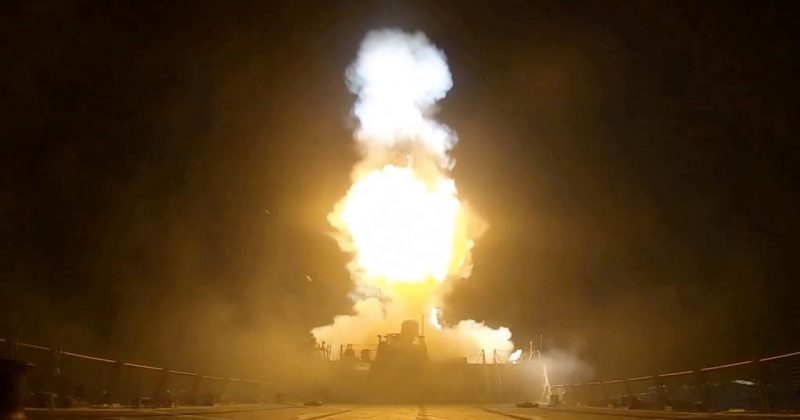
Geopolitical Flashpoint: US Forces Strike Near Hajiabad as Iran Conflict Escalates
With recent data suggesting a 61.5% likelihood of Iranian military action against a Gulf state, the geopolitical landscape remains extremely volatile. The direct confrontation between US forces and Iran could trigger massive shifts in global security and market sentiment.

War Alert: US Strikes Iranian Positions Amid Escalating 2026 Conflict
As military tensions surge following Iranian actions against a Gulf state, the ripple effects are expected to hit global markets hard. Investors are bracing for heightened volatility, closely watching how this geopolitical instability influences crypto market sentiment and the demand for safe-haven assets.

Geopolitical Shockwave: US Airstrikes on Iran Send Bitcoin Tumbling
As risk aversion climbs, Bitcoin has retreated below the critical $64,000 threshold. The direct correlation between Middle East tensions and crypto market volatility suggests that investors are fleeing digital assets in favor of traditional safe havens amid the escalating conflict.

Trade War Alert: US Targets Brazil Over Pix Success as Dollar Stablecoins Dominate Payments
Despite these protectionist measures, the data is clear: roughly US$ 8 billion in dollar-pegged stablecoins are already circulating monthly in Brazil via blockchain technology. This massive influx of stablecoins highlights a growing disconnect between traditional state-led trade policies and the unstoppable momentum of global digital asset adoption.
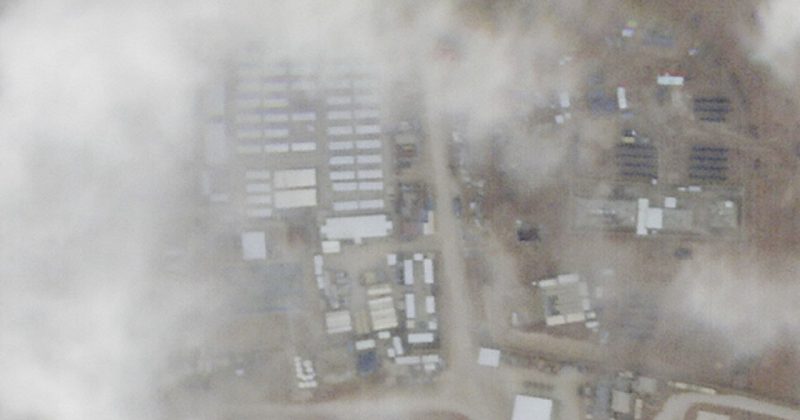
Geopolitical Escalation: Iran Claims Attack on US Base in Jordan, Killing Two Service Members
With the odds of military action against Iran now climbing to 57%, the global landscape faces heightened uncertainty. This escalation in Middle East conflict serves as a critical driver for market volatility, potentially triggering shifts in investor sentiment across both traditional and crypto asset classes.
Polymarket Bets 99.95% on BTC Staying Above $52K Despite Geopolitical Storms
However, the landscape is shifting as shipping risks in the Strait of Hormuz threaten global stability. With equity and oil markets closed for the weekend, thin liquidity could turn Bitcoin into the primary battleground for price swings, making it the first asset class to react to escalating geopolitical tensions.
