Geopolitical Calm: US-Iran Tensions Ease, Sending Oil Prices Lower
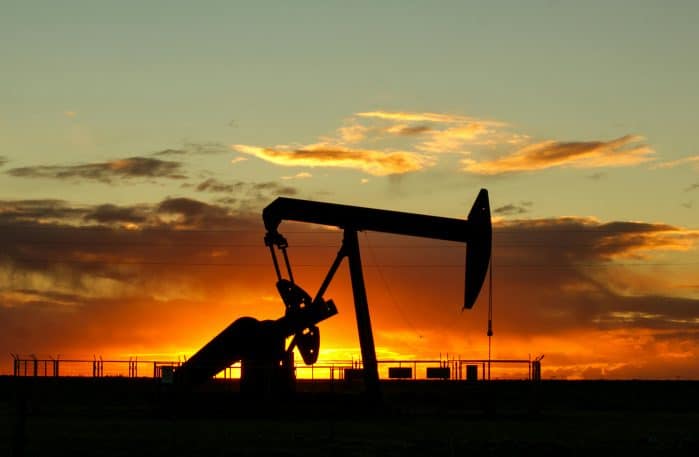
The sustained calm in U.S.-Iran relations has provided immediate relief to global markets, leading to a noticeable fall in oil prices. This reduction in geopolitical risk is effectively stripping away the volatility premium that has been driving energy markets upward.
As tensions remain low for the fourth consecutive night, the likelihood of sudden price spikes has diminished significantly. This stabilization offers a window for market participants to reassess macroeconomic trends without the immediate threat of conflict-driven supply disruptions.
The sustained calm in U.S.-Iran relations reduces geopolitical risks, stabilizing oil markets and lowering the likelihood of price spikes. As the immediate threat of escalation fades, the energy sector is seeing a shift toward market stabilization, providing a reprieve from the recent volatility caused by Middle Eastern tensions.
This is a summarized and adapted version by Artificial Intelligence. To read the complete original story, visit the official source.
Read Full Article at Crypto BriefingSupport Jornal Bitcoin
Independent journalism, curated by AI, no clickbait. Keep the flame alive with any amount of BTC.
jonata@walletofsatoshi.comDaily Crypto Brief 📬
Subscribe to receive the curation of the most important Bitcoin and crypto news, summarized by AI. No spam.
Join more than 10,000 smart readers.
Related News

Crisis Escalates: Iran Executes Three Protesters in Isfahan Amid Widespread Unrest
These executions are expected to intensify domestic unrest and trigger heightened international scrutiny from global powers. Such geopolitical pressure could serve as a catalyst, potentially accelerating major political shifts within Iran's leadership as the nation faces unprecedented internal and external tension.

Oil Prices Slump as Geopolitical Tensions Ease: Will the Fed Pivot?
The perceived pause in the US-Israel-Iran conflict is the primary driver behind this market shift, directly impacting how the Federal Reserve (Fed) might approach future interest rate decisions. As geopolitical tensions fluctuate, the correlation between commodity prices and central bank policy remains a critical focal point for market stability.
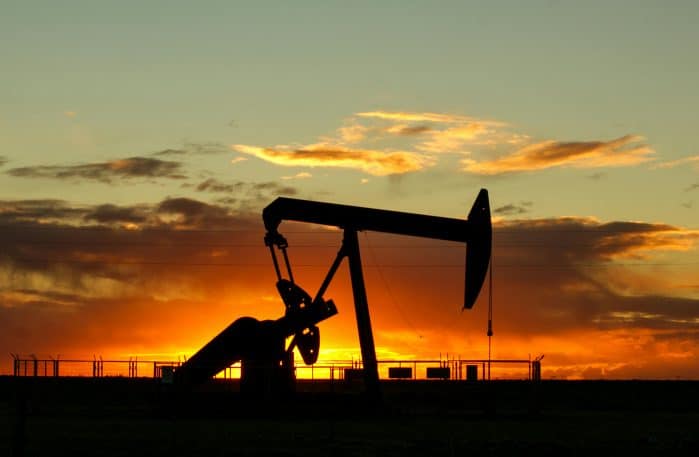
Brent Oil Drops 1%: EV Adoption and Impending Surplus Threaten Energy Markets
This decline serves as a critical indicator of the broader energy transition, where the rise of electric vehicles directly challenges long-term fossil fuel demand. As the market faces a potential surplus, the interplay between decarbonization efforts and supply chain stability will become a primary driver for global economic volatility.
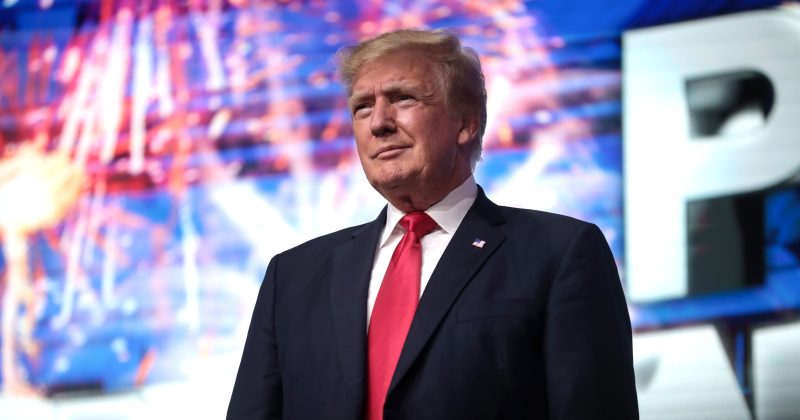
Gold Holds Gains as Trump's Optimism on US-Iran Talks Stabilizes Markets
This trend reinforces the critical role of gold as a premier hedge against geopolitical and economic uncertainties. As investors weigh the implications of potential diplomatic breakthroughs, the metal continues to serve as a vital safeguard for capital in an unpredictable global landscape.

Anthropic CEO Rejects Open-Weight AI Ban Amid Escalating U.S.-China Tensions
The clash between AI regulation and technological freedom is intensifying within the context of the U.S.-China competition. By advocating for open-weight models, Anthropic highlights a critical dilemma: how to balance security concerns with the need for transparent, decentralized artificial intelligence development in a fractured geopolitical landscape.
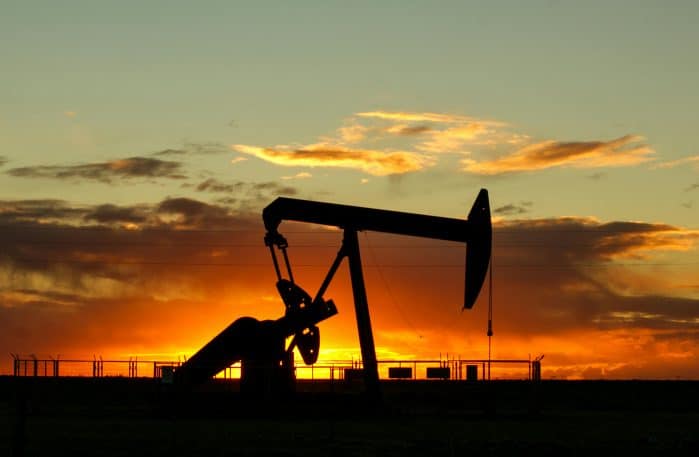
Oil Prices Slump as US-Iran Talks Signal Easing Geopolitical Tensions
As tensions ease, the market is recalibrating its long-term outlook. The shift in market dynamics is expected to heavily influence future price expectations, potentially moving the global economy away from the uncertainty driven by Middle Eastern instability.
