The Daily Hodl

Flagstar Bank To Pay $31.5 Million To Settle Class Action Lawsuit Over Data Breach

August 7, 202611:30 AM
Flagstar Bank To Pay $31.5 Million To Settle Class Action Lawsuit Over Data Breach

Flagstar Bank has agreed to pay $31.5 million to settle a class action lawsuit stemming from 2021 data breaches that exposed personal information of over 2 million customers. The settlement represents one of the largest payments related to data breaches in the American banking sector in recent years. The data breach occurred in 2021 and affected customers nationwide, leading to significant concerns about information security and privacy. The settlement sets an important precedent for holding financial institutions accountable for security failures, while affected customers will be eligible for financial compensation. This case highlights the increasing regulatory pressure and increasingly severe financial consequences for companies that fail to adequately protect consumer data.

This is a summarized and adapted version by Artificial Intelligence. To read the complete original story, visit the official source.

Read Full Article at The Daily Hodl
QR Code Lightning

Support Jornal Bitcoin

Independent journalism, curated by AI, no clickbait. Keep the flame alive with any amount of BTC.

Wallet of Satoshi
jonata@walletofsatoshi.com

Daily Crypto Brief 📬

Subscribe to receive the curation of the most important Bitcoin and crypto news, summarized by AI. No spam.

Join more than 10,000 smart readers.

Related News

Searching your Bitcoin wallet exposes your IP to Chainalysis
CryptoSlate★ Featured

Searching your Bitcoin wallet exposes your IP to Chainalysis

An investigation reveals that searching your Bitcoin wallet can expose your IP address to Chainalysis, one of the leading blockchain analytics firms. WalletExplorer has documented IP-plus-URL logging within Chainalysis' system, raising serious privacy concerns for cryptocurrency users. Meanwhile, other major blockchain services disclose sharply different linkage, retention, and access rules. This discovery highlights the tracking vulnerabilities within the Bitcoin network and how blockchain analysis can compromise user pseudonymity. Crypto investors and enthusiasts need to be aware of these risks when interacting with blockchain explorers.
SEC Bought a Billion Airline Records to Track Travelers—Likely Without a Warrant
Decrypt

SEC Bought a Billion Airline Records to Track Travelers—Likely Without a Warrant

The U.S. Securities and Exchange Commission (SEC) has subscribed to a global flight database covering more than one billion tickets to monitor traveler activity. The financial regulator is accessing travel data on a massive scale, raising serious concerns about privacy and government surveillance.

This large-scale surveillance comes amid growing debates about government agencies' use of personal data, particularly in the crypto sector. The SEC, known for its tough stance on cryptocurrencies, may be expanding its investigation methods beyond traditional approaches, using travel data to track suspicious financial movements without warrants, representing a concerning frontier in digital privacy.
How a Crypto Startup Quietly Siphoned 470,000 Binance Users to Build a $4 Billion Card Empire
CryptoSlate★ Featured

How a Crypto Startup Quietly Siphoned 470,000 Binance Users to Build a $4 Billion Card Empire

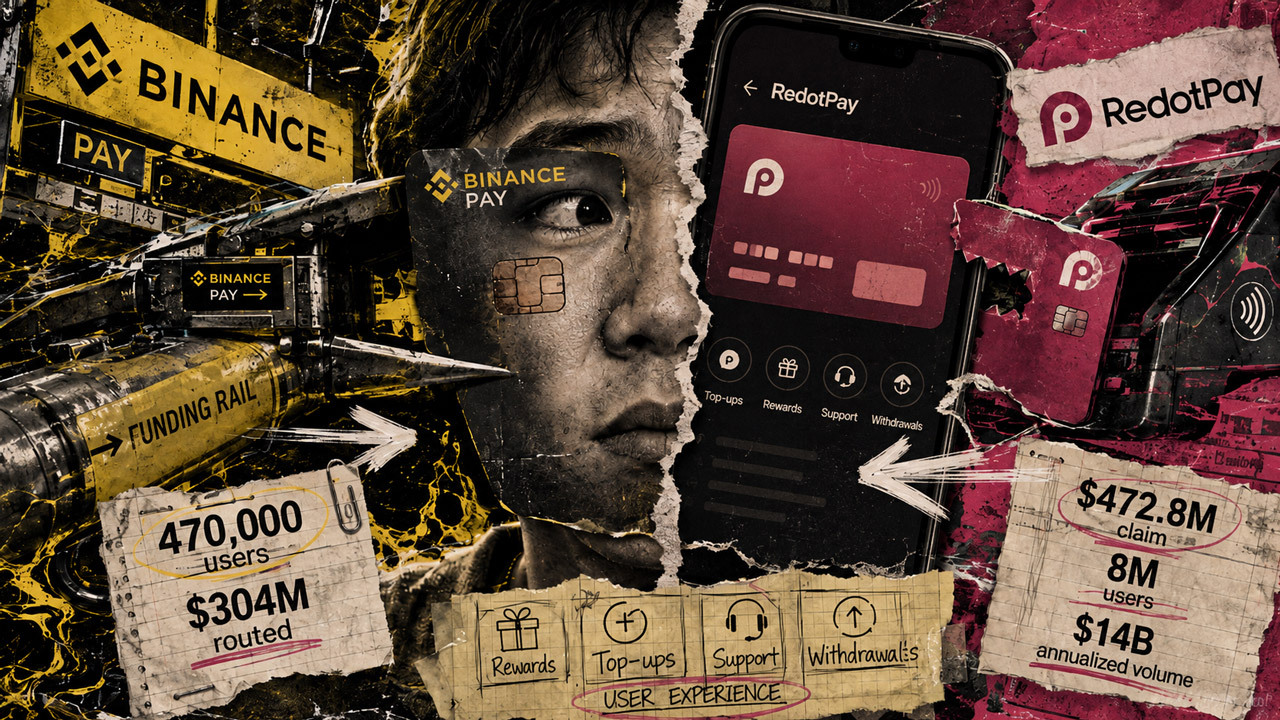
Crypto startup RedotPay finds itself at the center of a legal battle with Binance, accused of quietly siphoning over 470,000 Binance Card users to its own competing stablecoin card. The crypto giant alleges $472.8 million in losses, based on an estimated $925 lifetime value per customer, and is seeking legal remedy in Hong Kong against RedotPay's founders.

This case highlights the complexities of the cryptocurrency ecosystem and potential pitfalls in partnership agreements. Binance, one of the world's largest crypto exchanges, now faces the challenge of protecting its user base while fighting to recover what it considers significant damages. The situation raises questions about crypto fintech regulation and customer data protection in an industry still in its development stages.

Louisiana Fraudster Masterminds Bank Fraud and Mail Theft Scheme, Drains $300,000 From Victims
The Daily Hodl

Louisiana Fraudster Masterminds Bank Fraud and Mail Theft Scheme, Drains $300,000 From Victims

Federal authorities have sentenced Marvell Trevenski Jackson Jr., 26, of Baton Rouge, to four years in prison after he orchestrated a sophisticated bank fraud and mail theft scheme that drained $300,000 from victims. The criminal pleaded guilty to conspiracy to commit bank fraud and theft of mail, highlighting the ongoing battle between law enforcement and financial criminals targeting both traditional and crypto sectors.

This case underscores the persistent threats of financial fraud and identity theft despite enhanced security measures. The Department of Justice's investigation reinforces the critical need for robust data protection and financial literacy to prevent victims from falling prey to criminal schemes. The incident serves as a stark reminder for financial institutions and customers alike about implementing comprehensive security protocols against both cyber and physical threats.

Eliza Labs Founder Declares ELIZAOS Token 'Dead' After Lawsuit

Bitcoin.com

Eliza Labs Founder Declares ELIZAOS Token 'Dead' After Lawsuit

Shaw Walters, founder of Eliza Labs, has officially declared the ELIZAOS token "dead" following a class-action settlement that depleted the project's treasury, marking the end of one of the largest AI-agent cryptocurrency stories of the past two years. Walters' declaration, made in a lengthy post on X on August 4, signals the premature end of a project that promised to revolutionize the interaction between artificial intelligence and blockchain. The legal case represents an important precedent for the cryptocurrency sector, highlighting the legal risks faced by decentralized AI projects and the importance of regulatory compliance in the crypto ecosystem.
The AI Gold Rush: How Artificial Intelligence Is Invading the Human Mind
Brave New Coin★ Featured

The AI Gold Rush: How Artificial Intelligence Is Invading the Human Mind

The artificial intelligence race is entering a new frontier as tech giants like Google DeepMind and former OpenAI researchers set their sights directly on the human mind. Demis Hassabis, head of Google DeepMind, is stepping away from daily operations to focus on Artificial General Intelligence (AGI) and disease cures, while a former OpenAI researcher has joined a startup promising non-invasive "telepathy." This new wave of AI is moving beyond simple chatbots into far more valuable territory like biology, cognition, and human intent.

This transition represents a paradigm shift in AI development, moving from superficial applications to brain-machine interfaces and revolutionary medical treatments. The market potential is enormous, with billions flowing to neurotechnology and biomedical AI startups. Meanwhile, ethical challenges intensify, raising questions about mental privacy, consent, and the future of human interaction in a world where machines can read and influence thoughts.

Jornal Bitcoin Logo